

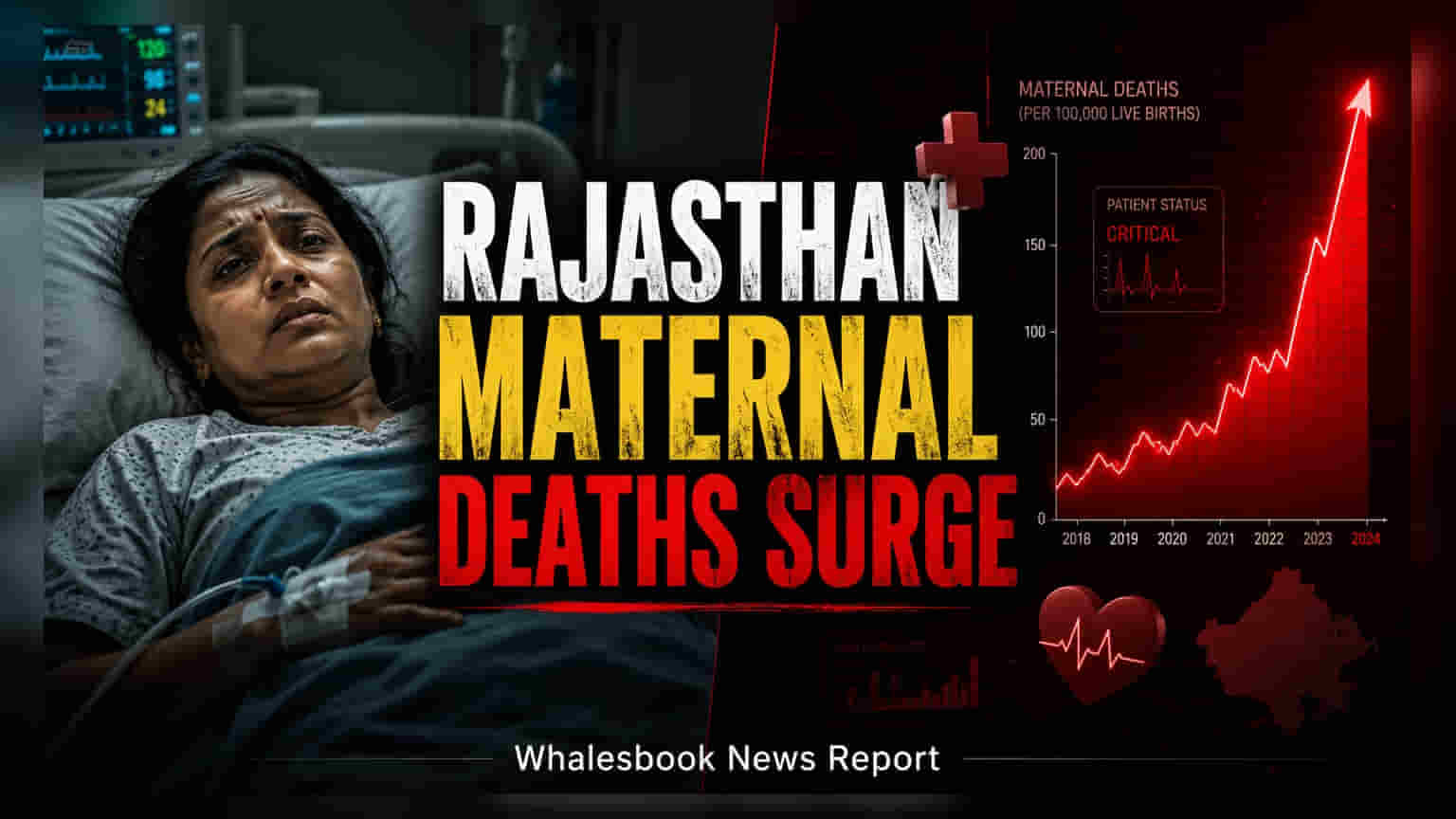
Rajasthan has initiated a five-day emergency screening campaign for pregnant women following a rise in maternal fatalities at Bikaner's PBM Hospital. The state recorded 19 maternal deaths in three months, with authorities specifically investigating post-delivery complications at the facility. This public health intervention aims to improve prenatal monitoring and address concerns regarding maternal care standards in government institutions.
The Rajasthan government has launched an urgent, five-day statewide screening campaign for pregnant women effective Wednesday, following a concerning increase in maternal deaths across the state. This initiative comes after PBM Hospital in Bikaner reported 19 maternal deaths within the last three months, including three recent fatalities linked to complications following Caesarean sections. The state health department aims to implement rigorous antenatal screening and continuous monitoring of vital health indicators to prevent further loss of life.
Crisis at PBM Hospital Bikaner
Recent reports from PBM Hospital indicate that six women experienced severe medical complications shortly after delivering their babies, with half of those cases resulting in death. Among the recent casualties was a 25-year-old patient who passed away following multiple organ failure after her Caesarean delivery. Hospital records noted that the patient had a history of previous Caesarean surgeries, which often increases the risk of complications during subsequent procedures. According to hospital administration, similar patterns of post-surgery health deterioration, specifically the sudden cessation of urine output, were observed in three recent maternal fatalities at the facility.
Statewide Healthcare Response
The medical situation in Rajasthan has drawn significant attention from health authorities. Data indicates that maternal mortality cases are distributed across several districts, with nine deaths reported in Bhilwara and Banswara, five in Kota, three in Bikaner, and two in Jodhpur. In response to these figures, Principal Secretary of Medical and Health, Gayatri Rathore, confirmed that the new health campaign will focus on identifying high-risk pregnancies through comprehensive screenings. This effort is designed to standardize healthcare protocols and enhance monitoring capabilities in district-level hospitals.
Investor and Sector Context
While this event is primarily a public health concern, it highlights the ongoing challenges in regional healthcare infrastructure and quality control. For the broader healthcare sector in India, this underlines the importance of hospital accreditation standards and the necessity of robust postoperative care protocols. Increased government scrutiny and potential policy shifts toward mandatory screening programs could influence operational procedures for public and private healthcare providers in the region. Investors and stakeholders in the healthcare space typically monitor such developments as they can lead to tightened regulatory oversight, increased requirements for advanced medical equipment, and potential shifts in government budget allocation toward maternal and child health programs. The effectiveness of the current screening drive and subsequent health department reports on hospital protocols will be the next important updates to track.