

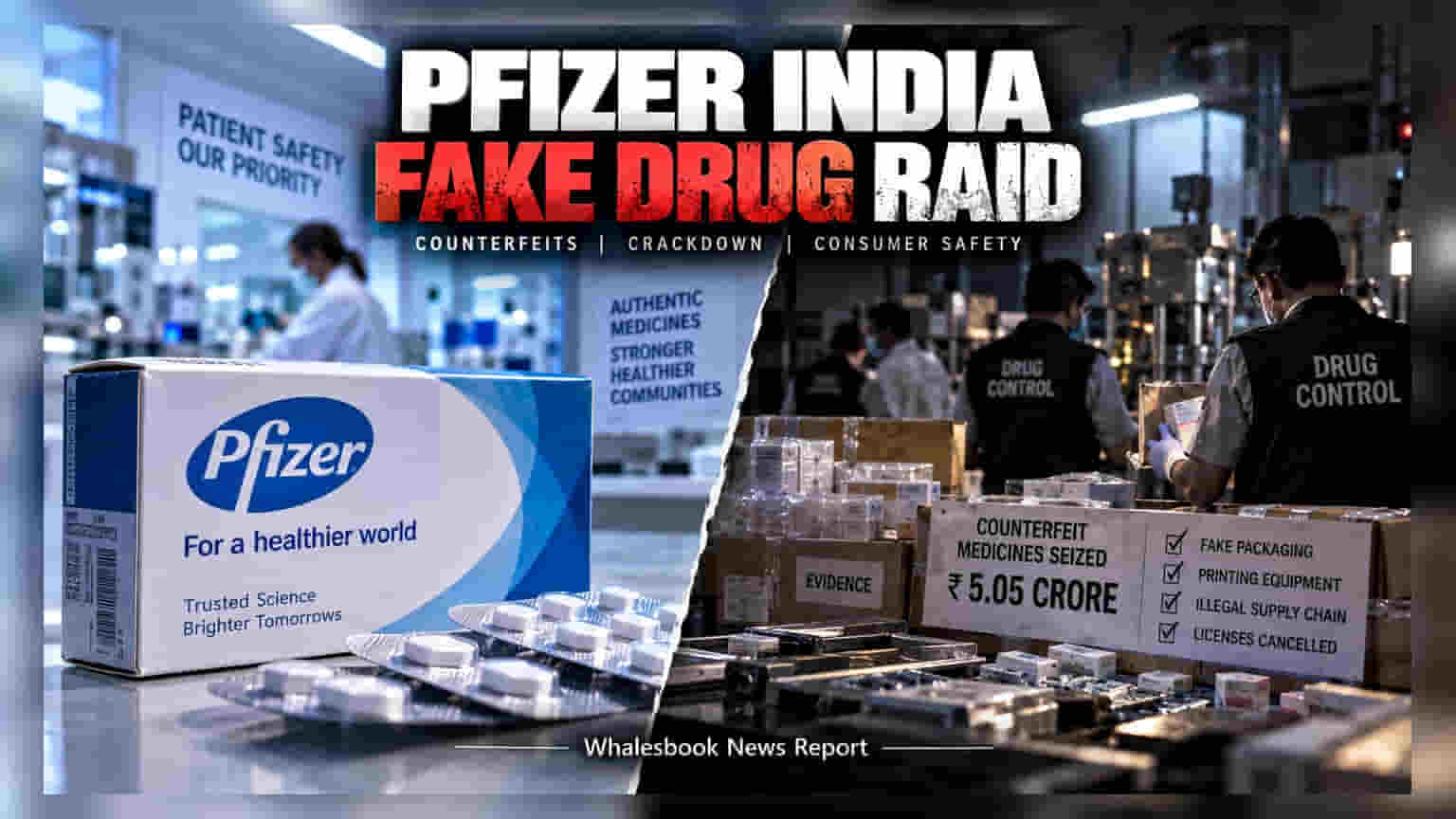
Pfizer India is cooperating with the Karnataka Food and Drug Administration after authorities busted a counterfeit drug ring in Bengaluru and seized goods worth Rs 5.05 crore. With 16 retail and wholesale licenses cancelled, the incident highlights supply chain risks for major pharma firms. Investors may monitor potential brand impact and further regulatory action regarding distribution security.
Pfizer India is working closely with the Karnataka Food and Drug Administration following the discovery of an illegal operation in Bengaluru that manufactured and distributed counterfeit versions of the company's medication. The state regulatory body recently raided an unlicensed facility in Kurubarakeranahalli, leading to the seizure of machinery, printing equipment, and fake drug inventory valued at approximately Rs 5.05 crore.
The regulatory crackdown was severe, with the Karnataka FDA canceling the licenses of 16 retail and wholesale entities and suspending eight others involved in the supply chain breach. Investigators found that the illegal network was purchasing inexpensive generic medicines from other states and relabeling them to mimic high-value Pfizer products. This practice not only poses a significant health risk to consumers but also threatens the brand equity of major pharmaceutical companies.
In response to the discovery, Pfizer India has proactively initiated a withdrawal of the affected batches from the market. The company confirmed it is providing technical assistance and data to the authorities to help trace the network of distributors that facilitated these counterfeit sales. While the company stated that protecting the integrity of the healthcare system is its primary objective, the incident underscores the vulnerability of pharmaceutical distribution networks to illicit practices.
For investors, the primary concern in such incidents is not typically the immediate financial loss, but the potential for long-term reputational damage. Large pharmaceutical firms, which often trade at premium valuations, rely heavily on consumer and doctor trust. When counterfeit goods enter the supply chain, it can create confusion among patients and healthcare providers.
This incident also reflects a broader sector challenge where the complexity of pharmaceutical distribution in India can create gaps that bad actors exploit. Companies are increasingly investing in anti-counterfeiting technology, such as blockchain tracking or specialized packaging, to secure their supply chains.
Moving forward, stakeholders will be looking for updates on whether regulatory agencies in other states launch similar investigations to check for a wider network. Investors may also want to monitor the company’s future updates on its supply chain security measures and any further regulatory actions that could affect its distribution partners. The investigation remains ongoing under the provisions of the Drugs and Cosmetics Act.