 Whalesbook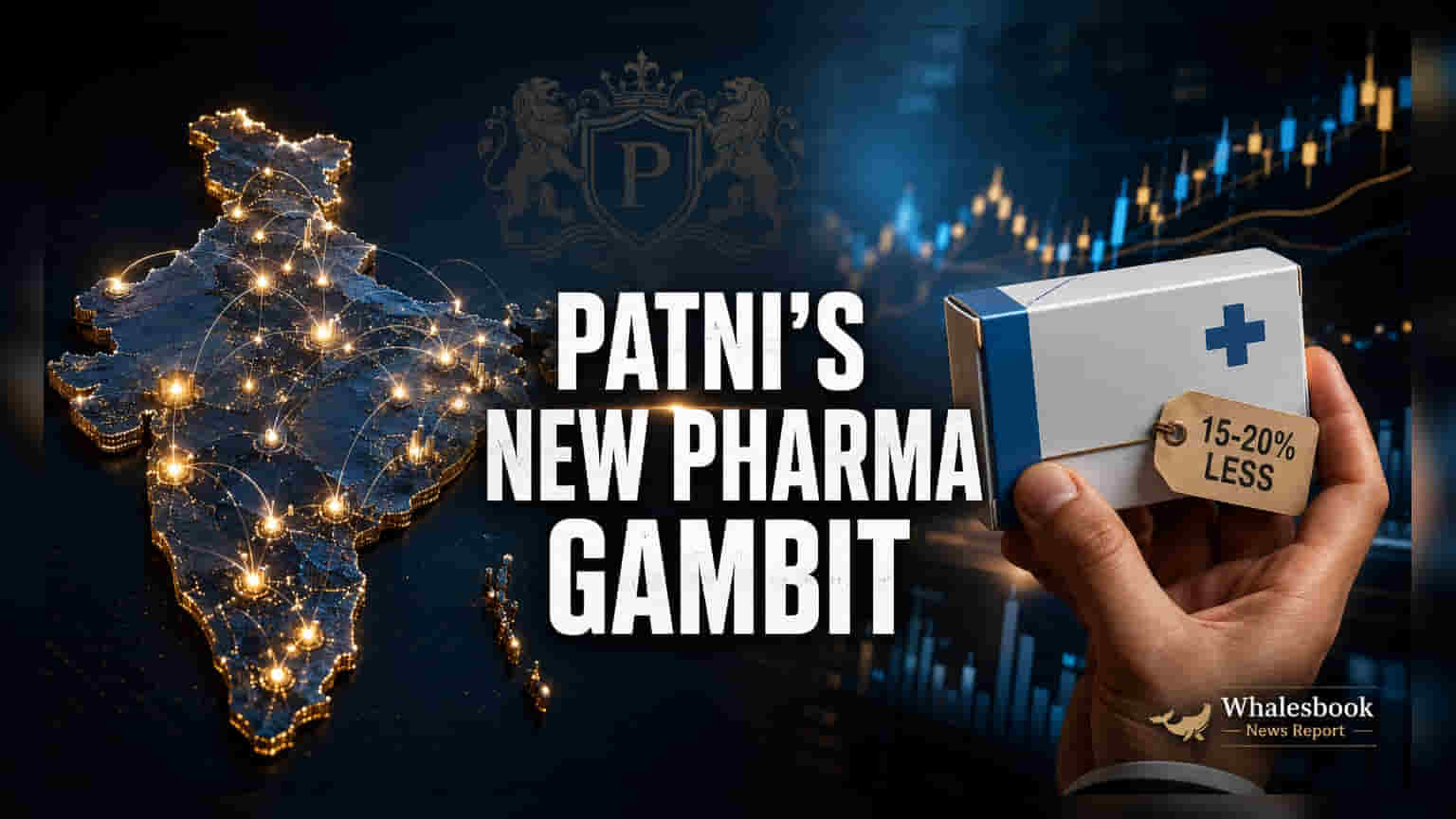


The Strategic Pivot
Raay Neo Pharma represents a significant evolution for Amit Patni, transitioning from his background in IT legacy and financial investments to the operational rigors of the pharmaceutical industry. Unlike traditional family-led ventures that often rely on aggressive inorganic acquisitions, this enterprise is utilizing a greenfield approach. By leveraging a lean, scalable framework, the company aims to capitalize on the increasing formalization of healthcare in India’s smaller urban centers. The venture currently manages a portfolio of over 90 formulations, covering critical therapy areas such as cardiology, diabetes, respiratory care, and gastroenterology, and has already mobilized a substantial field force across 11 states.
The Competitive Math
Operating in the Indian pharmaceutical sector requires navigating a market defined by intense competition and low-margin pressures. While Raay Neo Pharma seeks to offer medicines at a 15–20% price discount to incumbents, it enters a mature market where leaders like Sun Pharma and Mankind Pharma hold dominant positions through entrenched distribution networks and deep-rooted doctor relationships. Sun Pharma, as the industry leader, leverages extensive scale, high-margin specialty products, and a global manufacturing footprint that generates industry-leading EBITDA margins. Conversely, Mankind Pharma’s growth is built upon aggressive branding and mass-market reach within the very Tier 2 and Tier 3 cities that Raay Neo identifies as its primary growth engine. The success of this new entrant depends heavily on whether its pricing strategy can overcome the brand loyalty and supply-chain efficiency established by these domestic giants.
Structural and Regulatory Risks
Any newcomer to the Indian pharmaceutical sector faces substantial hurdles, particularly regarding regulatory scrutiny and quality compliance. As India moves toward stricter data integrity standards and global quality audits, the reliance on third-party contract manufacturing—while effective for early-stage capital conservation—introduces quality control vulnerabilities. Furthermore, the industry is increasingly susceptible to frequent updates to the National List of Essential Medicines and the Drug Price Control Order. These regulatory mechanisms can compress margins unpredictably. Unlike established players with the internal R&D and manufacturing capabilities to absorb these shocks, a startup with limited operating history may find itself exposed to pricing volatility and supply-chain disruptions. The company’s goal to acquire a manufacturing facility within 18 months is a necessary step to mitigate these risks, but it introduces significant capital expenditure requirements that will test the firm’s liquidity and long-term financial discipline.
Future Outlook
Raay Neo Pharma’s five-year trajectory toward a ₹1,000 crore revenue milestone is ambitious. Success will hinge on its ability to scale its professional team, secure clinician trust, and maintain a consistent, high-quality supply chain as it expands into southern states and potential export markets. While the demographic tailwinds in India’s smaller cities support the demand for affordable generics, the company must effectively transition from a marketing-led startup to an operationally robust manufacturer to secure its place in an increasingly consolidated market.