

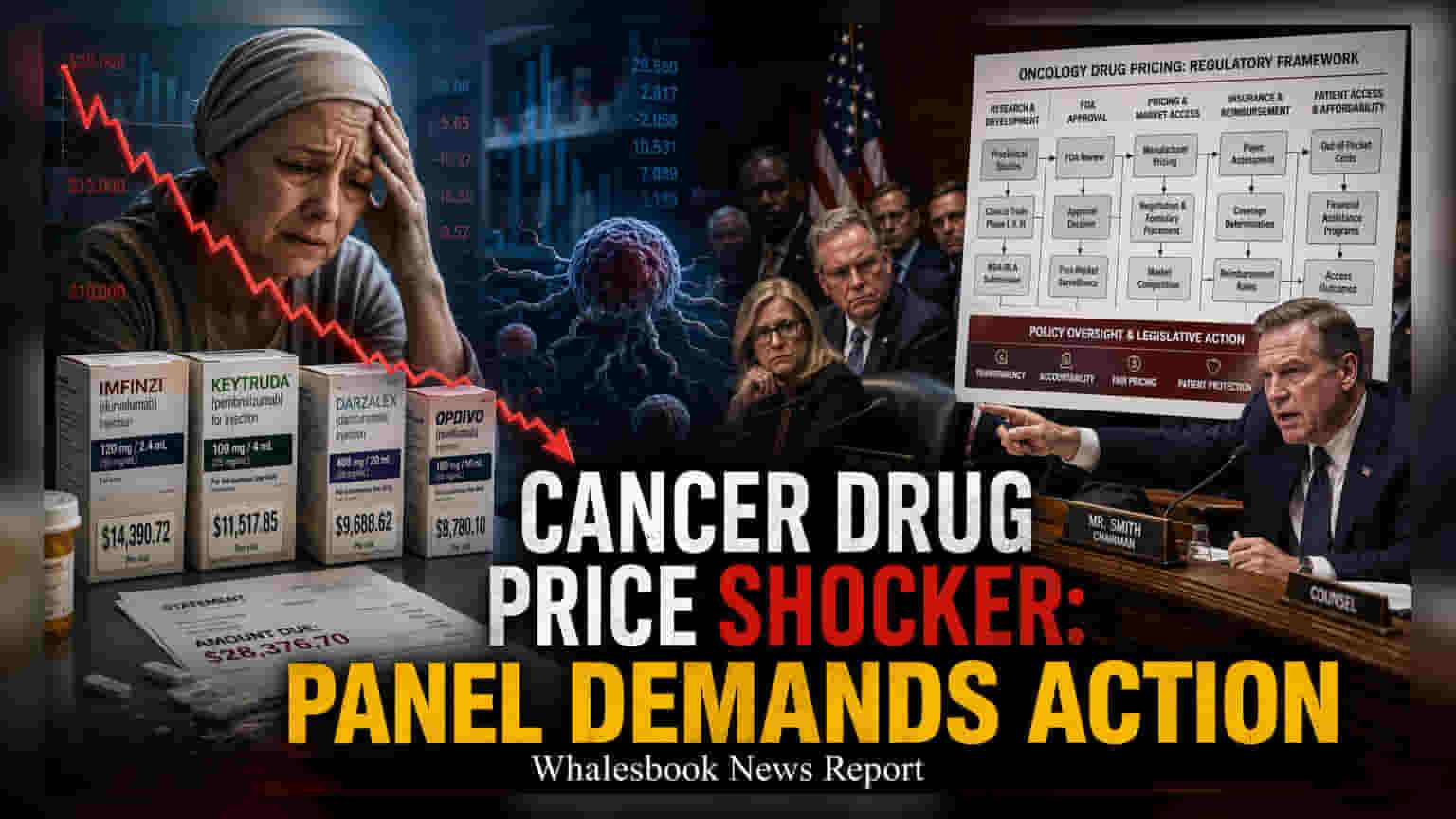
A parliamentary committee has urged the government to establish permanent trade margin caps on anti-cancer drugs, citing unaffordable treatment costs. The panel criticized the delay in creating a legal framework and requested stricter regulation of non-scheduled medicines to protect patients.
Detailed Coverage
A Parliamentary Standing Committee has expressed strong dissatisfaction with the central government’s pace in regulating the prices of life-saving anti-cancer medicines. The committee’s latest report stresses the need to move beyond temporary measures and establish a permanent legal framework for Trade Margin Rationalisation. This change would aim to limit the profits made by distributors and retailers, directly impacting the final retail price paid by patients.
The Move Toward Permanent Regulation
At the core of the issue is the Drugs (Prices Control) Order, 2013. The committee argues that relying on short-term, ad-hoc interventions is insufficient to manage costs in the long run. While the government successfully capped trade margins at 30% for 42 specific anti-cancer drugs in 2019—leading to reported annual patient savings of ₹984 crore—the panel believes this success should be institutionalized. The committee’s demand seeks a system that ensures transparency and consistent affordability across the pharmaceutical sector, rather than selective interventions.
Challenges in Implementation and Industry Concerns
The Department of Pharmaceuticals has faced difficulties in finalizing this permanent framework. Ongoing discussions with industry stakeholders have been complicated by concerns regarding the potential impact on small and medium-sized enterprises (MSMEs). Manufacturers have raised issues about how margin caps might affect their ability to sustain distribution networks, particularly for low-priced medicines. These conflicting priorities between industry viability and public health affordability have caused what the parliamentary panel described as an inordinate delay in implementing a formal policy.
Oversight of the Non-Scheduled Drug Market
A significant portion of the pharmaceutical market—approximately 82%—consists of non-scheduled medicines, which currently operate with limited price control. While manufacturers are permitted to set prices for these drugs, they are subject to a 10% annual price increase cap. The committee has pointedly requested detailed information regarding drugs that carry trade margins exceeding 100%.
By recommending that the National Pharmaceutical Pricing Authority (NPPA) be granted greater powers to monitor and regulate these margins, the committee is signaling a shift toward stricter oversight. The panel has also rejected claims that high logistics costs justify the price gaps often seen in trade generics, especially those distributed in rural areas. Investors and stakeholders in the pharmaceutical sector should closely follow the Department of Pharmaceuticals' upcoming responses, specifically regarding the timeline for the proposed amendments and how the government plans to balance manufacturer profit margins with the national goal of affordable healthcare.