

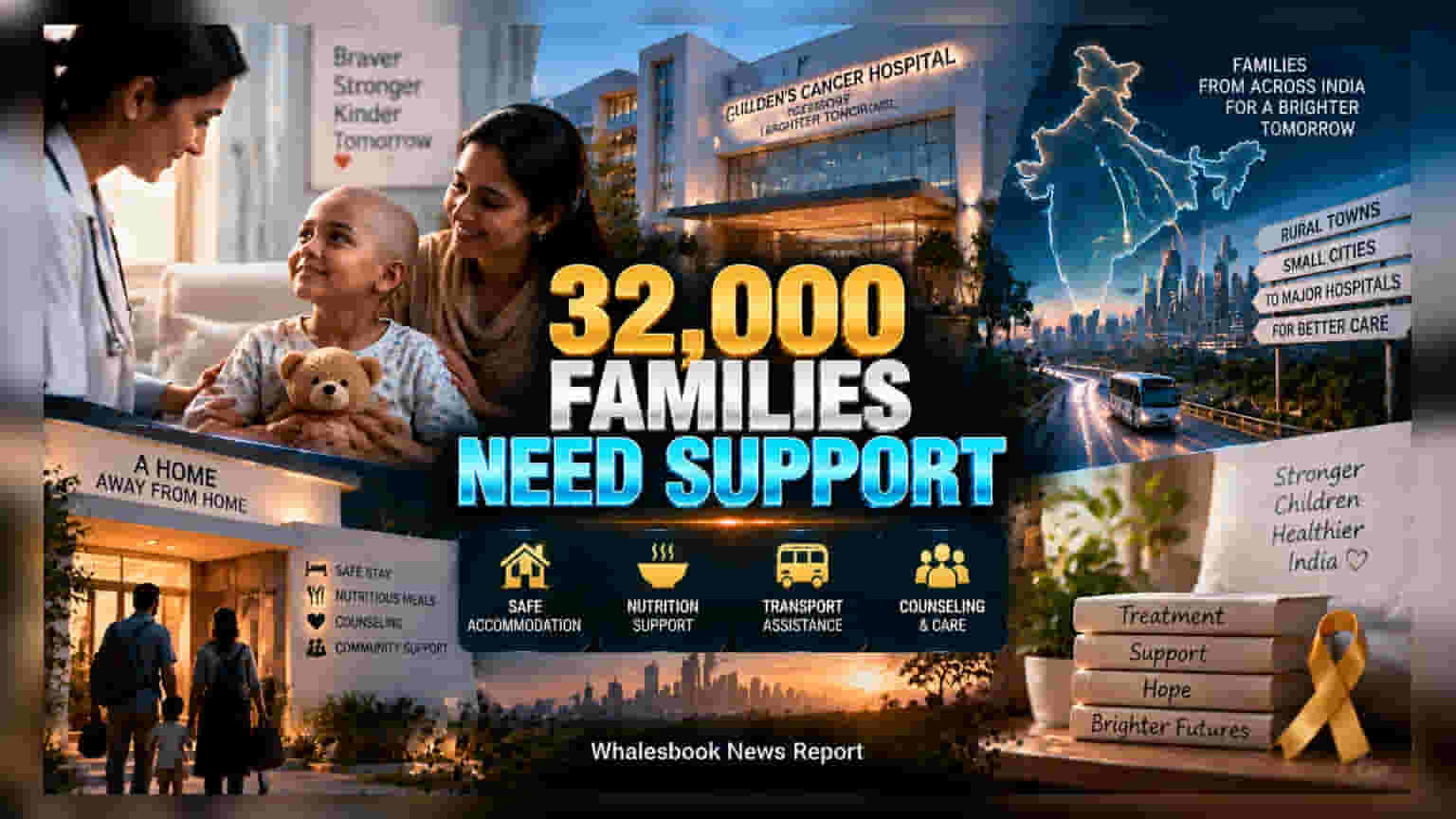
Every year, over 32,000 low-income families in India relocate to major cities for pediatric cancer treatment, facing severe shortages of affordable, safe accommodation. This logistical gap significantly impacts treatment continuity, with non-profit models and corporate-supported initiatives now playing a critical role in reducing dropout rates for young patients.
More than 32,000 low-income families travel to urban centres in India every year to seek life-saving cancer treatment for children. Because specialized pediatric oncology facilities are concentrated in a few major cities, families from rural areas and smaller towns are often forced to relocate for extended periods. This migration places immense pressure on household finances and daily logistics, as many struggle to find safe, affordable housing near hospitals.
The challenge goes beyond simple logistics. For children undergoing rigorous cancer therapies, a clean and supportive living environment is essential. Immunocompromised patients are highly susceptible to infections, meaning that staying in crowded, unhygienic, or unsafe conditions—such as near railway stations or in overcrowded lodges—can pose a significant risk to their recovery. When the strain of finding accommodation and food becomes overwhelming, many families are forced to discontinue treatment entirely.
Organizations like St. Jude India ChildCare Centres have introduced a residential support model to bridge this gap. By providing free “homes away from home,” these initiatives offer families safe lodging, nutrition, transport assistance, and counseling. This holistic approach focuses on removing non-medical barriers that often prevent families from completing the full course of treatment. The impact of such support is quantifiable; industry reports and hospital data indicate that concentrated support models have helped reduce treatment abandonment rates from over 30% to less than 5%.
While this is primarily a healthcare and social welfare challenge, it represents a significant area for Corporate Social Responsibility (CSR) in India. Numerous listed companies and healthcare firms now partner with, fund, or adopt residential centres to support pediatric cancer patients. For the broader healthcare ecosystem, these partnerships are vital, as they improve overall patient outcomes and ensure that specialized medical infrastructure is utilized effectively.
The next important monitorable for this sector will be the expansion of support infrastructure alongside medical capacity. As cancer treatment remains centralized in metropolitan areas, the focus for both public health policy and private-sector support will likely remain on reducing the non-medical costs of care. Ensuring that families have stable living conditions is as important as the clinical treatment itself in determining the long-term success of childhood cancer management in India.