 Whalesbook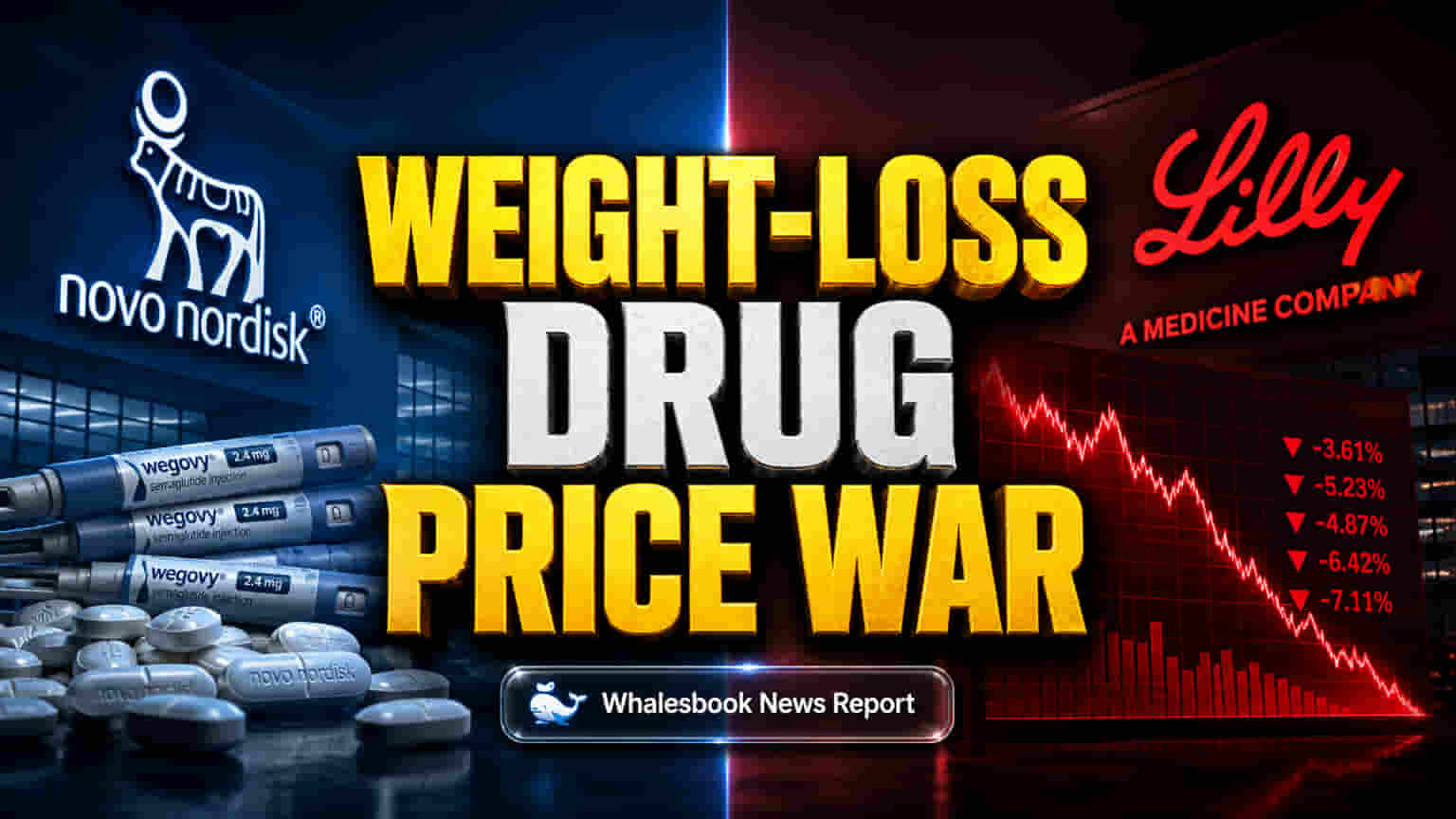


Demand vs. Dollars: The Profit Puzzle
Novo Nordisk reports first-quarter earnings on May 6, 2026, with investors keen to see if high prescription numbers translate into solid revenue growth. The company's new oral Wegovy pill has seen initial demand exceed forecasts, with nearly 721,000 U.S. prescriptions recorded in the first quarter. However, this volume surge is met with concern about pricing. Analysts point out that many prescriptions are for the cheaper starter dose, which could lower overall revenue. BMO Capital Markets estimated Q1 pill revenue might trail consensus by roughly 12%.
This revenue uncertainty stands out against how competitors are valued. Novo Nordisk shares trade at a P/E ratio of about 12.1x-12.6x, with a market value near $151.6 billion. This valuation follows a tough year, with its stock down 36.52% over the past 12 months. Rival Eli Lilly, however, boasts a P/E ratio of about 33.6x-34.7x and a market value over $910 billion. This higher valuation reflects strong investor belief in its future growth, helped by a 17.27% stock rise last year.
Eli Lilly Enters the Ring
Novo Nordisk's near-monopoly on oral obesity treatments ended in early April when the U.S. Food and Drug Administration approved Eli Lilly's Foundayo (orforglipron). This marks direct head-to-head competition, as Foundayo is promoted as a convenient, once-daily oral pill. Foundayo's lowest dose costs $149 a month for self-pay patients, similar to Wegovy's starter dose, immediately heating up the market competition. Eli Lilly's own strong Q1 results, fueled by its GLP-1 drugs Zepbound and Mounjaro, highlight the tough competition Novo Nordisk faces. The global GLP-1 market is expected to grow significantly, from an estimated $58 billion in 2026 to over $268 billion by 2030.
Concerns: Pricing, Patient Doses, and Past Setbacks
Despite high prescription volumes, several risks cloud Novo Nordisk's outlook. A key concern is a potential price war in the lucrative obesity drug market, which could cut profits even as sales volumes rise. Analysts warn that patients might stay on cheaper, lower doses longer than expected or stop treatment, hurting revenue despite strong initial prescription numbers. This follows a year where Novo Nordisk faced setbacks, including disappointing trial results for other drugs, leadership changes, and a sharp drop in market value, losing over $400 billion from its 2024 peak.
Adding to caution, Goldman Sachs recently downgraded the stock, setting a $41 price target — significantly lower than current levels — citing potential risks. Eli Lilly's Foundayo has faced 34 FDA adverse-event reports, including two serious cases of peripheral edema and liver failure. Lilly states no direct link has been confirmed. This situation fuels investor doubt about whether Novo Nordisk can shift from defense to offense, outmaneuver rivals, and navigate a competitive, price-sensitive market.
Analyst Views and Market Outlook
The GLP-1 market is set for rapid expansion, driven by rising rates of obesity and diabetes worldwide. Analysts are generally cautious on Novo Nordisk, with a consensus 'Hold' rating and price targets around $43, suggesting limited potential gains. Eli Lilly, in contrast, has stronger 'Buy' ratings and price targets averaging over $1,200, showing confidence in its pipeline and market position. Investors will watch Novo Nordisk's Q1 report for signs its new oral therapy can gain market share and achieve profitable growth amid tough competition and changing prices.