

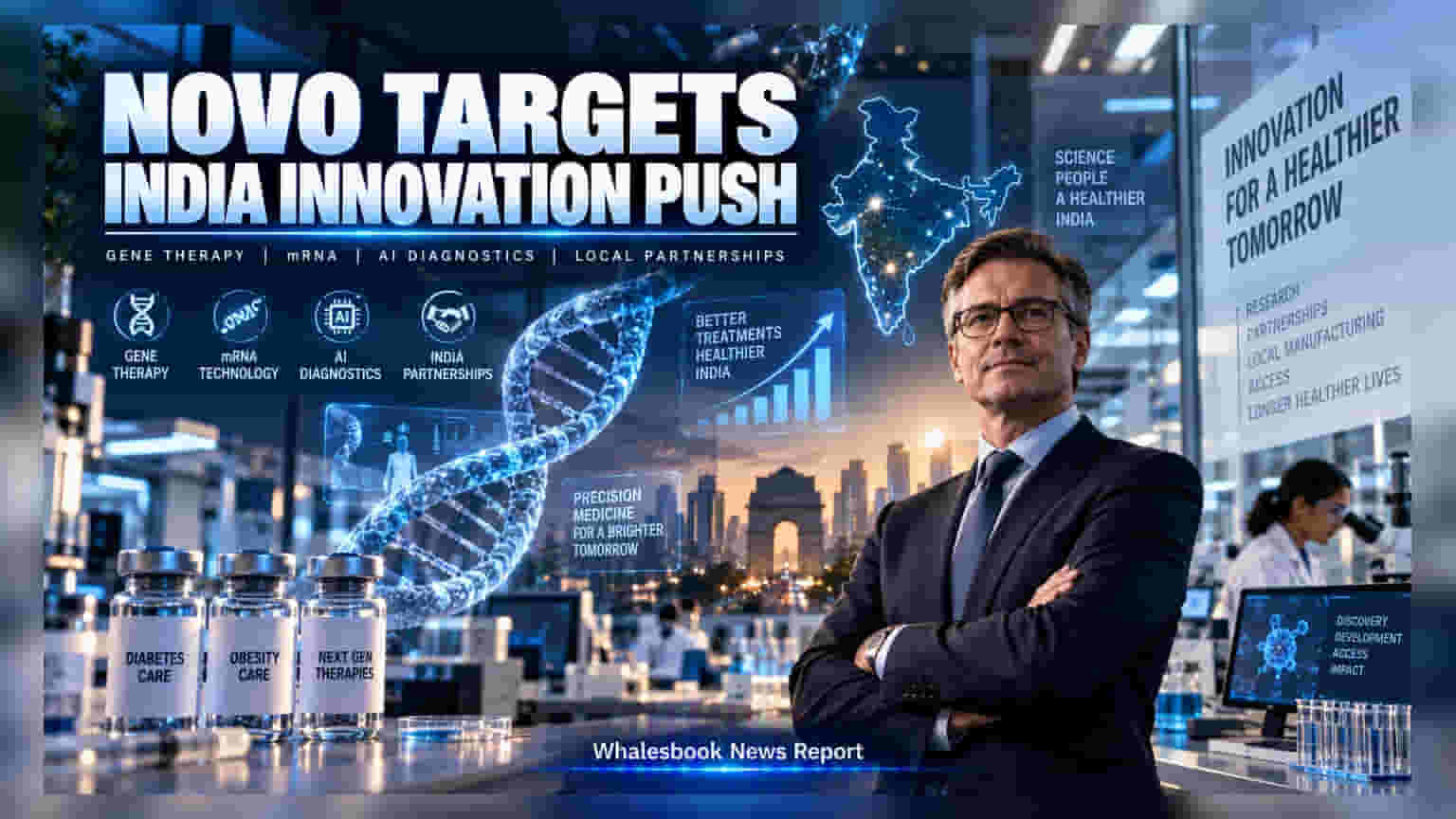
Novo Nordisk is shifting its India operations from traditional distribution to advanced R&D, focusing on gene therapy and mRNA technology. This pivot comes as the patent expiry of its blockbuster drug, semaglutide, triggers intense generic competition. The company aims to offset margin pressure by pursuing local manufacturing partnerships and AI-driven diagnostic tools to cater to the growing diabetes and obesity segment in the country.
Novo Nordisk, often referred to as Novo, is revamping its Indian business model to navigate a changing landscape marked by the patent expiry of its flagship semaglutide drug. The company is moving away from a primary focus on traditional pharmaceutical distribution toward a technology-heavy approach. This strategy includes active efforts to build local partnerships in gene therapy, mRNA technology, and AI-powered diagnostic tools to better serve the market for diabetes and obesity management.
The strategic pivot is a response to the intense competition from domestic Indian manufacturers following the expiry of the Indian patent for semaglutide, the key ingredient in the company’s popular Ozempic and Wegovy brands. With local generic players now entering the market, the company is facing significant price competition. In response, the leadership is steering the company toward precision medicine, aiming to offer personalized treatments that may allow it to differentiate its portfolio beyond mass-market products.
A key component of this plan is the 'India for India' strategy, which emphasizes building local manufacturing and development hubs. By fostering local partnerships, the company hopes to optimize its supply chain and manage costs in an environment where pricing is highly sensitive. The move is designed to make the company's advanced therapeutic solutions more accessible to a broader section of the Indian population while simultaneously reducing reliance on global supply networks.
For investors, the success of this transition depends heavily on the company's ability to execute these technology-focused partnerships. While the shift to precision medicine could potentially improve value, the company must also manage the pressure on profit margins caused by the influx of lower-cost generic alternatives. Managing the cost of new technology while competing with affordable generics will remain a delicate balance for the management team.
Looking ahead, investors may track the progress of these local collaborations and the company’s ability to gain regulatory approvals for its new high-tech initiatives. Additionally, market participants will monitor whether the company can maintain its competitive edge in the Indian diabetes and obesity segment against established local pharmaceutical companies that have already begun offering more affordable versions of similar treatments.