

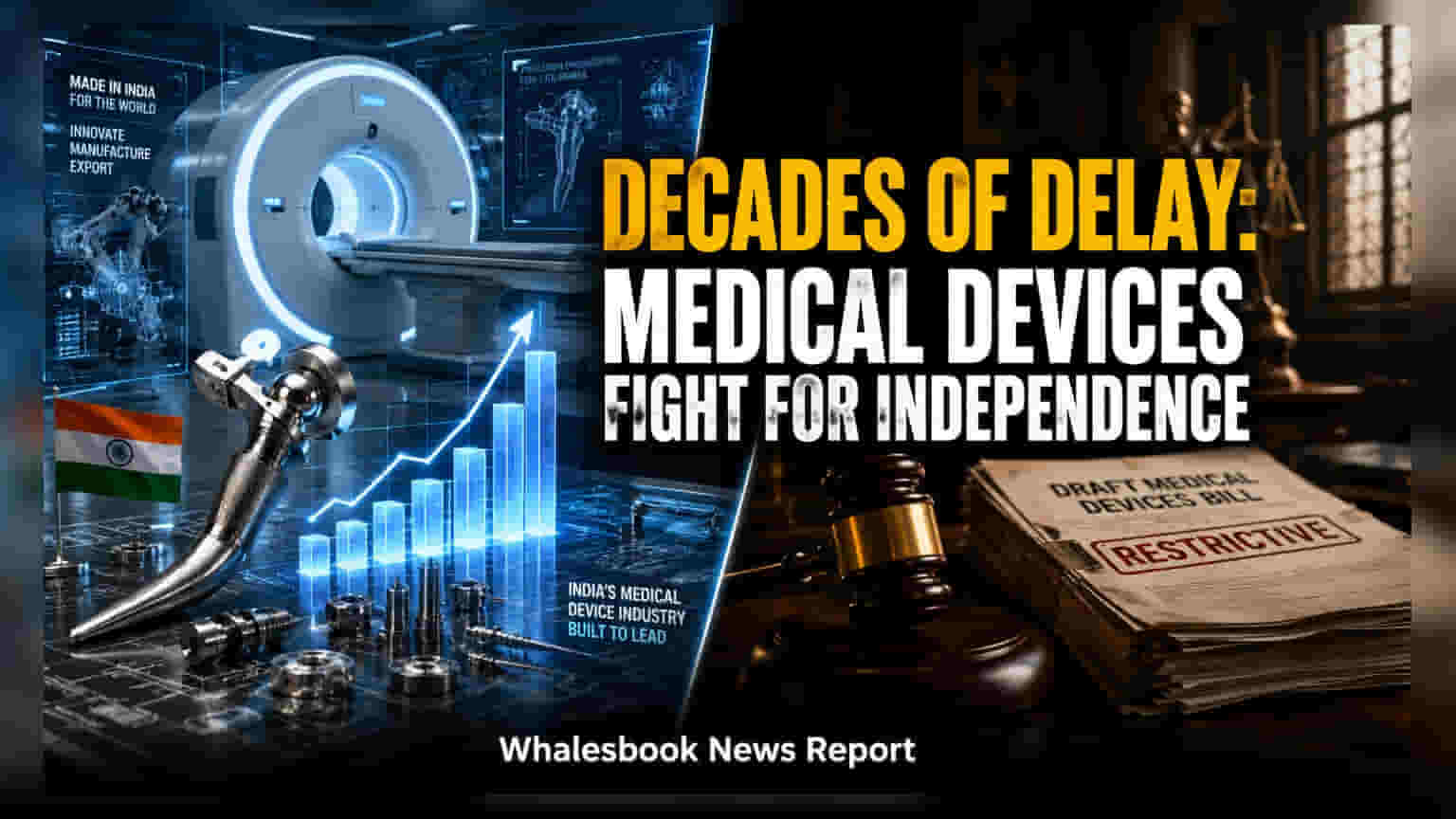
A coalition of medical device organizations has urged the government to establish an autonomous regulator, citing concerns that the proposed Drugs, Medical Devices & Cosmetics Bill, 2026, is too pharma-centric. The industry warns that treating minor technical engineering errors as criminal offenses could stifle investment and hinder domestic manufacturing growth.
A coalition representing the medical device industry has formally urged the Union Health Ministry to reconsider the framework of the proposed Drugs, Medical Devices & Cosmetics Bill, 2026. These organizations are calling for the establishment of a dedicated, autonomous regulatory authority for the sector, arguing that the current draft applies a pharmaceutical lens to engineering-based products.
Concerns Over Criminalization of Technical Lapses
The industry's primary objection lies in the punitive nature of the draft legislation. Representatives have highlighted that the bill adopts definitions and penalty structures designed for the pharmaceutical industry, where focus is often on chemical composition. For medical devices, the industry argues that the draft risks classifying minor technical or documentation errors—such as labeling mistakes or engineering deviations—as criminal offenses.
These provisions could potentially subject manufacturers to imprisonment ranging from one to seven years. The coalition contends that such a stance creates a climate of regulatory fear that discourages investment and innovation. In many global markets, which India aims to compete with, these types of administrative or technical lapses are typically handled through corrective measures rather than criminal proceedings.
Demand for a Dedicated Regulatory Authority
The medical device sector has long argued that its operations, safety standards, and innovation cycles are fundamentally different from those of the drug industry. By grouping these sectors under a unified regulatory umbrella, the industry fears that the unique needs of device manufacturing are overlooked. The proposed solution is a National Medical Devices Regulatory Authority with autonomy similar to existing bodies like the Telecom Regulatory Authority of India (TRAI) or the Insurance Regulatory and Development Authority of India (IRDAI).
Industry participants believe this specialized body is essential to achieving India's manufacturing targets. They argue that without a clear, engineering-aligned framework, the country’s goal to reduce import dependency and reach significant export milestones could be compromised. The coalition also noted that past parliamentary committee reports have previously recommended a separate law and department for this sector, emphasizing the need for modern, risk-proportionate regulations.
The Path Forward
The draft bill is currently in the stakeholder consultation phase, meaning its provisions are not yet final law. The industry is advocating for the formation of an expert committee that includes professionals from biomedical, engineering, and clinical backgrounds to review the legislation. The next critical development for investors and industry stakeholders will be whether the government incorporates these suggestions into the final version of the bill, specifically regarding the decriminalization of technical non-compliance and the potential for a separate regulatory structure. Investors may also track how the government balances safety oversight with the need to maintain an attractive environment for domestic and foreign manufacturing investment.