

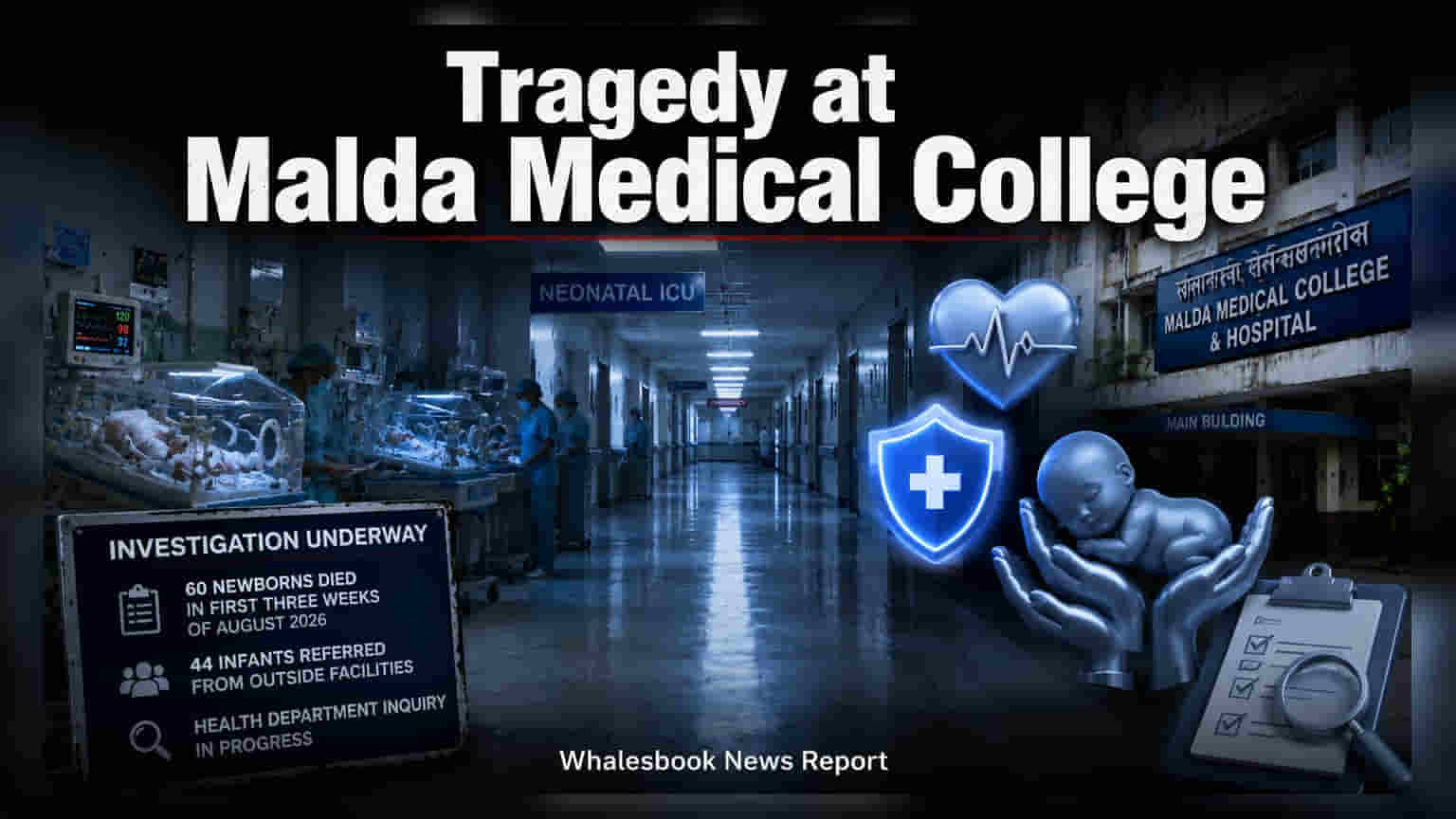
The West Bengal health department has launched a formal investigation into the deaths of 60 newborns at Malda Medical College and Hospital during August. While a spike of 10 deaths in one day drew concern, investigations reveal that a majority of the infants arrived in critical condition from outside facilities. The incident is highlighting significant pressure on public healthcare infrastructure and the effectiveness of the regional patient referral system.
The West Bengal health department has initiated a comprehensive inquiry into a series of neonatal deaths reported at the state-run Malda Medical College and Hospital. According to official reports, 60 newborns died at the facility during the first three weeks of August 2026. While the news gained attention following a specific report of 10 deaths occurring within a single day during the second week of the month, the total count reflects the cumulative mortality over the period.
Challenges in the Referral System
The medical administration at the hospital has highlighted that the facility serves as a primary high-acuity center for a large region, which often leaves it burdened by incoming cases. Data from the facility indicates that 44 of the 60 deceased infants were not born at the hospital. Instead, they were referred from various local government clinics or private nursing homes. Medical officials reported that these infants arrived at the hospital in critical condition, suffering from severe complications such as congenital heart defects, respiratory distress, and jaundice, which left the medical teams with limited time for intervention.
Regulatory and Infrastructure Scrutiny
The state government is now scrutinizing both the medical outcomes and the operational protocols regarding patient referrals. A major focus of the investigation is to understand why peripheral healthcare centers were unable to manage these cases, leading to a high volume of critical transfers to the central medical college. This pattern raises questions about the overall quality of emergency neonatal care in surrounding areas and whether the referral chain is functioning effectively to provide timely support to newborns.
For observers of the public healthcare sector, this event underscores the operational risks inherent in high-load public hospitals. The investigation is expected to provide a detailed audit of the medical records, triage processes, and resource allocation at the hospital. The health department has requested a comprehensive report to determine if there were lapses in care or if systemic issues in the regional healthcare network contributed to these outcomes. The findings will likely be used to evaluate whether current infrastructure, staff strength, and equipment at the referral center are sufficient to handle the volume of emergency cases being received from the broader district.