

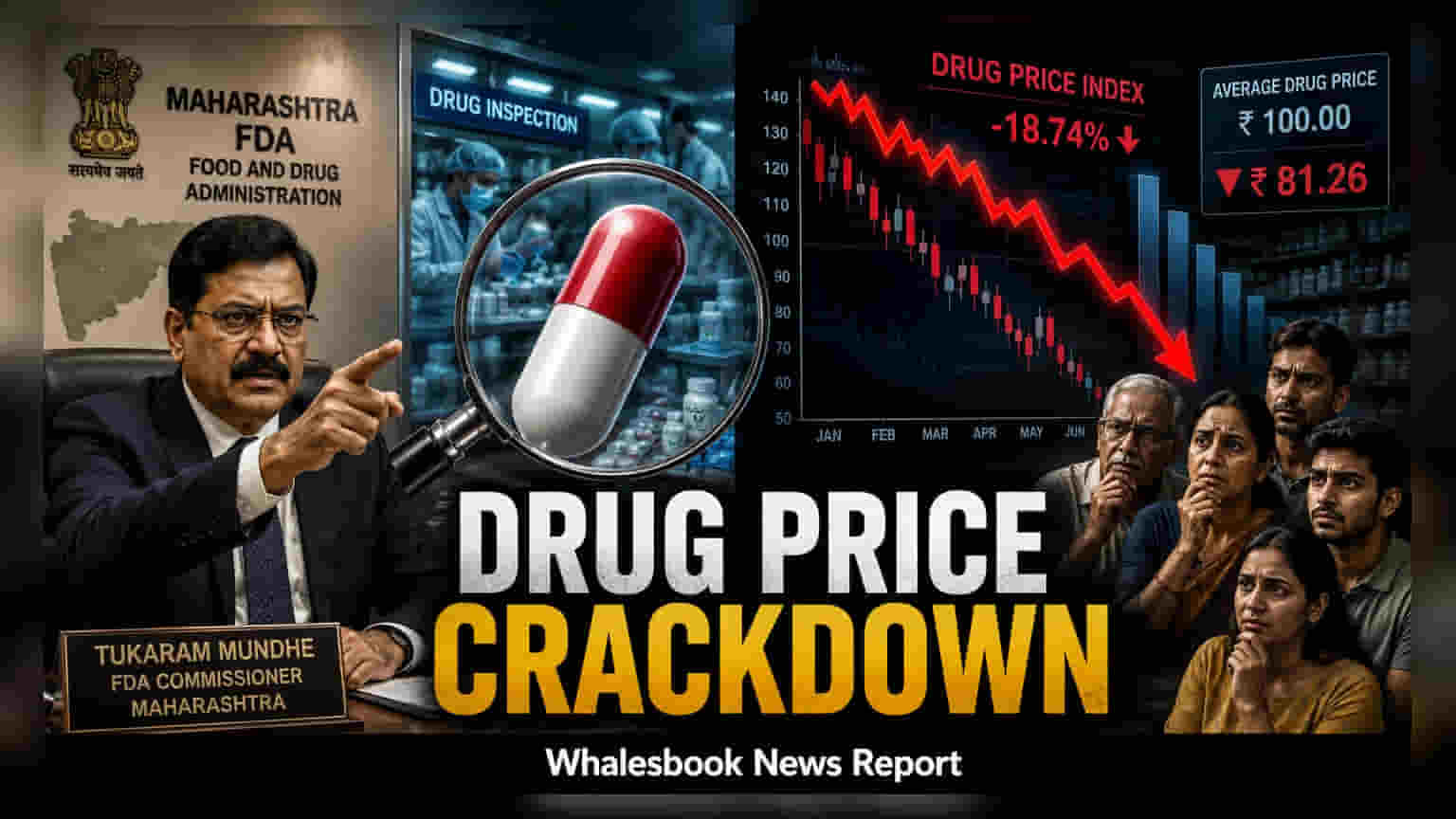
The Maharashtra Food and Drug Administration is moving to report companies charging excessive prices for medicines to the National Pharmaceutical Pricing Authority. This initiative aims to curb unethical pricing and ensure patients can buy drugs from any pharmacy, not just hospital outlets. Investors should monitor how these stricter compliance and audit measures impact margins for pharmaceutical manufacturers operating in the state.
The Maharashtra Food and Drug Administration has launched a focused effort to address high medicine prices, signaling potential pressure on pharmaceutical companies in the state. Commissioner Tukaram Mundhe confirmed that the agency is currently reviewing sales data to identify instances of excessive pricing. The administration plans to escalate these findings to the National Pharmaceutical Pricing Authority, the central regulator responsible for controlling drug prices across India. This development mirrors historical regulatory actions, such as those seen in the cardiac stent market, where price caps were implemented to protect consumers from high costs.
Stricter Manufacturing and Quality Controls
Beyond pricing concerns, the FDA is intensifying its oversight of drug manufacturing facilities. The regulator is pushing for stricter adherence to World Health Organization Good Manufacturing Practice standards. This includes more frequent audits, site surveys, and rigorous testing protocols to reduce the number of drugs failing quality standards. The agency is also focusing on supply chain integrity, with plans to implement Hazard Analysis and Critical Control Points systems, which monitor the entire production process to prevent safety risks. For pharmaceutical companies, these heightened quality expectations may lead to increased operational costs as they upgrade facilities and expand testing to comply with the state's proactive regulatory stance.
Shift in Pharmacy and Retail Regulations
Another significant area of enforcement involves patient choice at the point of sale. The FDA is actively penalizing hospitals that force patients to purchase medicines exclusively from their in-house pharmacies. Recent enforcement actions against facilities in major cities like Mumbai, Pune, Nagpur, and Solapur have been implemented to ensure patients maintain the freedom to choose their preferred pharmacy. This move could impact the business models of hospital chains that rely on high-margin revenue from captive in-house pharmacies. As the FDA continues to engage with industry associations to enforce these rules, the primary monitorable for investors will be whether these regulatory actions lead to sustained changes in pricing strategies or if they result in increased compliance costs for drug manufacturers and healthcare providers in Maharashtra.