

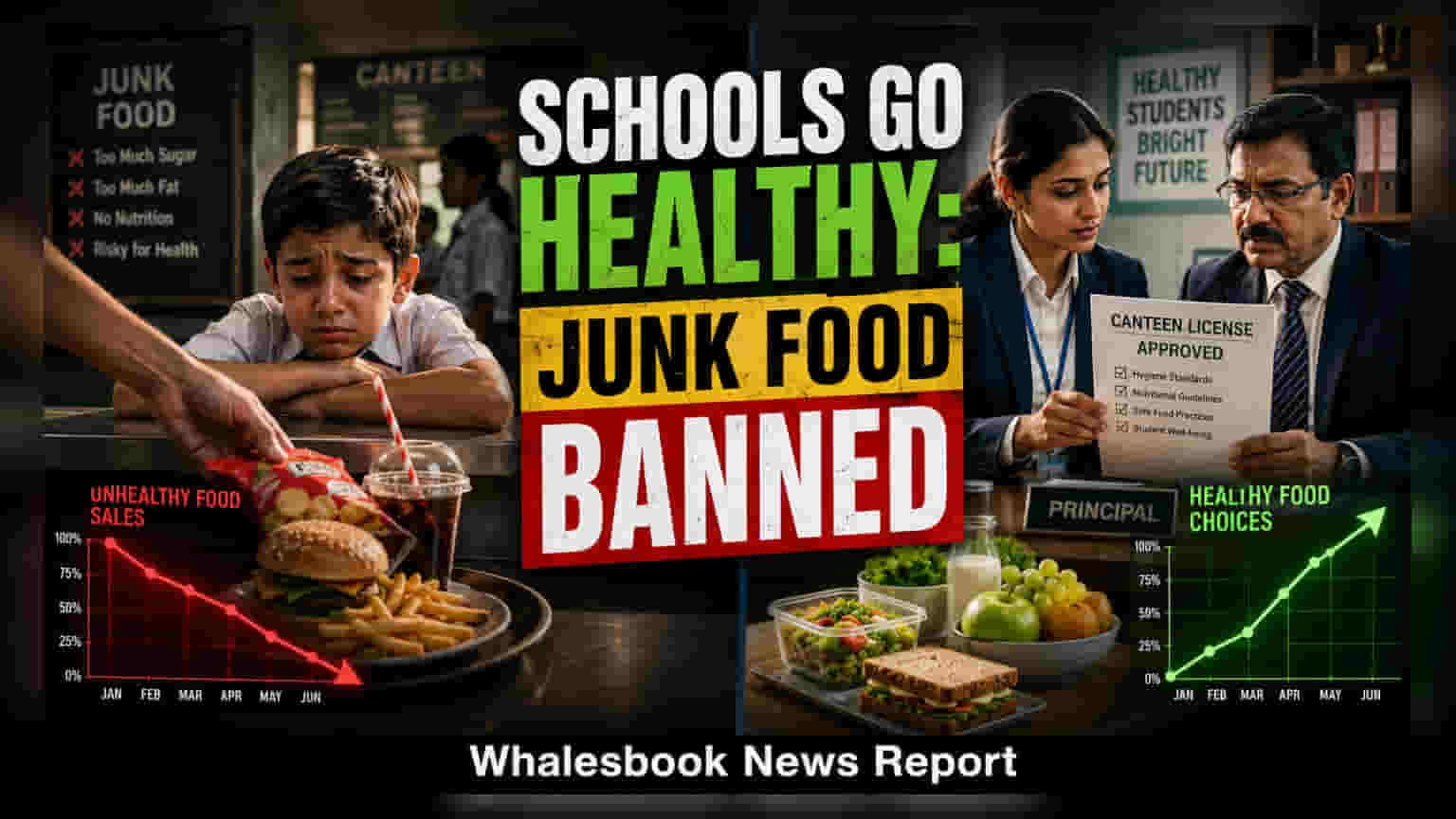
The Maharashtra FDA has prohibited the sale of high-sugar, salt, and fat foods within 50 meters of all schools. The new policy mandates strict canteen licensing to improve student nutrition. Schools that fail to comply with these safety standards face potential loss of affiliation, signaling a shift in operational requirements for educational institutions.
The Maharashtra Food and Drug Administration (FDA) has introduced a major regulatory change aimed at restricting student access to unhealthy food options. Under the new directive, the sale, advertisement, and free distribution of High Fat, Sugar, and Salt (HFSS) products are now prohibited within school premises and a 50-meter radius surrounding them. This order applies to all government and private schools across the state, affecting approximately two crore students.
New Licensing Requirements for Canteens
Beyond the food ban, the FDA has mandated that all school canteens must now operate under a formal license. Schools are required to either hire licensed vendors to manage their food services or obtain a direct license from the FDA if they manage the canteen themselves. This move is designed to bring school food services under closer regulatory scrutiny, ensuring that all providers adhere to food safety standards established by the Food Safety and Standards Regulations of 2021.
Compliance and Enforcement
FDA Commissioner Rajesh Narvekar Mundhe has stated that while the immediate priority is raising awareness among school administrations, the department will enforce strict compliance over time. To ensure these standards are met, the FDA plans to conduct mandatory inspections at each school at least twice every year.
The responsibility for implementation rests with school principals. The FDA has warned that failure to comply with these directives could lead to serious consequences, including formal recommendations to educational boards for the cancellation of school affiliations. For shops and vendors located within the 50-meter zone, the FDA has indicated it will take direct action against those found violating the prohibition on HFSS items, which includes products such as energy drinks, ice creams, and certain processed foods.
Impact on Food and Beverage Vendors
The policy shift creates a new operational environment for companies and small businesses that supply food items to school canteens or operate in the immediate vicinity of educational institutions. Firms that manufacture or distribute products classified under the HFSS category may see a reduction in market reach within these zones. Investors and stakeholders in the packaged food and quick-service restaurant sectors should monitor how these restrictions affect demand, especially for companies that rely on school-based distribution channels or vending machine contracts.
The effectiveness of this policy will depend on the intensity of the FDA’s inspection process and the ability of schools to transition to authorized, healthier food vendors. Future updates to track include official inspection reports, the total number of licenses issued, and any potential pushback from local food vendors located near school premises.