

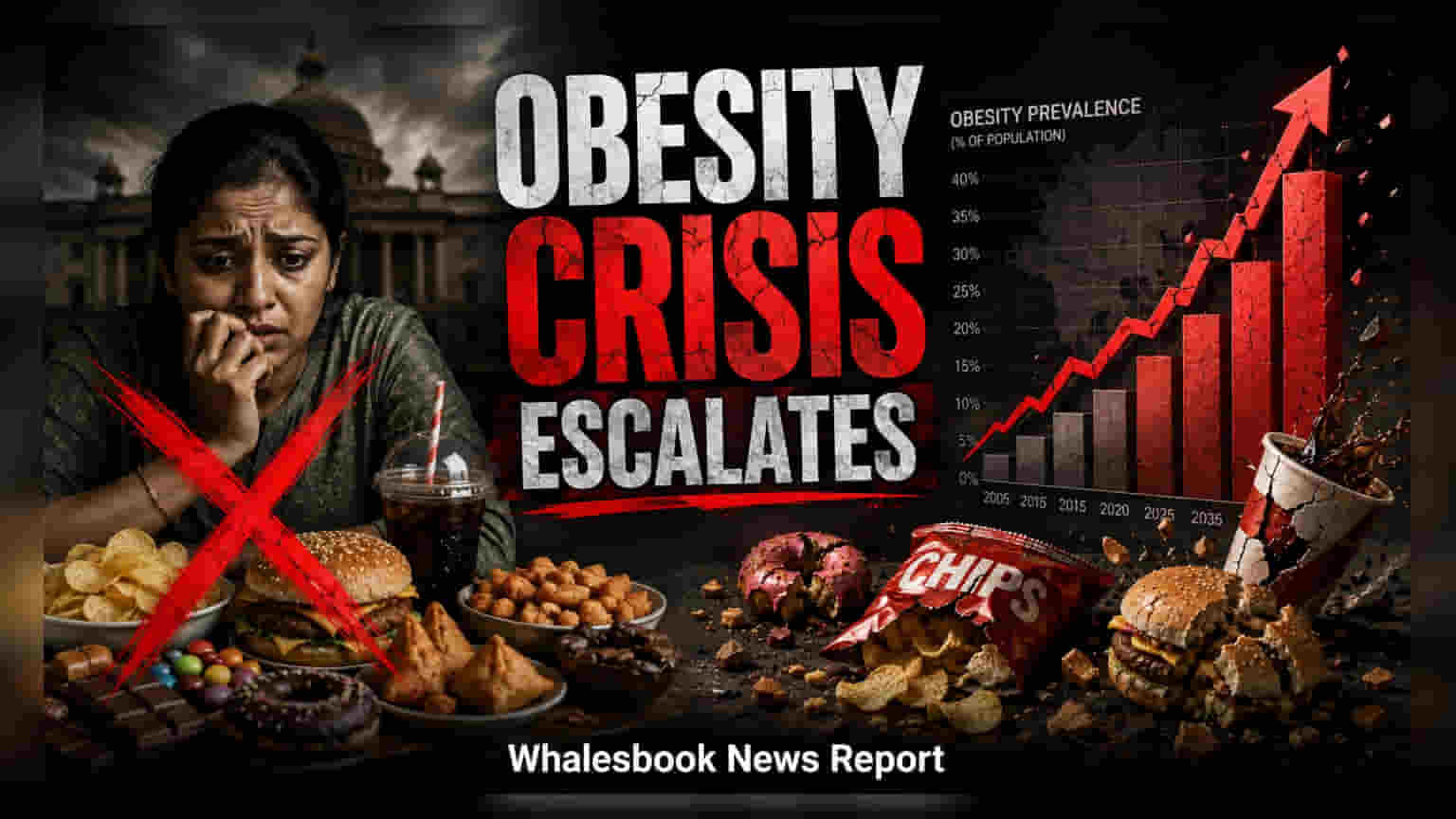
The Maharashtra government has implemented a ban on junk food sales in areas surrounding schools. This policy follows health data showing a rapid rise in obesity rates across the state. The move is part of a growing effort to address weight-related health challenges that are currently affecting millions of people across India.
The Maharashtra government has officially restricted the sale of junk food within the vicinity of schools to curb rising health concerns. This decision comes as recent public health data highlights a significant shift in nutritional health patterns across the state. According to findings from the National Family Health Survey, obesity rates have climbed noticeably among both men and women in Maharashtra.
Impact on Health and Local Trends
The most recent data indicates that obesity among women in Maharashtra has risen to 31.1%, up from 23.5% reported in the previous survey cycle. Men have seen a similar trend, with obesity rates increasing to 32.8% from 24.7%. While the rise is widespread, health experts have noted that the speed at which these rates are increasing is particularly high, prompting authorities to target school environments as a point of intervention to influence younger generations.
National Context and Sector Pressure
This trend is not limited to Maharashtra. Across India, obesity levels among women have increased by over 6 percentage points on average. Several other states have reported even steeper escalations. For instance, obesity rates among women in Andhra Pradesh reached 47.9%, while Kerala and Karnataka also saw double-digit increases. This nationwide rise has put pressure on the public healthcare sector, as higher rates of weight-related conditions often lead to increased demand for long-term medical care and lifestyle-related treatments.
Market and Business Considerations
The restriction on junk food near schools represents a regulatory challenge for packaged food companies and quick-service restaurant operators that have traditionally focused on high-density areas near educational institutions. Businesses operating in the processed food segment may face a need to adjust their distribution strategies or product portfolios to align with tightening health-focused regulations. Investors in the consumer goods and healthcare sectors should monitor whether this policy leads to similar nationwide restrictions or shifts in consumer demand patterns.
As the government monitors these health indicators, the key monitorable for the industry will be the extent to which these bans are enforced and whether additional states adopt similar measures. Future updates regarding public health policy, regulatory compliance requirements for food retailers, and potential changes in consumer preferences toward healthier options will remain relevant for stakeholders in the food and beverage industry.