

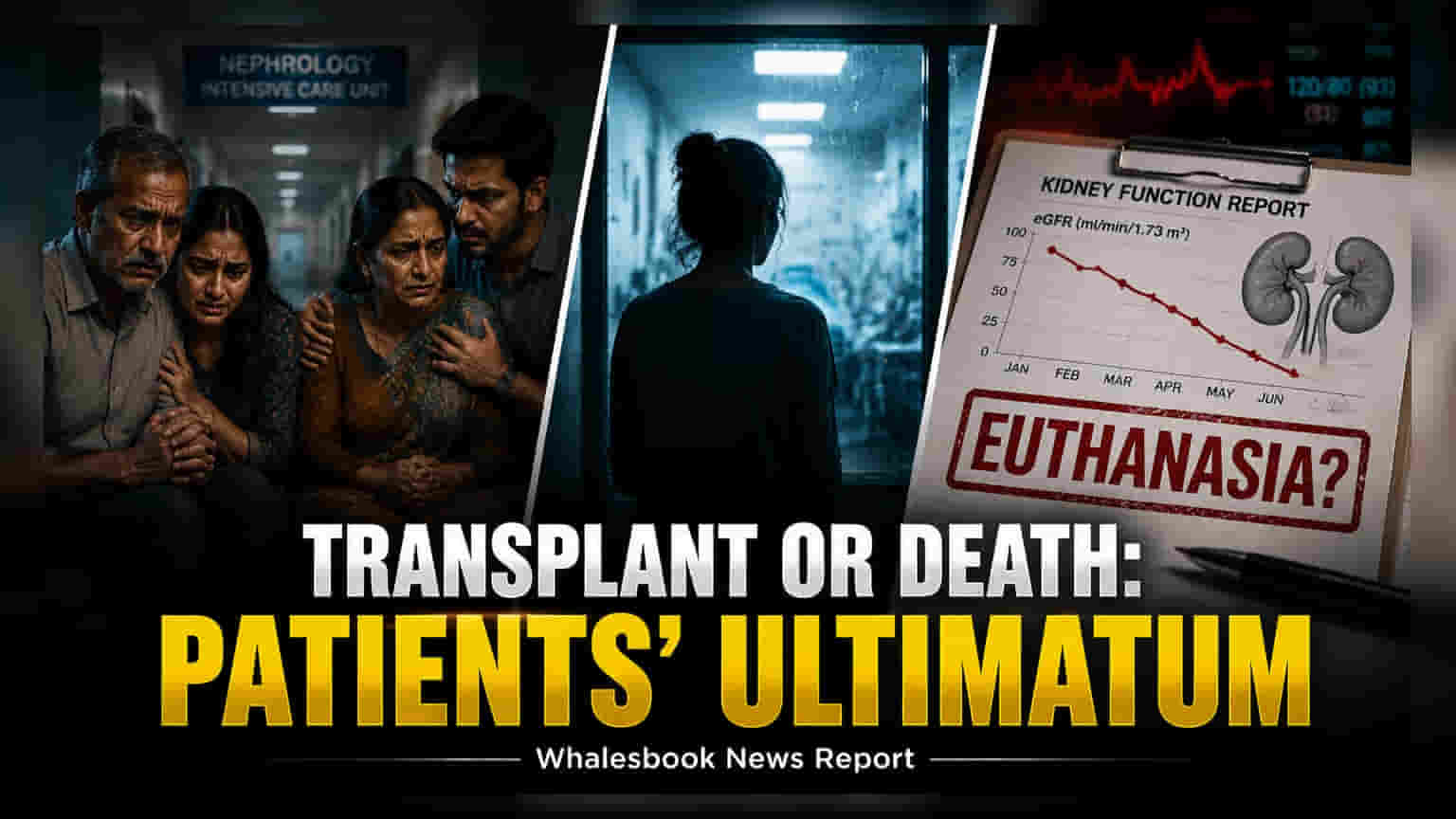
Five women suffering from post-childbirth kidney failure at Kota’s New Medical College Hospital have stopped dialysis, demanding kidney transplants or euthanasia. The patients allege medical negligence after an incident in May 2026, while hospital authorities maintain that clinical recovery requires time and continued treatment.
A critical situation has emerged at the New Medical College Hospital in Kota, Rajasthan, where five women who developed kidney complications following childbirth are refusing further dialysis treatment. The patients, who have been undergoing regular dialysis for approximately 70 days, have issued an ultimatum to the district administration, demanding immediate kidney transplants or the legal right to euthanasia.
Origins of the Medical Crisis
This situation is connected to a larger healthcare incident that occurred in early May 2026. Reports indicate that twelve women faced severe health complications after childbirth procedures at both the JK Lon Hospital and the New Medical College Hospital. Following this period, five of the women passed away, while two others recovered. The current protest involves the five remaining patients who have been receiving ongoing care for kidney failure.
The families of the women have alleged that the medical complications were caused by negligence and the administration of faulty medication during their delivery procedures between May 4 and May 8, 2026. This has become a point of contention between the families and the hospital administration, as the patients argue that their current condition is the result of past medical failures.
Hospital Stance and Clinical Protocol
Dr. Nilesh Jain, the Principal of the New Medical College, has publicly denied the allegations of negligence. According to hospital officials, the patients are currently clinically stable and are receiving necessary care under the Chief Minister Ayushman Scheme, which provides for free medical services.
Regarding the demand for transplants, the hospital administration has explained that there is a standard clinical waiting period of three to six months following such kidney injuries. This duration is required to accurately assess whether a patient's kidney function may show signs of natural recovery before determining if a transplant is medically necessary. Hospital authorities have urged the continuation of dialysis, noting that the procedure is life-sustaining and that stopping it poses immediate and severe health risks to the patients. The hospital has indicated it will notify the district administration regarding any formal refusal of treatment by the patients.
Next Steps for Stakeholders
The primary focus for the district administration and health authorities will be to navigate the gap between the patients' demands and the hospital's clinical protocols. Investors and followers of the regional healthcare sector will likely monitor how this dispute is resolved, particularly regarding the potential for further investigations into the medical practices at these facilities and any subsequent impact on public health policy or hospital operations in Rajasthan.