

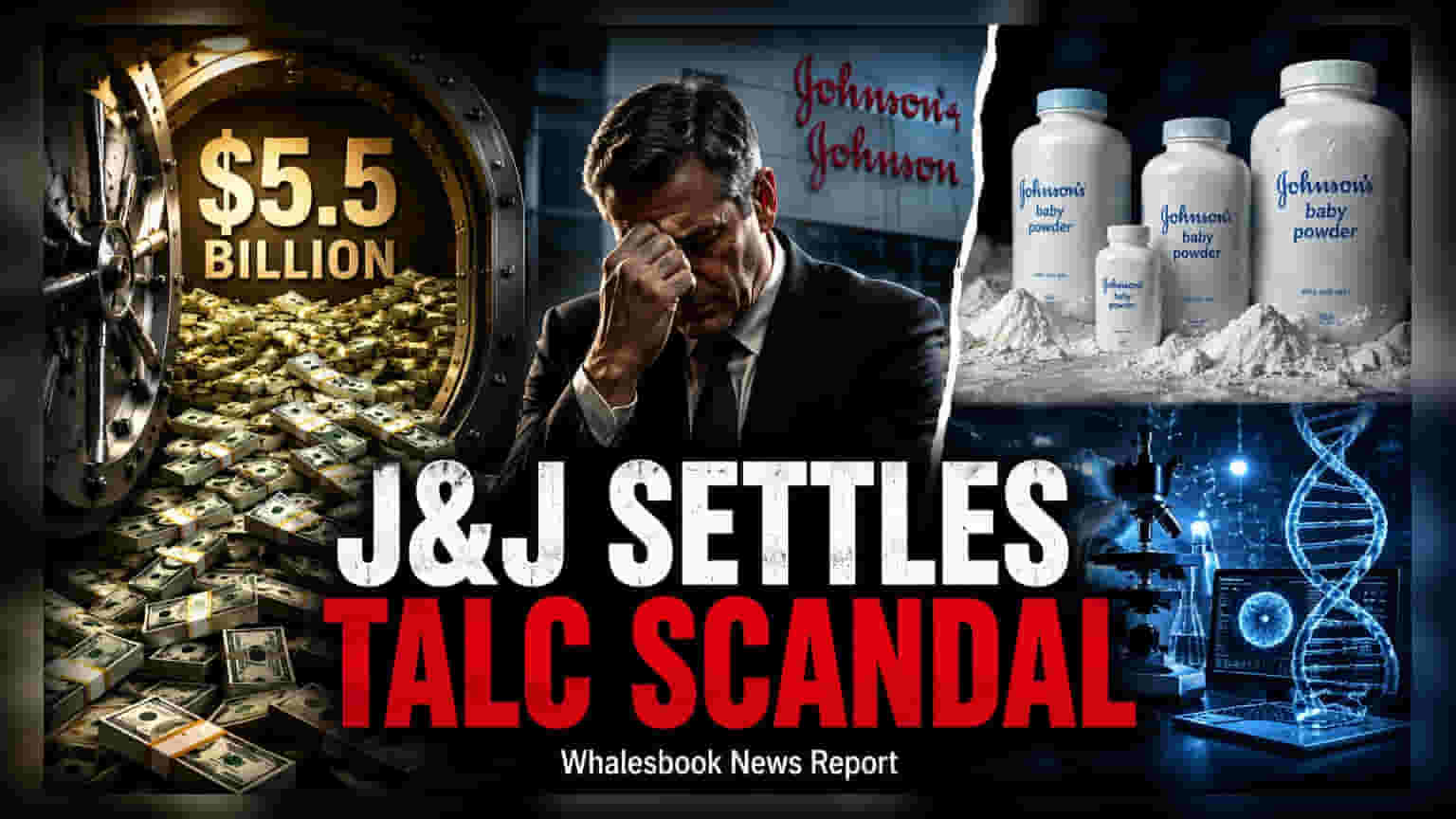
Johnson & Johnson has proposed a $5.5 billion settlement to resolve approximately 76,000 lawsuits alleging its talc products caused cancer. The move aims to clear a decade-long legal hurdle and stabilize the company's brand reputation. Investors will monitor the required 95% claimant approval rate to determine if this long-standing litigation can finally be put to rest.
Johnson & Johnson has proposed a payment of up to $5.5 billion to settle a massive backlog of legal cases related to its talcum powder products. These lawsuits, which have persisted for nearly a decade, involve allegations that the company's talc-based powders were contaminated with asbestos and linked to ovarian cancer. The healthcare giant has consistently denied these claims in court, but the legal pressure has remained a consistent point of uncertainty for the company and its shareholders.
Scale of the Proposed Settlement
The proposed $5.5 billion resolution is intended to cover approximately 76,000 lawsuits currently active in various U.S. state and federal courts. For the deal to proceed, the company requires acceptance from 95% of the claimants involved. While the company has secured some favorable court rulings in previous years, the mixed nature of verdicts across different jurisdictions appears to have influenced this decision to seek a comprehensive settlement rather than continuing individual legal battles.
Strategic Pivot and Future Focus
Beyond the legal implications, this settlement represents a broader attempt by Johnson & Johnson to move past a damaging chapter for its consumer brand. The company globally discontinued the sale of its talc-based baby powder last year, shifting its focus toward higher-value medical technology and pharmaceutical research. By attempting to resolve this litigation, management is likely aiming to reduce legal uncertainty and free up financial resources for its R&D-led growth strategy. Investors have historically viewed these legal overhangs as a drag on the company’s valuation, as they created unpredictable costs and harmed the reputation of its legacy consumer products.
What Investors Should Monitor Next
The most important monitorable for shareholders is the progress of the claimant voting process. Because the $5.5 billion offer is contingent upon reaching a 95% acceptance threshold, the finalization of this agreement is not guaranteed. If a significant number of plaintiffs reject the proposal, the company may face prolonged litigation, potentially leading to further legal costs or revised settlement terms. Beyond the legal outcome, the market will continue to assess how quickly Johnson & Johnson can successfully reposition its portfolio toward its core oncology and medical device segments to drive long-term value.