 Whalesbook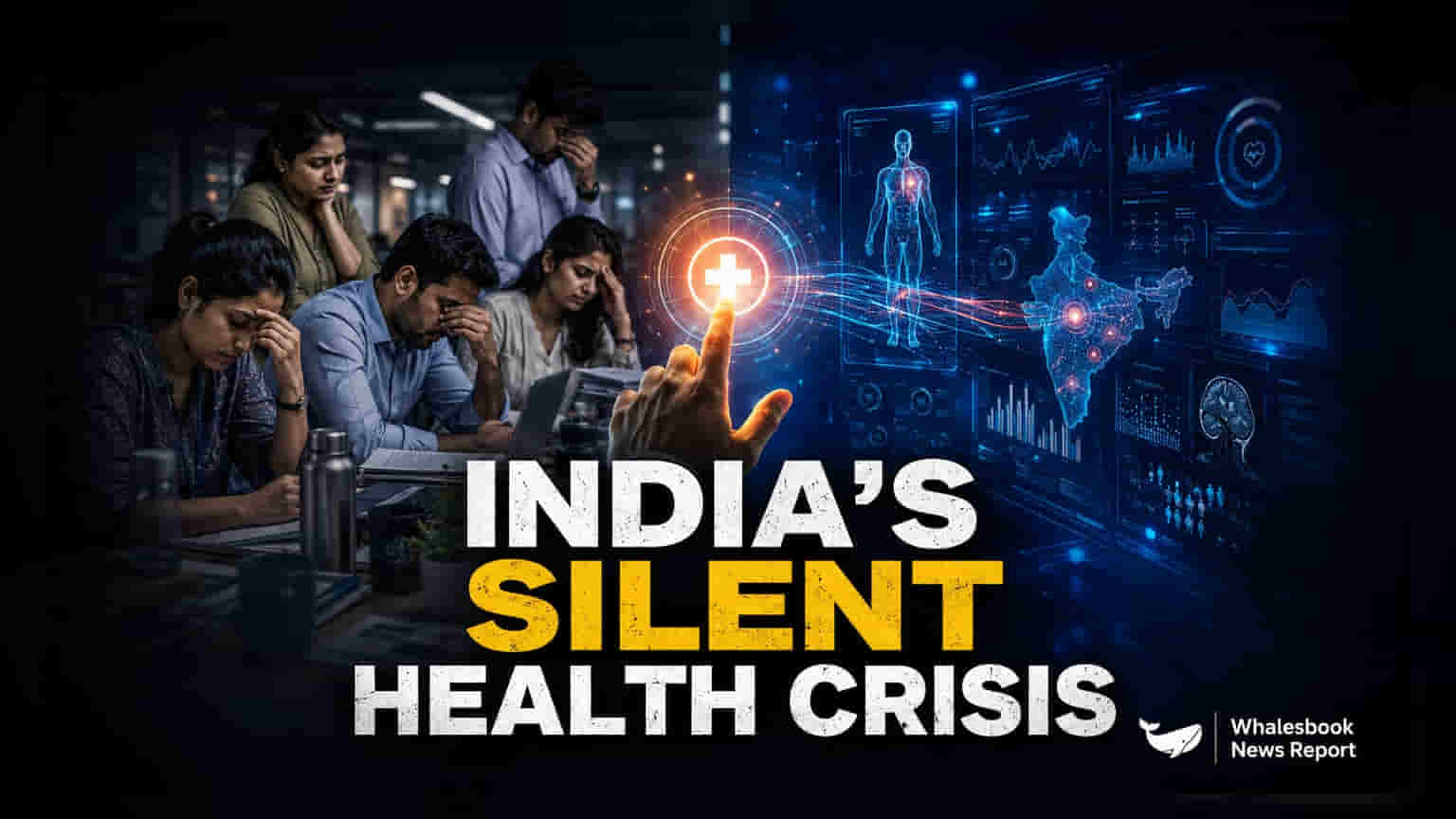


The Macro-Economic Burden
India’s escalating metabolic crisis is no longer merely a public health challenge; it represents a deepening drag on human capital efficiency. With 101 million diabetics and 315 million hypertensive citizens, the sheer scale of the patient base is straining the current reactive care framework. The economic cost is multifaceted, manifesting as reduced labor participation, escalating long-term disability claims, and a looming surge in non-communicable disease expenditure that threatens to outpace GDP growth in the healthcare sector. Investors should note that the transition from episodic, fee-for-service hospital care to a preventative, digital-monitoring model is the new frontier for value creation.
The Corporate Productivity Gap
Data from recent screenings of over 500,000 corporate employees indicates that 80% are currently overweight, with a staggering 50% prevalence of pre-diabetes or diabetes by age 38. This is not just a health statistic; it is a signal of deteriorating operational resilience in India’s urban workforce. As companies face higher insurance premiums and absenteeism, the demand for corporate wellness platforms is shifting from optional perks to essential risk-mitigation infrastructure. Hospitals that integrate predictive analytics with corporate insurance mandates are capturing a larger share of the wallet compared to traditional clinical providers that rely solely on acute-care revenue.
Digital Infrastructure as the Primary Moat
While the Ayushman Bharat Digital Mission has successfully linked 739 million health IDs, the real alpha lies in the integration of AI-driven longitudinal data. The infrastructure is now moving toward continuous, wearable-enabled monitoring. Companies capable of synthesizing this data—translating fragmented health records into actionable, real-time intervention pathways—are creating significant moats. Unlike legacy hospital groups that compete on local bed capacity, these digitally mature players are scaling across borders by licensing preventative protocols and clinical diagnostics software.
The Forensic Bear Case: Structural Weaknesses
Despite the bullish case for digital health, significant risks persist. Many of the touted 'preventative' platforms remain unproven at scale, facing high churn rates and difficulties in sustained patient engagement. From a governance perspective, the aggressive monetization of health data poses regulatory risks, particularly as privacy laws tighten. Furthermore, rural healthcare deployment remains prohibitively expensive; the infrastructure gap is not merely technological but logistical. Investors must be wary of companies that over-rely on urban corporate subscriptions while neglecting the low-margin, high-volume requirements of the broader Indian population. Without a clear pathway to government-backed reimbursement for preventative screenings, the unit economics for many digital health startups remain fragile.