 Whalesbook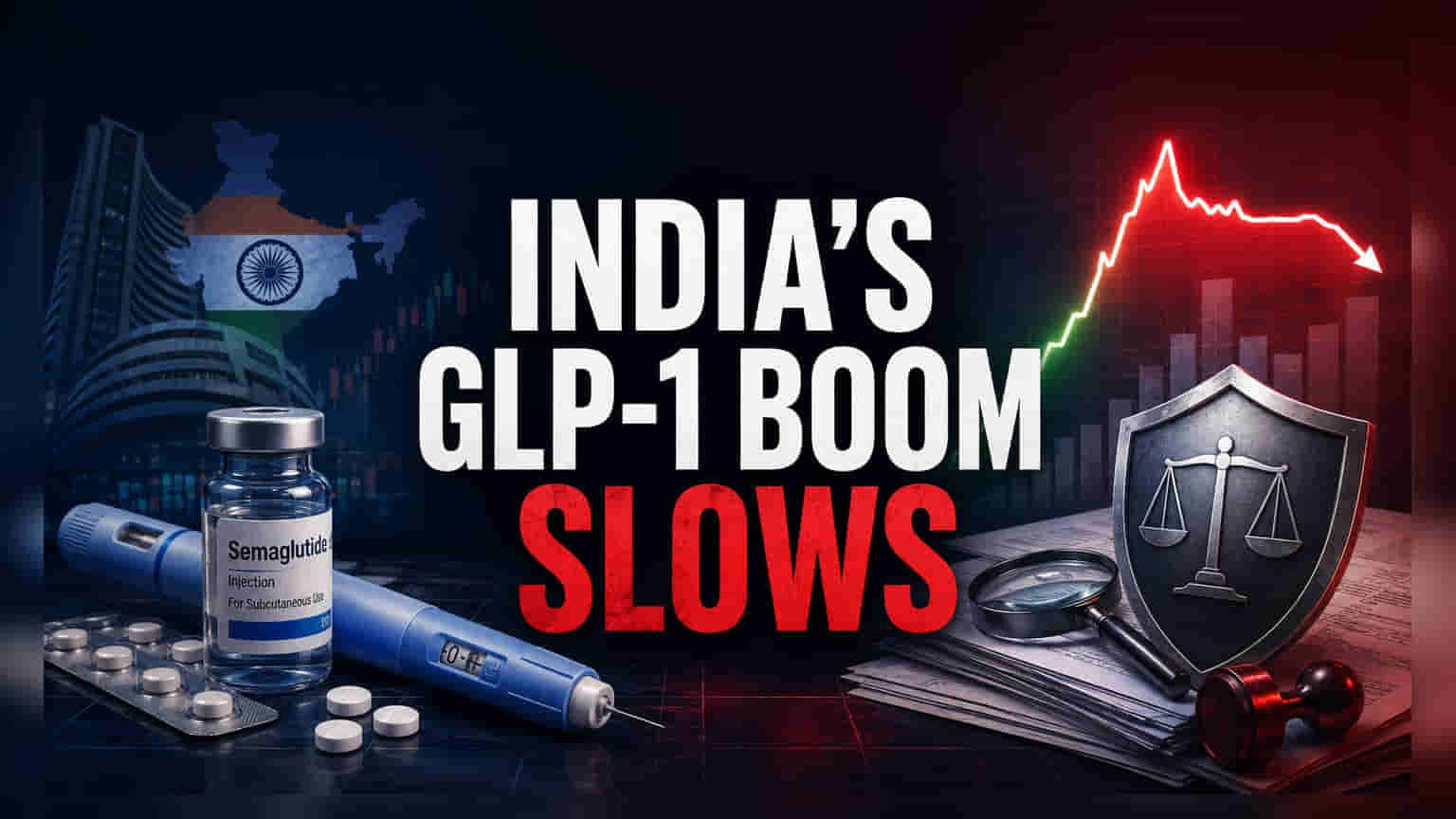


The Saturation of Rapid Growth
The initial euphoria surrounding India’s post-patent semaglutide market has encountered a sharp reality check. After an April surge fueled by the entry of over a dozen domestic manufacturers, the market value reached Rs 93 crore in May, representing a mere 6% sequential growth. This deceleration highlights a transition from the speculative, rapid-uptake phase following the late-March patent expiry to a more disciplined market where volume growth is increasingly tied to repeat prescriptions and physician adherence rather than mere product availability.
Competitive Realignments
While the overall market value growth has moderated, competitive dynamics remain fluid. Eris Lifesciences has successfully positioned its brand as a volume leader, leveraging a tiered approach to supply both vials and pens to capture price-sensitive segments. Meanwhile, Sun Pharmaceutical Industries Ltd. has seen its own brands, Noveltreat and Sematrinity, show resilience with strong month-on-month volume gains. Conversely, Torrent Pharma—which commanded an early 38% market lead in April—experienced a sequential decline in its injectable segment during May, even as its oral offerings sustained steady momentum. This divergence suggests that physician and patient preference for specific delivery formats, particularly the convenience of oral tablets versus the perceived efficacy of injectables, is becoming a decisive factor in long-term market share.
The Regulatory Headwind
The softening market is partly a consequence of heightened oversight by the Central Drugs Standard Control Organisation. Regulatory bodies have intensified audits across 49 entities, including online pharmacy warehouses and wellness clinics, to curb misleading marketing and unauthorized, off-label sales of GLP-1 drugs. By strictly enforcing prescription-only requirements—mandating that these drugs be dispensed only under the guidance of endocrinologists or internal medicine specialists—the government has effectively closed the channels that fueled the initial "on-demand" frenzy. This regulatory floor provides much-needed safety guardrails but also creates a significant friction point for rapid consumer adoption.
The Forensic Bear Case
Investors should note the structural risks inherent in the current pricing war. As domestic manufacturers like Zydus, Lupin, and Dr. Reddy's compete on cost, there is a risk of margin compression that could outweigh volume gains. Furthermore, the reliance on imported peptide APIs and the technical challenges of scaling peptide synthesis (SPPS) pose a threat to those unable to secure stable, high-quality supply chains. Unlike the established, data-rich profile of innovators such as Novo Nordisk, newer generic entrants may face increased scrutiny regarding long-term safety data, particularly as the Indian Pharmacopoeia Commission begins formal adverse-event reporting. For firms heavily leveraged in the weight-loss segment, any shift in regulatory sentiment or a sustained decrease in price-per-unit could lead to disappointing quarterly results, making the current "growth" narrative look increasingly fragile.