

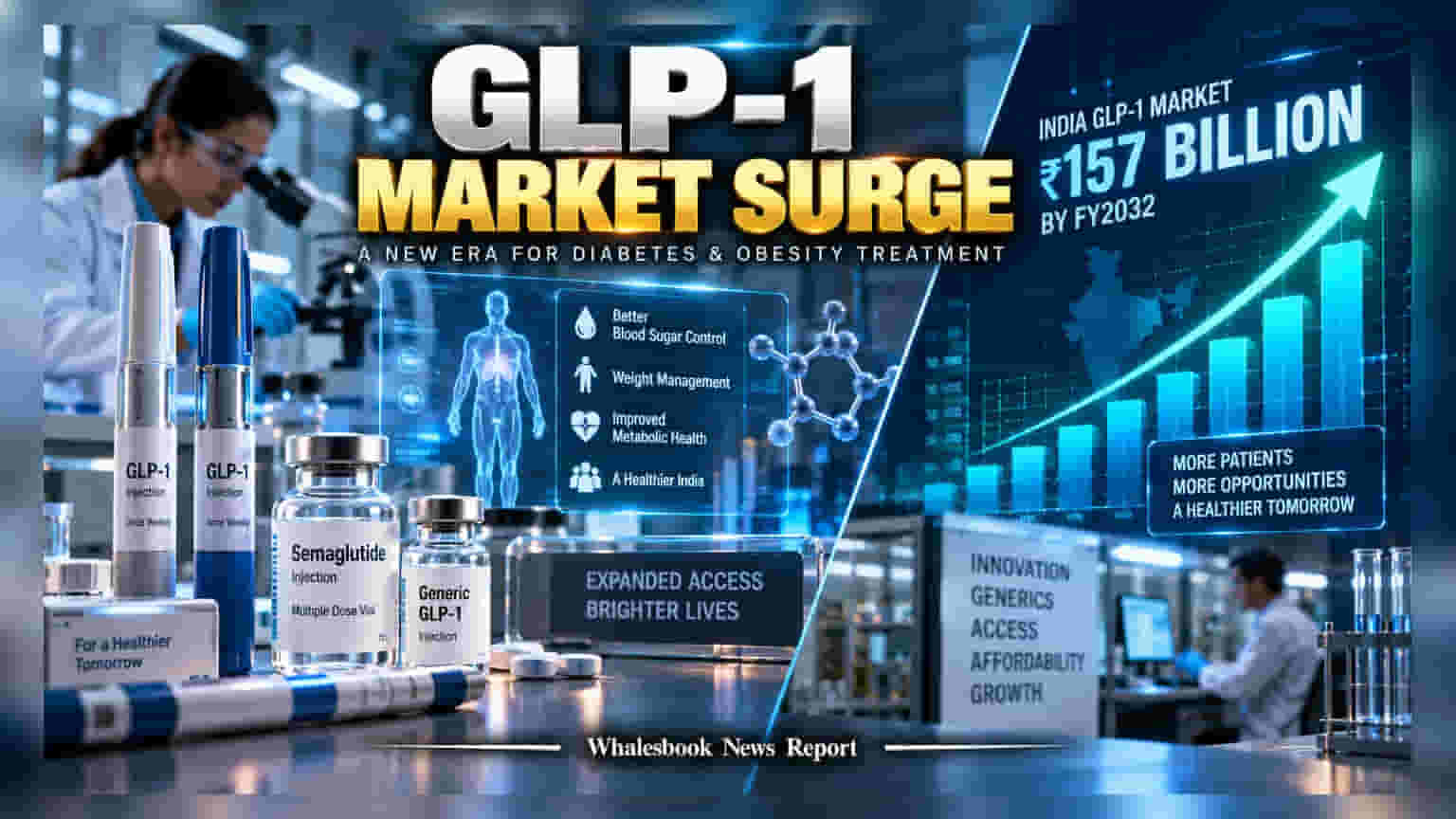
Following the March 2026 patent expiry of semaglutide, India’s GLP-1 market is seeing a surge in generic competition. Kotak Institutional Equities identifies mid-cap pharma players like Eris Lifesciences, Torrent Pharma, Natco Pharma, and Lupin as the key beneficiaries. These firms are expected to see a greater impact on earnings per share compared to industry giants due to their focused business models.
The Indian market for GLP-1 therapies, which are used to treat diabetes and obesity, is undergoing a major shift. Following the expiry of key patents for semaglutide in March 2026, the market has opened up to generic competition. Analysts at Kotak Institutional Equities project this therapeutic segment could reach a market value of Rs 157 billion by FY2032 as the number of patients accessing these treatments grows significantly from current levels.
Strategic Focus for Mid-Cap Players
While several companies have rushed to launch generic versions, not all are expected to benefit equally. Large pharmaceutical companies like Sun Pharma possess the volume to capture a significant portion of the market, but because of their massive scale, the financial impact of these sales on their overall earnings is limited. Conversely, mid-cap firms are better positioned to see a material improvement in their financial performance.
According to Kotak’s analysis, Eris Lifesciences, Torrent Pharma, Natco Pharma, and Lupin are identified as the primary beneficiaries. These companies are viewed as having a competitive advantage due to their existing strength in the cardio-diabetic market, their ability to integrate production processes vertically, and their pricing power. For these mid-sized players, the new GLP-1 product lines could contribute between 4% and 12% to their earnings per share by FY2029, a much more significant boost than what is expected for larger industry peers.
Supporting Infrastructure and Supply Chain
The ripple effect of this market expansion is also reaching specialized service providers. Contract Development and Manufacturing Organizations, such as OneSource and Gland Pharma, are emerging as critical partners. These firms provide the technical infrastructure needed for complex drug development. Additionally, device manufacturers like Shaily Engineering Plastics are expected to play a vital role, as the delivery mechanisms for these drugs—often in the form of injectable pens—require precise engineering.
Risks and Market Hurdles
While the growth potential is high, investors should be aware of several challenges that could impact these companies. Intense price competition is a primary risk; as more generic entrants launch their versions of the drug, profit margins may come under pressure. Furthermore, the regulatory environment remains strict, with potential requirements for India-specific clinical trials posing barriers to entry and adding to costs.
Supply chain complexities also remain a bottleneck. The manufacturing of peptide-based drugs and the high-precision assembly of delivery devices are difficult to scale. Additionally, while injectables currently dominate the market, analysts expect a gradual shift toward oral therapies, which are projected to capture a 27% market share by the start of the next decade. Companies will need to maintain flexible manufacturing strategies to adapt to this changing preference. Investors should monitor the progress of these firms in securing market share, their ability to maintain pricing power against competitors, and any updates regarding new drug approvals or shifts in patient preference toward oral medications.