

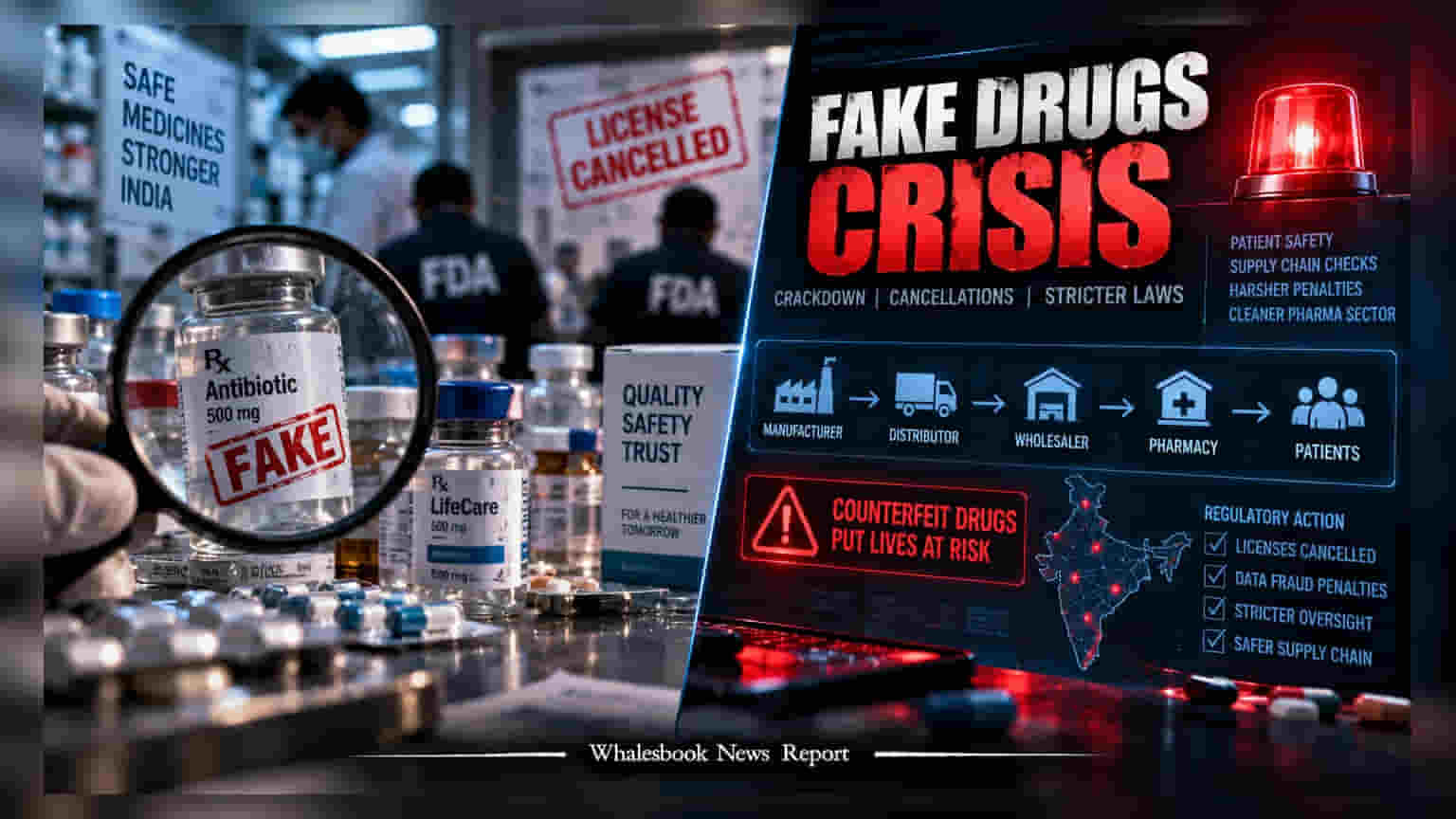
India is tightening pharmaceutical regulations following a rise in counterfeit drug reports, with the government amending rules to allow for company debarment. Major firms are facing operational challenges as state regulators cancel licenses and enforce stricter supply chain compliance. Investors should track potential cost increases and brand risks associated with these regulatory updates.
The Indian pharmaceutical sector is navigating a period of heightened regulatory scrutiny as the government intensifies its crackdown on counterfeit and substandard medicines. Recent amendments to the Drugs Rules, 1945, now empower authorities to debar pharmaceutical companies found submitting fabricated data for regulatory approvals. This move is part of a broader push to restore patient trust and clean up the supply chain, as incidents of illicit drug distribution have moved from the periphery to the center of regulatory attention.
The regulatory pressure is visible on the ground. The Gujarat Food and Drug Control Administration (FDCA) has cancelled the licenses of 50 pharmaceutical firms following investigations into the distribution of counterfeit and illegal medicines. This development signals a zero-tolerance approach by state authorities, moving beyond warnings to direct enforcement actions. For investors, this shift indicates that the cost of non-compliance—ranging from legal penalties to the loss of manufacturing licenses—is increasing significantly.
Major pharmaceutical players, including Sun Pharma, Cipla, and Indian Immunologicals, have recently found their brand names associated with government-flagged samples. In several instances, companies have clarified that these samples were spurious imitations or fakes, rather than products manufactured within their own facilities. While these clarifications help protect brand equity, the association with counterfeit products creates reputational risks. The challenge for these companies is to ensure that their supply chains are sufficiently transparent to distinguish legitimate products from fakes, which often involves additional investments in tracking and packaging technology.
Looking ahead, the sector is preparing for the potential implementation of the Drugs, Medical Devices and Cosmetics Bill, 2026. This proposed legislation is intended to replace the legacy 1940 Act and aims to introduce stricter bail provisions and enhanced oversight mechanisms. The goal is to close the loopholes that have allowed counterfeiters to exploit brand names and infiltrate the medicine supply chain. However, for manufacturers, this also implies a higher threshold for compliance and potential increases in operational costs related to auditing and supply chain monitoring.
For investors and market participants, the key monitorable remains how companies manage the balance between expansion and supply chain security. While the growth potential of the Indian pharmaceutical industry remains robust, the ability of firms to navigate these regulatory headwinds will be a deciding factor in their operational stability. Future updates on the progress of the 2026 Bill and the outcomes of ongoing regulatory investigations across various states will provide better clarity on the impact on profit margins and long-term business health.