

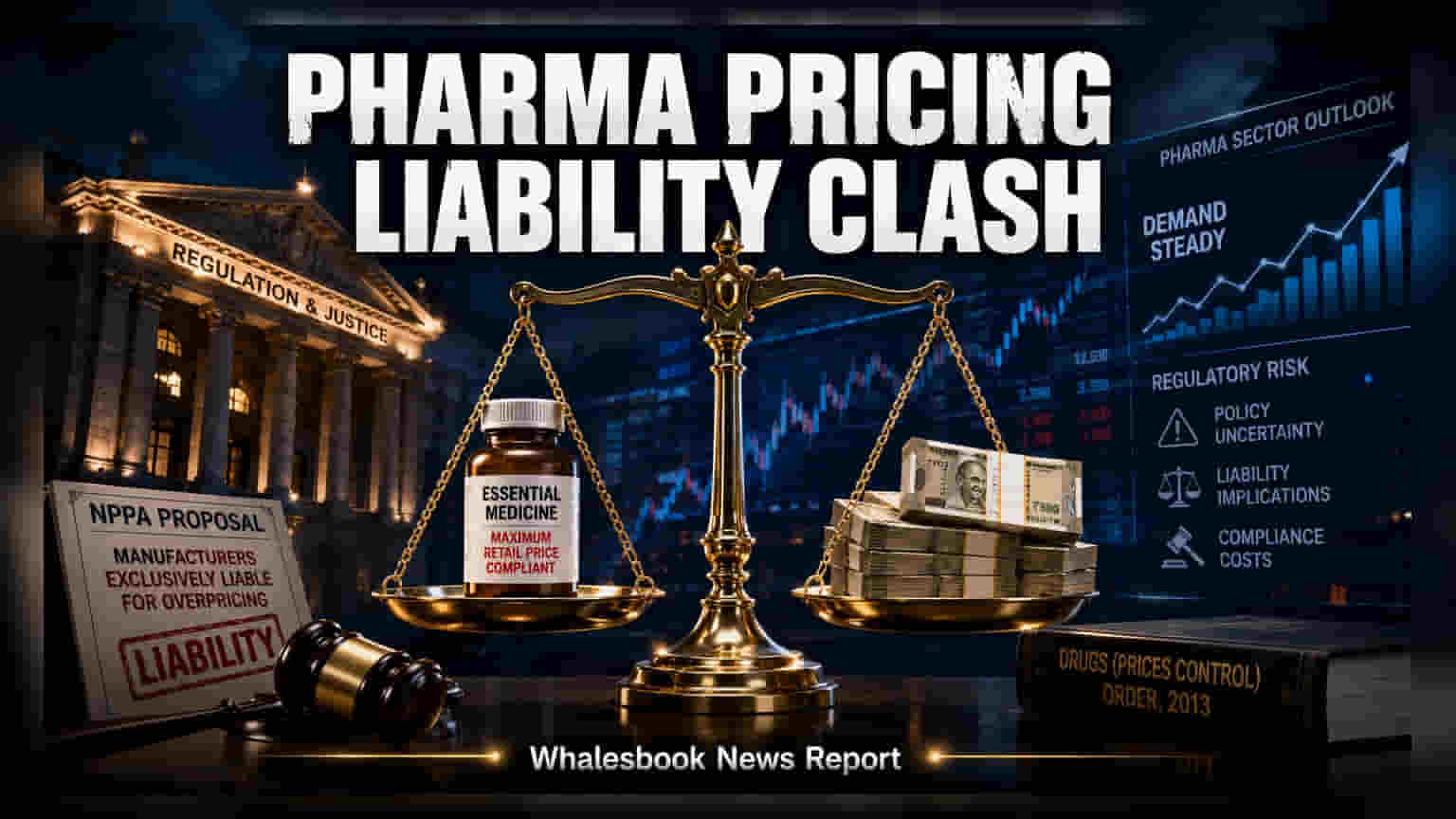
Indian pharmaceutical manufacturers are challenging an NPPA proposal that would hold them solely responsible for medicine overpricing. Industry groups argue this unfairly shields retailers and hospitals. For investors, this development highlights ongoing regulatory volatility, potentially increasing compliance costs and legal risks for the sector.
Pharmaceutical manufacturers in India are raising strong objections to a proposal by the National Pharmaceutical Pricing Authority (NPPA) that seeks to hold drugmakers exclusively accountable for instances of medicine overpricing. This regulatory push, if implemented, would effectively grant immunity to retail chemists, nursing homes, and hospitals in cases where medicines are sold above the prescribed maximum retail price. The industry argues that such a move creates a one-sided liability structure, ignoring the realities of the supply chain.
Industry bodies, most notably the Federation of Pharma Entrepreneurs (FOPE), have requested that the regulator suspend the proposal. Manufacturers assert that their legal obligation is fulfilled once they set the maximum retail price and submit the required data to the integrated pharmaceutical database management system. According to the industry, they exert no control over the final transaction price once the medicine reaches distributors, retail pharmacies, or healthcare institutions. By placing the entire burden on manufacturers, the industry believes the proposal unfairly penalizes companies for pricing decisions made downstream.
This dispute occurs against a backdrop of ongoing regulatory adjustments within the sector. A significant amendment to the Drugs (Prices Control) Order (DPCO), 2013, which came into effect on June 30, 2026, had previously aimed to clarify liability by restricting it to the specific distributor or retailer at fault, provided the manufacturer maintained compliance. The current NPPA proposal appears to be a reversal or a tightening of these earlier, more industry-friendly amendments, leading to increased uncertainty for companies.
Conversely, retail groups such as the All India Organisation of Chemists and Druggists (AIOCD) are lobbying for these exemptions. Retailers argue that they should not face legal penalties for pricing errors occurring at the manufacturing level, provided they operate within a legitimate supply chain. They have proposed the creation of standard operating procedures to define responsibilities clearly, aiming to shield the retail sector from legal repercussions.
For investors, this situation adds a layer of regulatory risk. Increased liability for manufacturers could translate into higher compliance costs, the need for more rigorous monitoring of the distribution chain, and the potential for prolonged litigation if the regulator proceeds with a strict liability framework. While the Indian pharmaceutical sector generally benefits from steady domestic demand, the frequent changes to pricing policy and enforcement mechanisms can create periods of operational uncertainty. Investors may track further exchange filings and official NPPA notifications to understand whether this proposal will lead to tighter enforcement, potential financial penalties, or a revised policy framework that balances manufacturer and retailer responsibilities.