 Whalesbook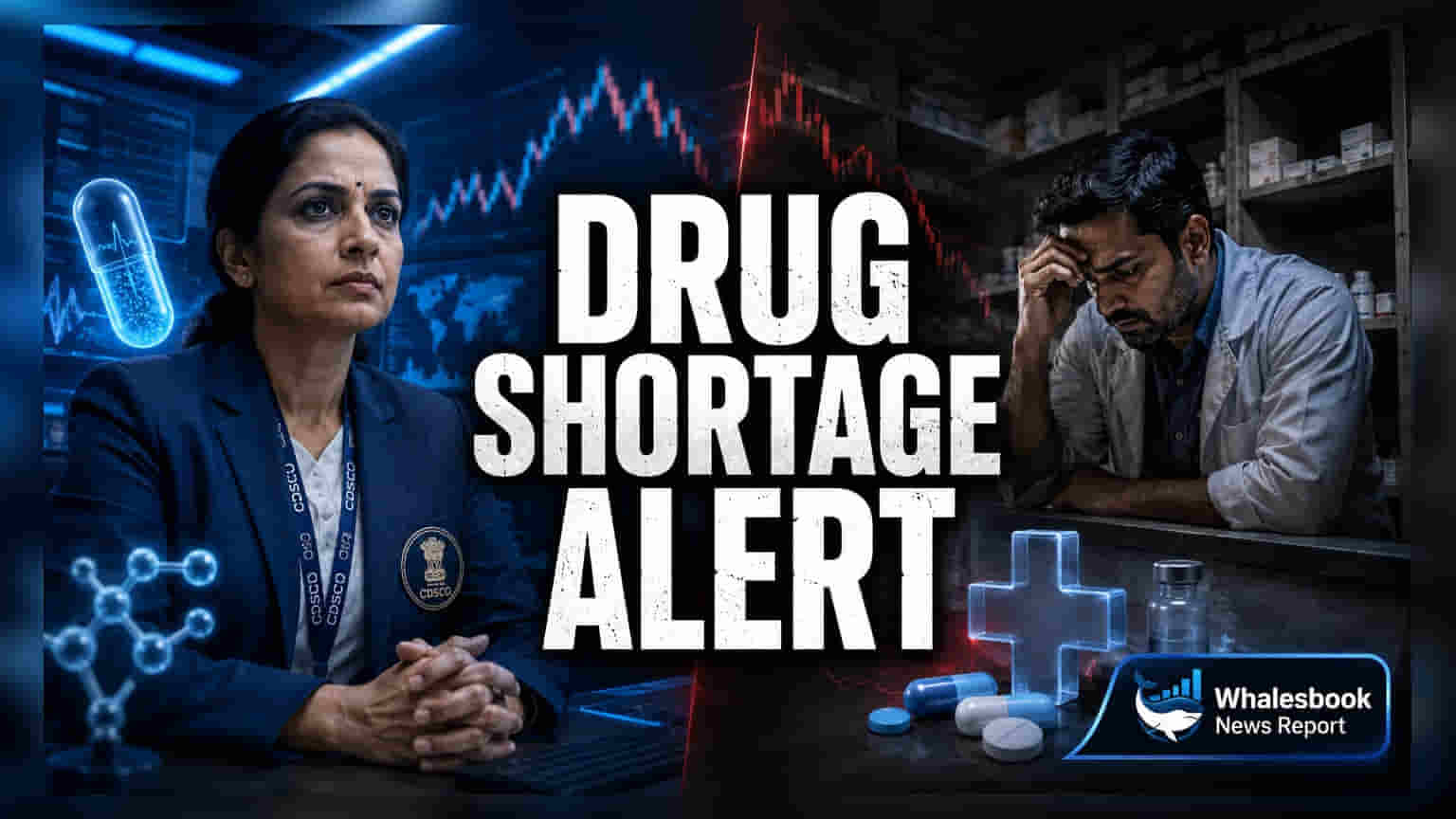


Ensuring Medicine Access During Chemist Protests
India's drug regulatory body, CDSCO, has issued a critical directive to states and Union Territories, mandating immediate actions to forestall potential drug shortages. This comes in response to a nationwide strike announced by the All India Organisation of Chemists and Druggists (AIOCD) for May 20. The AIOCD is protesting the rise of e-pharmacies and aggressive pricing strategies, which they claim threaten the viability of millions of local drug stores. The regulatory intervention focuses on maintaining the continuous availability of essential medicines to the public.
Government Mandates for Uninterrupted Service
State drug controllers have been explicitly instructed to prevent any forced closures of pharmacies. Authorities are to collaborate with law enforcement and local administrations to protect chemists willing to keep their businesses open from any form of intimidation. A key strategy involves engaging with local chemist associations to ensure at least a minimum number of pharmacies operate in each community, thereby preventing 'medicine deserts' in underserved areas. Continuous oversight of the pharmaceutical supply chain and healthcare services across districts is a priority to rapidly address any emerging disruptions. Public information campaigns will inform citizens about the measures in place and provide contact details for local drug officials in case of emergencies.
E-Pharmacies as a Point of Contention
The AIOCD's grievances are rooted in long-standing concerns over the impact of unregulated online pharmacies and their deep discounting practices. The organization contends that these digital platforms create an uneven playing field, posing an existential threat to traditional brick-and-mortar pharmacies. Rajiv Singhal, General Secretary of AIOCD, has indicated that the strike will persist until specific government regulations are rescinded and decisive action is taken against online pharmacies engaging in substantial price reductions. Pharmacies not participating in the strike, including those in government and private hospitals, Jan Aushadhi Kendras, and chain pharmacies, are expected to continue operations, providing alternative access points for medicines.
Sector-Wide Implications and Competitor Landscape
The ongoing tension between traditional chemists and e-pharmacies highlights a broader industry shift toward digital retail in healthcare. While e-pharmacies offer convenience and potential cost savings, their expansion raises concerns about equitable access, potential for counterfeit drugs, and the economic impact on a vast network of small businesses. Regulatory bodies are tasked with balancing innovation and consumer benefits against the need to support established distribution channels and ensure public health is not compromised. The outcome of this dispute could set precedents for e-commerce regulation within the pharmaceutical sector across India. Comparisons with other regions show varying degrees of regulatory oversight, with some countries implementing stricter controls on online drug sales to safeguard patient safety and market stability.