

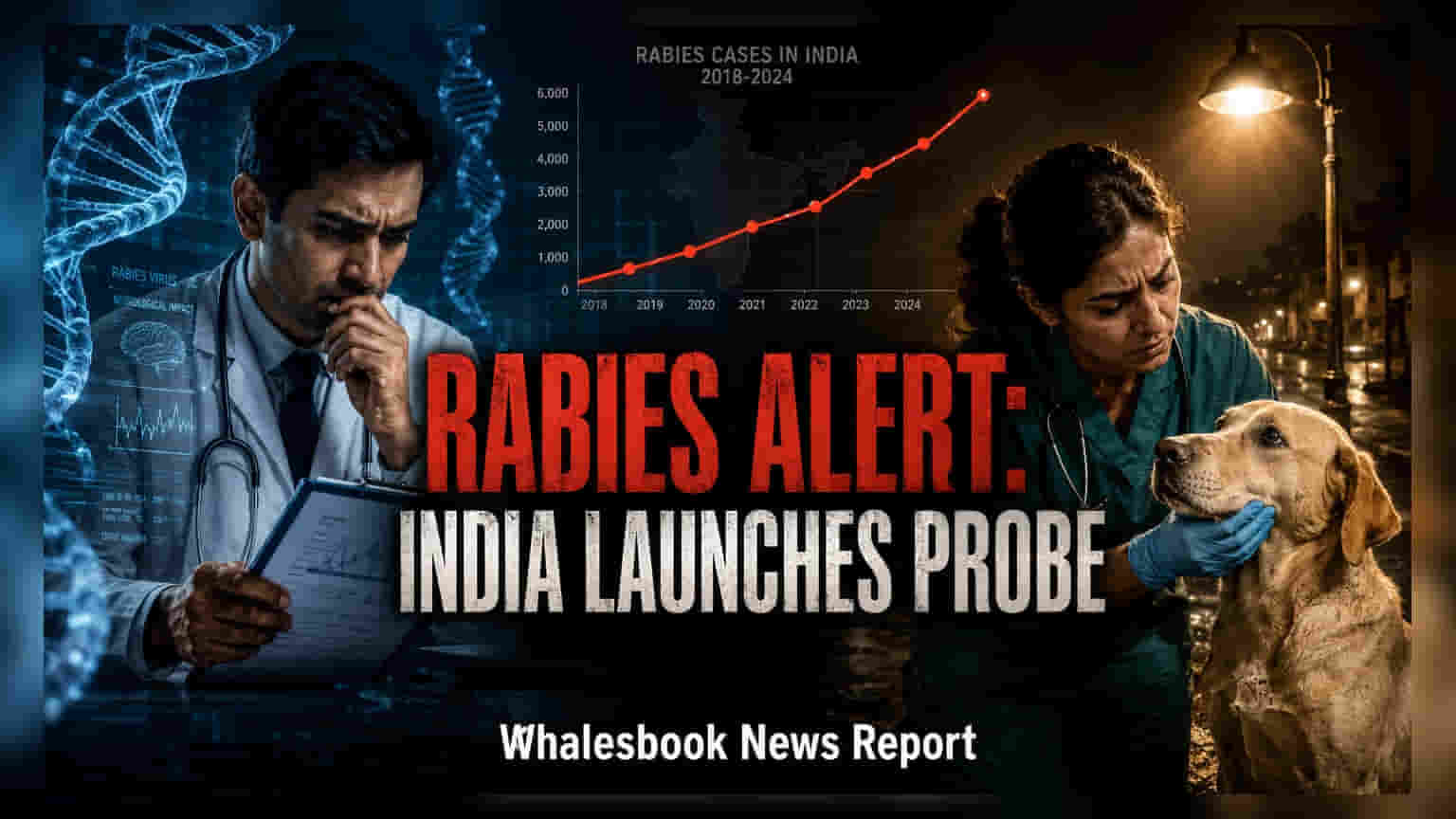
India has introduced a new multi-agency protocol to investigate every suspected rabies death, integrating health, animal husbandry, and local administration. This government-led 'One Health' approach aims to curb rising fatalities and is set against a backdrop of increasing demand for preventive care, with the Indian rabies vaccine market projected to reach $56.8 million by 2030.
The Indian government is implementing a stricter, multi-agency investigation protocol for all suspected human rabies deaths to improve public health surveillance. Led by the National Centre for Disease Control, this initiative mandates rapid tracking of infection sources and contact tracing to ensure timely medical intervention. This systemic change marks a significant shift in how the country manages the persistent and often fatal threat of rabies.
Operationalizing the 'One Health' Approach
The new standard operating procedure moves beyond a single-department response. It brings together the health, animal husbandry, and local municipal bodies to function as a unified team at national, state, and district levels. Healthcare facilities are now required to update the Integrated Health Information Platform within 24 hours of a suspected fatality. Following this, joint teams are tasked with starting field investigations within 48 hours to identify bite incidents, verify vaccination records, and map exposure clusters, aiming to deliver final reports within seven days.
Market Implications for Healthcare
For the broader healthcare and pharmaceutical sector, this heightened focus on rabies containment highlights a growing emphasis on preventive care and vaccine access. Data shows that dog-bite incidents rose to 3.72 million in 2024, compared to 2.75 million the previous year, while rabies-related deaths jumped from 22 in 2022 to 180 in 2024. This increase in awareness and government action is expected to sustain demand for both veterinary and human rabies vaccines. Market estimates suggest the domestic rabies vaccine market, currently valued at approximately $37.6 million, could grow to $56.8 million by 2030. This growth is driven by rising municipal spending on street dog management and increased awareness among pet owners.
Challenges in Execution
Despite the structured policy, the initiative faces clear operational hurdles. Success will depend on the effective coordination between different government departments, which can often face bureaucratic delays. Furthermore, the logistical challenge of ensuring the availability of anti-rabies vaccines and immunoglobulins in remote or rural areas remains a primary concern. The next important steps to track will be the efficiency of inter-departmental collaboration, the speed of vaccine procurement, and whether the new 48-hour investigation mandate leads to an improvement in timely treatment for those exposed to infection.