

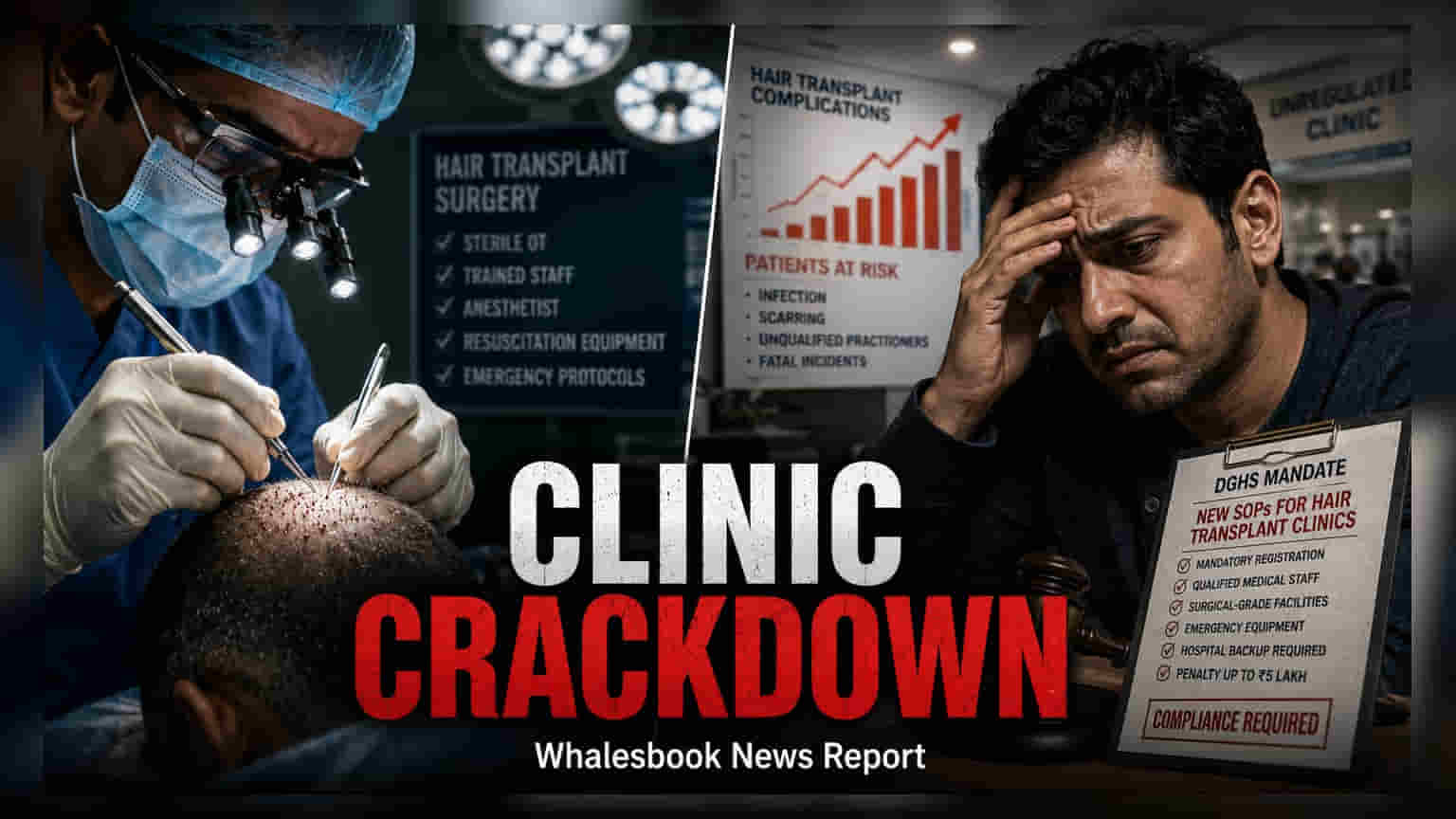
The Indian government has introduced strict standard operating procedures for hair transplant clinics following a rise in reported fatalities. This move classifies the procedure as a surgical practice, requiring all centers to upgrade emergency facilities and staffing. The change is expected to impact the unorganized aesthetic services market, potentially shifting patient demand toward established, regulated hospital chains.
The Directorate General of Health Services (DGHS) has introduced strict standard operating procedures (SoPs) for hair transplant clinics across India. This move follows a surge in medical complications and fatal incidents at unregulated, salon-style centers. The government’s updated guidelines reclassify hair transplantation from a routine cosmetic service to a formal surgical practice, mandating that clinics meet high medical and safety standards to continue operations.
Under the new rules, all facilities performing these procedures must register under the Clinical Establishments (Registration and Regulation) Act. Clinics are now required to employ specialized medical staff, including trained doctors and anesthetists, and must maintain surgical-grade operating theaters. Key safety mandates include the presence of critical resuscitation equipment—such as crash carts, oxygen, and defibrillators—and established backup protocols with nearby hospitals for medical emergencies.
For investors and the broader healthcare market, this regulatory push signals a major change in the aesthetic and wellness sector. Historically, the hair transplant industry in India has been highly fragmented, with thousands of independent, small-scale clinics operating with varying levels of quality. These centers often lack the infrastructure required for safe, sterile surgeries, putting patients at risk. The new mandate will likely increase operating costs significantly for these small providers, as they will need to hire qualified staff and invest in expensive life-saving equipment.
The regulatory shift is expected to favor large, organized hospital chains that already possess the necessary surgical infrastructure, sterilization protocols, and trained personnel. As safety concerns grow among patients, those seeking hair restoration may increasingly prefer established hospital brands or accredited dermatology chains over cheaper, independent clinics. This creates a potential 'flight to quality,' where trust and certification become the primary drivers of patient volume, rather than low pricing.
Clinics that fail to comply with these guidelines face strict regulatory consequences, including penalties of up to ₹5 lakh and the potential closure of facilities. State and Union Territory authorities are responsible for enforcing these norms, and the government is expected to begin audits to ensure adherence to the new standards.
The next important monitorable for the industry will be the pace of enforcement by state-level health departments and the resulting consolidation in the market. Investors and stakeholders should watch whether a significant number of small clinics shut down due to the inability to meet these higher infrastructure costs, or if they choose to merge with larger, more compliant healthcare providers. Additionally, any further updates from the National Medical Commission regarding accreditation standards for practitioners will be essential for gauging the long-term impact on the sector.