

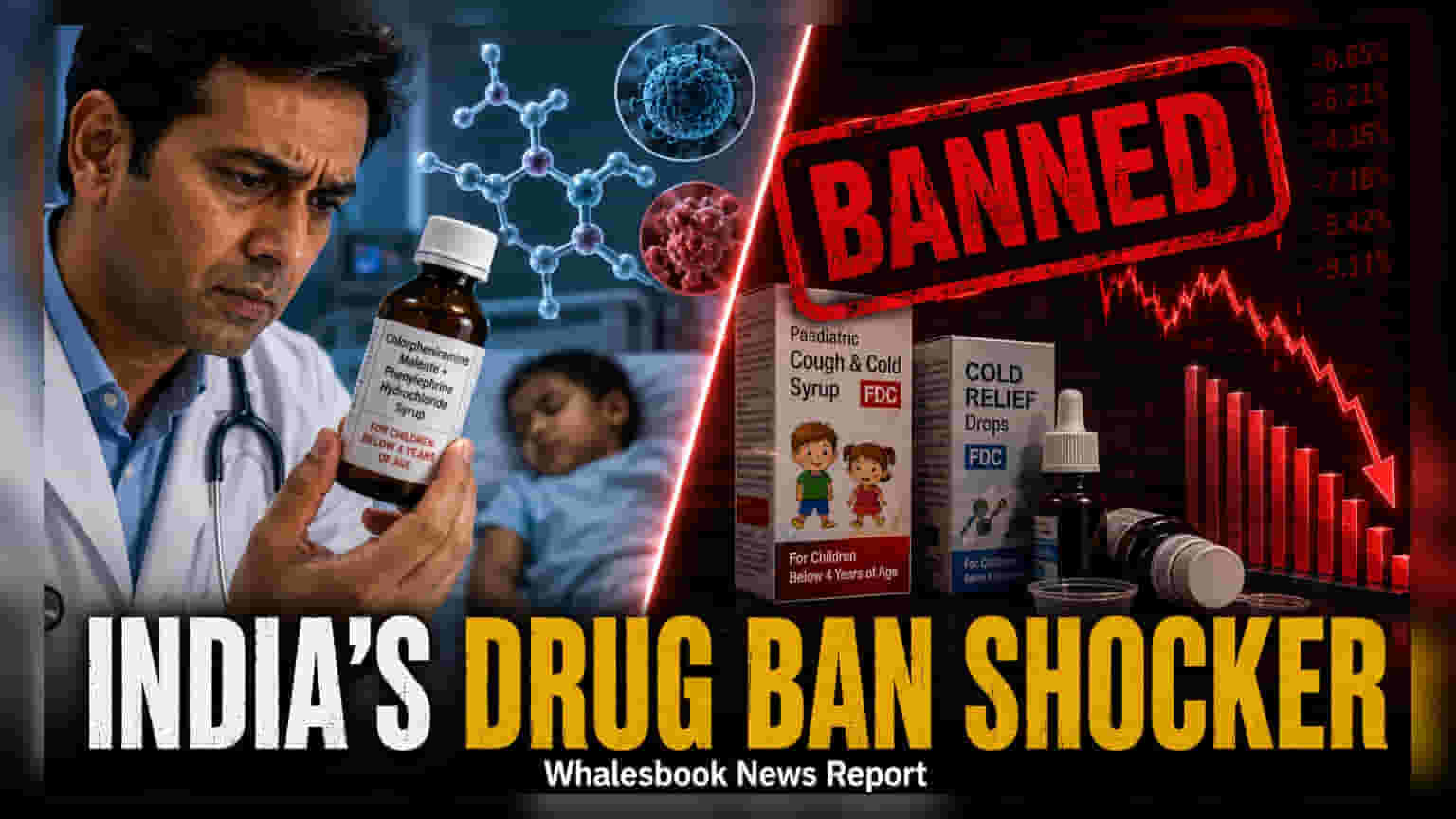
The government has restricted fixed-dose combinations of chlorpheniramine maleate and phenylephrine hydrochloride for children under four. This move affects a ₹4,500 crore market, requiring pharmaceutical companies to update product labels to warn against use in infants and toddlers.
The Union Ministry of Health and Family Welfare has implemented strict restrictions on the manufacture and sale of fixed-dose combination (FDC) cold medicines for children under four years of age. This regulatory action follows a thorough review by an expert committee and the Drugs Technical Advisory Board (DTAB), which flagged significant safety concerns regarding the use of these ingredients in young children.
The specific medicines under scrutiny contain a combination of chlorpheniramine maleate, a common antihistamine, and phenylephrine hydrochloride, a nasal decongestant. The government’s directive mandates that all manufacturers must now include a prominent warning on labels, package inserts, and promotional materials stating that the product shall not be used in children below four years of age. This decision is aimed at preventing health complications such as potential toxicity, cardiovascular risks, and the risk of accidental overdosing, which have been observed in pediatric cases.
Impact on the Pharmaceutical Market
The pediatric cough, cold, and anti-allergic retail market in India is estimated to be worth approximately ₹4,500 crore. This regulatory update affects several major pharmaceutical companies with established portfolios in over-the-counter (OTC) pediatric syrups and oral drops. Companies such as Mankind Pharma, Glenmark Pharmaceuticals, Cipla, and Zydus Lifesciences are among those with products that may require adjustments to labeling or formulation strategies to comply with the new safety norms.
For these companies, the primary short-term impact lies in operational compliance. Firms must ensure that existing stocks are correctly labeled or updated to reflect the new restrictions. While these companies often have diverse product portfolios, the regulatory change underscores a broader government push to phase out irrational or potentially unsafe fixed-dose drug combinations. The move aligns India’s safety protocols with international standards established by regulators like the U.S. FDA and the WHO, which generally caution against using multi-ingredient cold medicines for very young children due to limited efficacy data and safety concerns.
What Investors Should Track
Investors may monitor the commentary from pharmaceutical management regarding the scale of the impact on their pediatric portfolios. The key factor for companies will be the cost of re-labeling and the potential revenue shift if these products are withdrawn from the under-four segment. Additionally, this action may signal increased regulatory scrutiny on other legacy FDC products in the future. The ability of these firms to pivot toward safer, single-ingredient alternatives or clearly compliant formulations will be the next step in navigating this regulatory change.