

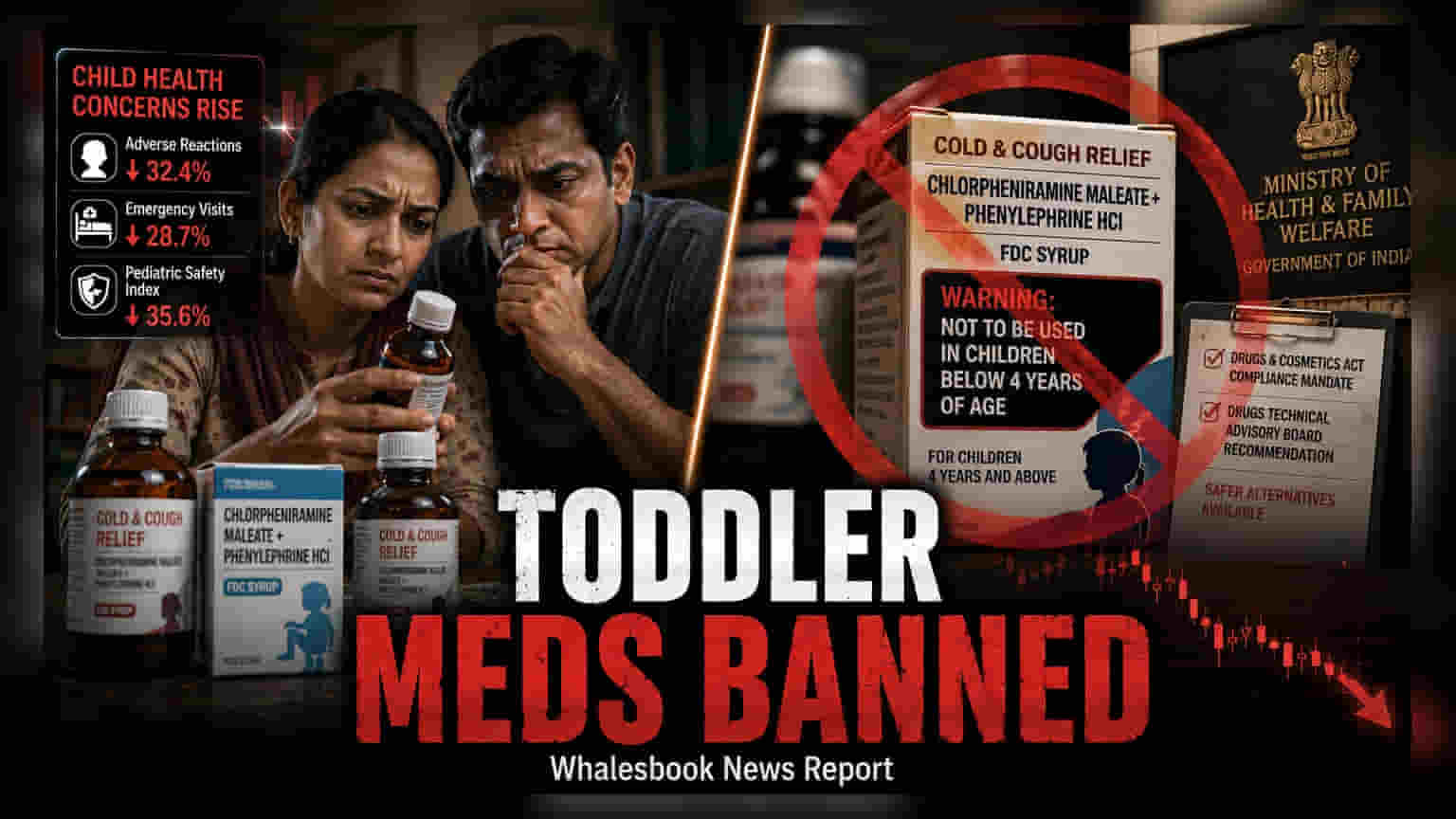
The Indian government has enforced regulations restricting the use of certain fixed-dose combination (FDC) cold medicines for children under four. Pharmaceutical companies are required to update labels and manage existing inventory according to regulatory norms. This move aims to ensure child safety by mandating the use of safer alternatives for common cold symptoms in infants and toddlers.
The Ministry of Health and Family Welfare has implemented strict regulatory measures regarding the manufacture and sale of specific fixed-dose combination (FDC) medicines. The directive targets products containing Chlorpheniramine Maleate and Phenylephrine Hydrochloride, restricting their use for children under the age of four. This regulatory standard, established under the Drugs and Cosmetics Act, follows findings from expert committees that pointed to the availability of safer alternatives for managing cold symptoms in young children.
For pharmaceutical companies, this regulatory framework requires careful portfolio and operational management. Manufacturers of popular pediatric cold and cough syrups, such as Glenmark Pharmaceuticals, Alembic Pharmaceuticals, and Haleon, have had to adapt to these safety standards. The regulatory requirement mandates that all packaging and promotional material for these specific combinations must prominently display a warning stating that the product should not be used for children below four years of age.
From an investor perspective, the key impact on these companies involves operational adjustments rather than just product withdrawals. A significant aspect of this regulation is the clarification from the Delhi High Court, which ruled that the ban is not retrospective. This means that existing stocks manufactured before the notification date could continue to be sold, helping companies manage inventory levels and reduce potential financial losses from the disposal of non-compliant stock. However, companies continue to face operational costs associated with updating manufacturing lines, labeling, and product documentation to ensure full compliance with the new safety norms.
Investors monitoring this sector may track how companies adjust their product portfolios to include compliant alternatives. The pharmaceutical sector often faces regulatory scrutiny regarding FDC formulations, and this event highlights the ongoing shift toward safer pediatric medication standards in India. The financial impact for manufacturers includes the cost of compliance and the need to pivot marketing strategies toward products that align with the latest safety recommendations from the Drugs Technical Advisory Board.
The next steps for the industry involve ensuring that all active stock in the market and future production cycles strictly follow the labeling and manufacturing mandates. The long-term monitorable for shareholders remains the company's ability to maintain revenue growth despite these regulatory product changes and the potential for similar regulatory action on other FDC categories in the future.