
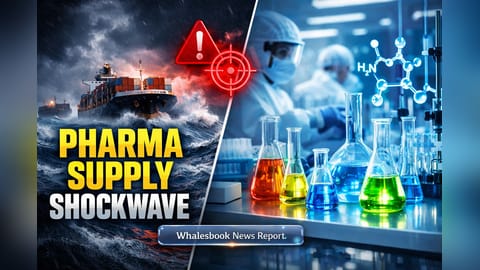
Supply Chain Vulnerability
Ensuring a steady supply of petrochemical inputs is the top priority for India's pharmaceutical sector, especially with the conflict in West Asia. While the government's temporary customs duty waiver on over 40 critical products helps reduce costs, the main issue is still getting these essential materials physically and moving them on time.
Geopolitical Headwinds
Disruptions to key shipping routes like the Strait of Hormuz and the Red Sea have made supply chains more vulnerable. Saudi chemical giant SABIC's force majeure declaration on methanol and styrene highlights the seriousness of the situation. Many ships are now taking longer routes around the Cape of Good Hope, adding weeks to delivery times and putting pressure on the stock levels manufacturers depend on.
Government Support and Export Boost
The recent duty waiver, covering items such as anhydrous ammonia, methanol, styrene, and various polymers until June 30, aims to ease the impact of rising prices. Industry groups, like the Pharmaceuticals Export Promotion Council of India (Pharmexcil), welcome the relief but note its real benefit depends on stable global prices for these goods. Separately, the RoDTEP scheme has been reinstated to its earlier levels, which should help Indian medical device and pharmaceutical exporters compete better worldwide.