

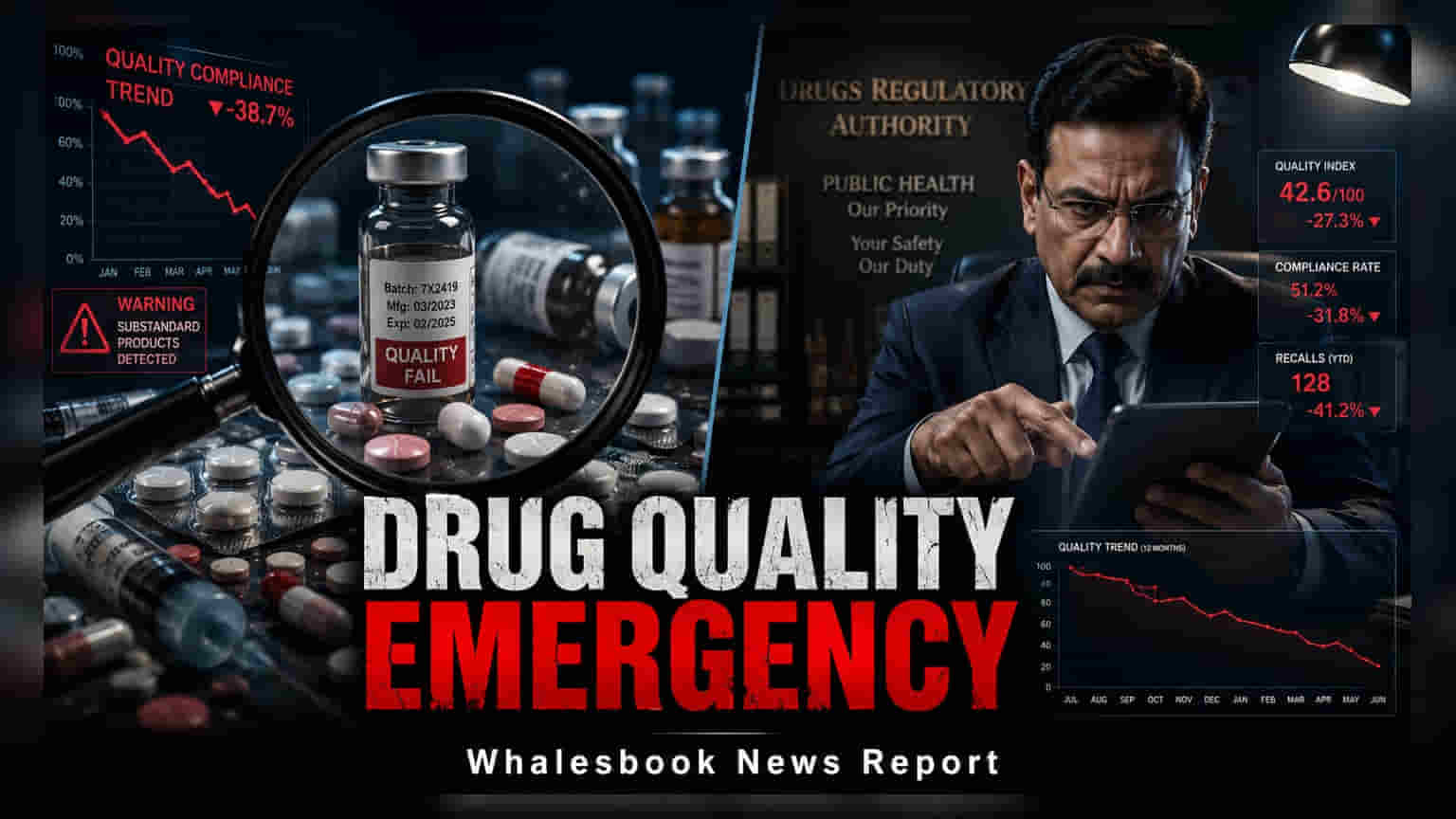
The Indian government has launched 950 enforcement actions against pharmaceutical firms since late 2022 to tighten drug quality standards. With over 1,100 cough syrup producers now facing intensive audits, investors should monitor potential production halts and rising compliance costs for smaller manufacturers. Despite these regulatory pressures, the sector has shown resilience, with exports reaching $8.10 billion in the first quarter of fiscal year 2027.
Indian authorities have escalated their oversight of the pharmaceutical sector, initiating more than 950 enforcement actions against drug manufacturing units since December 2022. This regulatory push is designed to eliminate substandard medicines and ensure that manufacturers strictly follow established quality benchmarks. The actions taken include the issuance of show-cause notices, production halts, and the suspension or cancellation of manufacturing licenses for units found in breach of compliance standards.
Compliance and Operational Risks
The most significant pressure point for the industry currently involves the cough syrup manufacturing segment, where over 1,100 producers are undergoing intensive, risk-based audits. This high level of scrutiny follows international concerns regarding the quality of exported Indian medicines, which has prompted the Central Drugs Standard Control Organisation to adopt a more rigorous inspection strategy. A critical development for investors to note is the mandatory implementation of revised Good Manufacturing Practices under Schedule M of the Drugs and Cosmetics Act, which became effective on January 1, 2026. For many smaller or mid-sized pharmaceutical companies, these stricter standards require significant capital spending on facility upgrades. Firms that fail to meet these requirements face the risk of temporary or permanent production shutdowns, which can directly impact revenue and profit margins.
Sector Resilience and Market Outlook
While the regulatory environment has tightened, the broader Indian pharmaceutical sector remains a strong contributor to the economy. Official data indicates that pharmaceutical exports reached $8.10 billion in the first quarter of fiscal year 2027, demonstrating that the industry continues to maintain its competitive position in global markets. The ongoing audits are viewed by regulators as a necessary step to protect the industry's long-term reputation and to ensure sustained growth in export markets that are increasingly sensitive to product standards.
For investors, the key monitorable remains the operational stability of companies with heavy exposure to the cough syrup and syrup-based segments. While larger, established pharmaceutical players with robust compliance frameworks are generally better positioned to navigate these changes, smaller manufacturers may struggle with the cost of compliance and the risk of operational disruptions. Market participants will likely track upcoming quarterly results to see if compliance-related expenses or production delays from these audits begin to weigh on profit margins or balance sheets.