 Whalesbook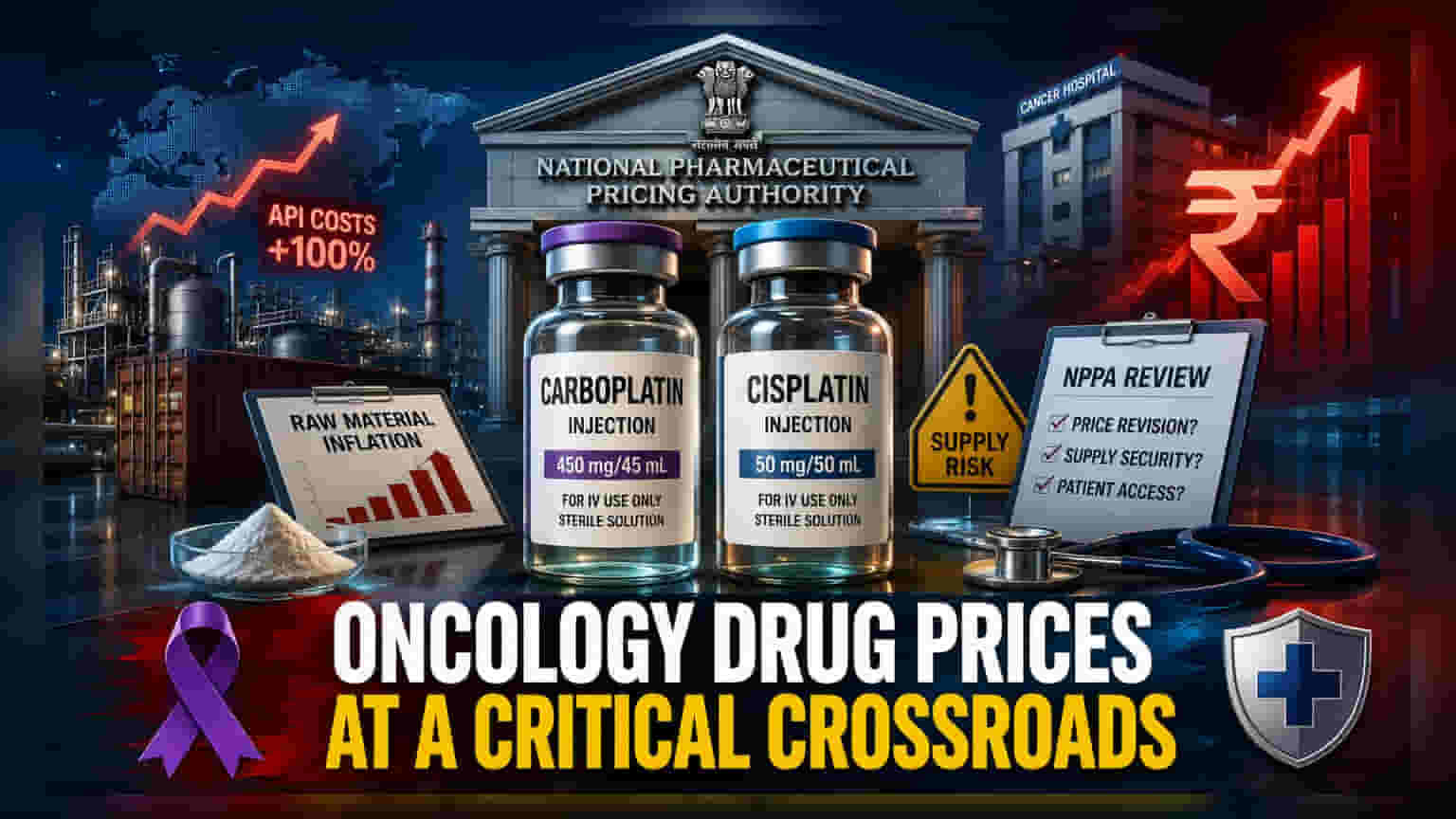


The Supply Chain Squeeze
The potential adjustment of ceiling prices for platinum-based agents such as carboplatin and cisplatin represents a significant pivot for the National Pharmaceutical Pricing Authority, which has historically prioritized consumer affordability over producer margins. The current pricing structure, characterized by stagnant price caps over the last decade, has collided with a severe inflationary cycle in Active Pharmaceutical Ingredients. With raw material costs escalating by more than 100% since late 2025, manufacturers face a production threshold where sustaining current volume levels is economically unviable.
Competitive Dynamics and Margin Erosion
Unlike therapeutic areas where manufacturers exercise pricing power, the oncology space in India is tightly controlled by NPPA price caps. Companies like Zydus Lifesciences, Pfizer, and Fresenius Kabi now contend with a classic margin compression scenario. While revenue for these firms continues to grow via volume expansion, the profitability of essential oncology portfolios has declined. Competitors within the generic landscape have begun to signal supply chain fragility, noting that the inability to pass on costs creates a systemic risk of drug shortages. Compared to higher-margin specialty drugs, these platinum-based formulations offer minimal incentives for continued investment, potentially pushing production toward less reliable, smaller-scale entities if the pricing floor remains unchanged.
The Forensic Bear Case: Structural Risks
Critics of the proposed hikes point to a deeper structural weakness: the domestic industry’s heavy reliance on imported APIs for essential medicines. This dependency makes Indian drug pricing highly sensitive to global supply chain shocks. If the NPPA grants the requested 50% increase, it risks setting a precedent that could trigger further inflationary pressure across the broader National List of Essential Medicines. Furthermore, institutional buyers and major oncology centers like Tata Memorial Hospital remain caught in the middle. Should prices rise sharply, the burden will shift directly to government-funded health schemes and patient out-of-pocket expenses, potentially offsetting the social utility of maintaining domestic supply. The risk remains that price adjustments act only as a temporary fix for a deeper, structural vulnerability in API sourcing.
Future Outlook and Regulatory Path
The path toward a resolution involves balancing the survival of the oncology manufacturing base with the political necessity of keeping cancer care accessible. Future regulatory actions are expected to move beyond simple ceiling adjustments toward a more complex tiered pricing system that accounts for raw material volatility. Investors should monitor whether the NPPA implements a temporary surcharge or a permanent revision, as the latter would indicate a fundamental shift in how the regulator manages medicine pricing in an inflationary environment.