

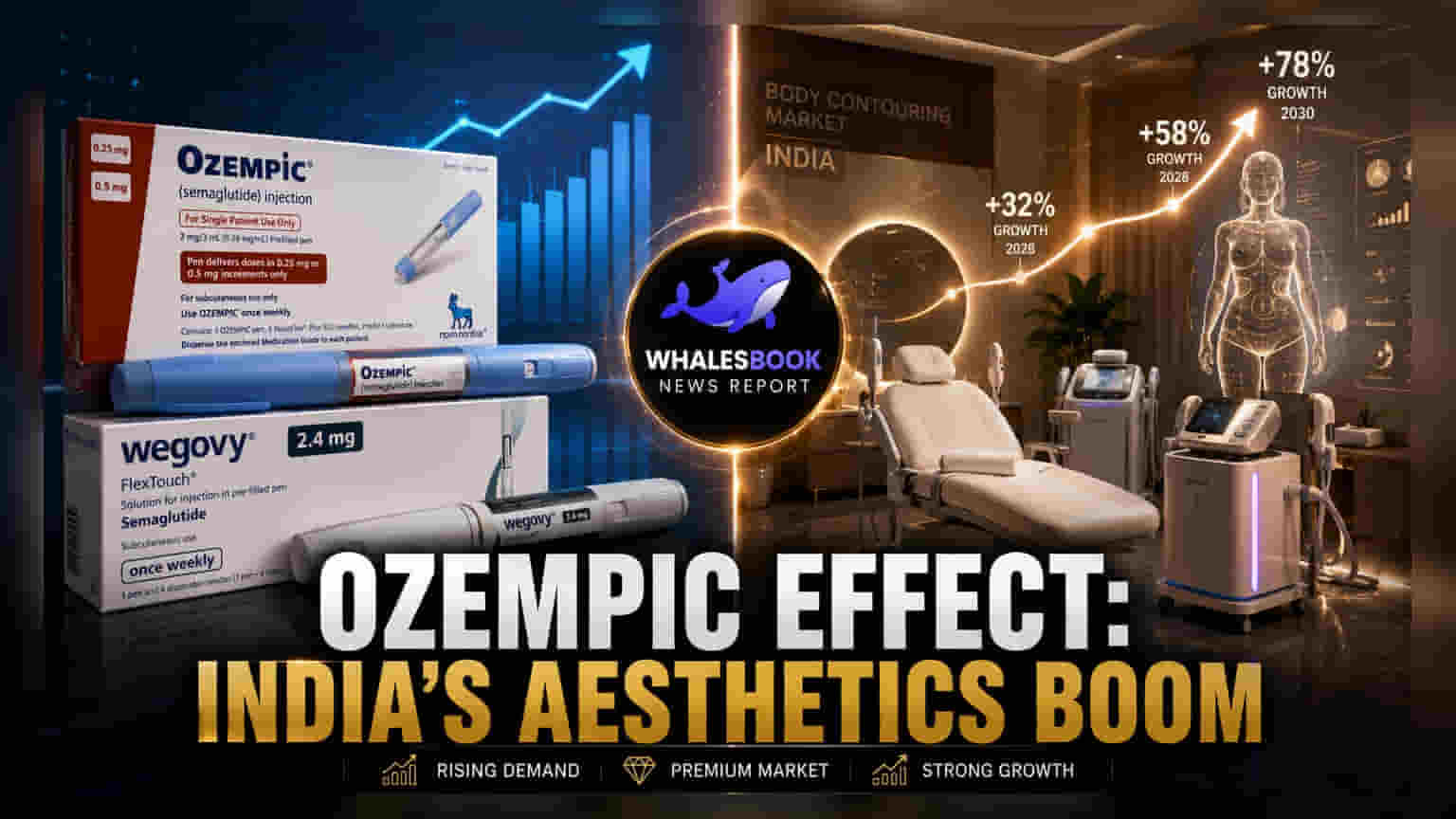
India’s aesthetic device market is projected to reach $1.73 billion by 2031, fueled by rising demand for body-contouring treatments. This growth follows the increased use of weight-loss drugs like Ozempic, which often lead to patients seeking procedures for loose skin. Investors should monitor how regulatory oversight in clinics evolves alongside this rapid sector expansion.
The Indian medical aesthetics sector is undergoing a notable shift as the popularity of GLP-1 weight-loss medications, such as semaglutide and tirzepatide, creates a secondary demand for aesthetic services. As these drugs help patients achieve significant weight reduction, many are turning to non-invasive body-contouring and skin-tightening procedures to address concerns like loose skin or uneven fat distribution. This phenomenon, often referred to in global markets as a post-weight-loss makeover, is now influencing the growth trajectory of India’s aesthetic device industry.
Market Projections and Segment Growth
Data indicates that the broader Indian aesthetic devices market, estimated at approximately $870 million in 2026, is on a path to reach $1.73 billion by 2031. This represents a compound annual growth rate of nearly 15% over the five-year period. Within this category, body-contouring and cellulite-reduction devices are leading the charge, with the segment projected to expand at an annual rate of around 17%. For investors, this shift highlights a move toward specialized medical technology and high-value aesthetic services, though it is important to distinguish these treatments from traditional weight-loss solutions. These devices are intended for reshaping specific areas for patients who are already near their target weight, rather than for substantial fat reduction.
Regulatory and Execution Challenges
While the demand outlook appears supportive, the sector faces hurdles regarding standardization. Medical aesthetic devices in India fall under the regulatory framework of the Central Drugs Standard Control Organisation, which oversees device approval and safety. However, the operational landscape is fragmented, with varying levels of oversight for individual clinics and practitioners. The lack of uniform standards for operator qualifications across the country remains a potential risk for the sector. Ensuring that these procedures are performed safely and effectively is critical for long-term sustainability, as inconsistent service quality or safety concerns could dampen consumer confidence and invite closer scrutiny from regulators.
Investor Monitorables
Moving forward, the primary focus for stakeholders will be the pace of technology adoption in clinics and the regulatory environment surrounding cosmetic procedures. Investors should track how device manufacturers position their products to meet this rising demand and whether health authorities introduce stricter guidelines for aesthetic clinics. The long-term performance of this segment will depend on the continued adoption of GLP-1 medications, the maintenance of high safety standards in non-invasive procedures, and the ability of the industry to scale in a highly competitive and fragmented healthcare landscape.