

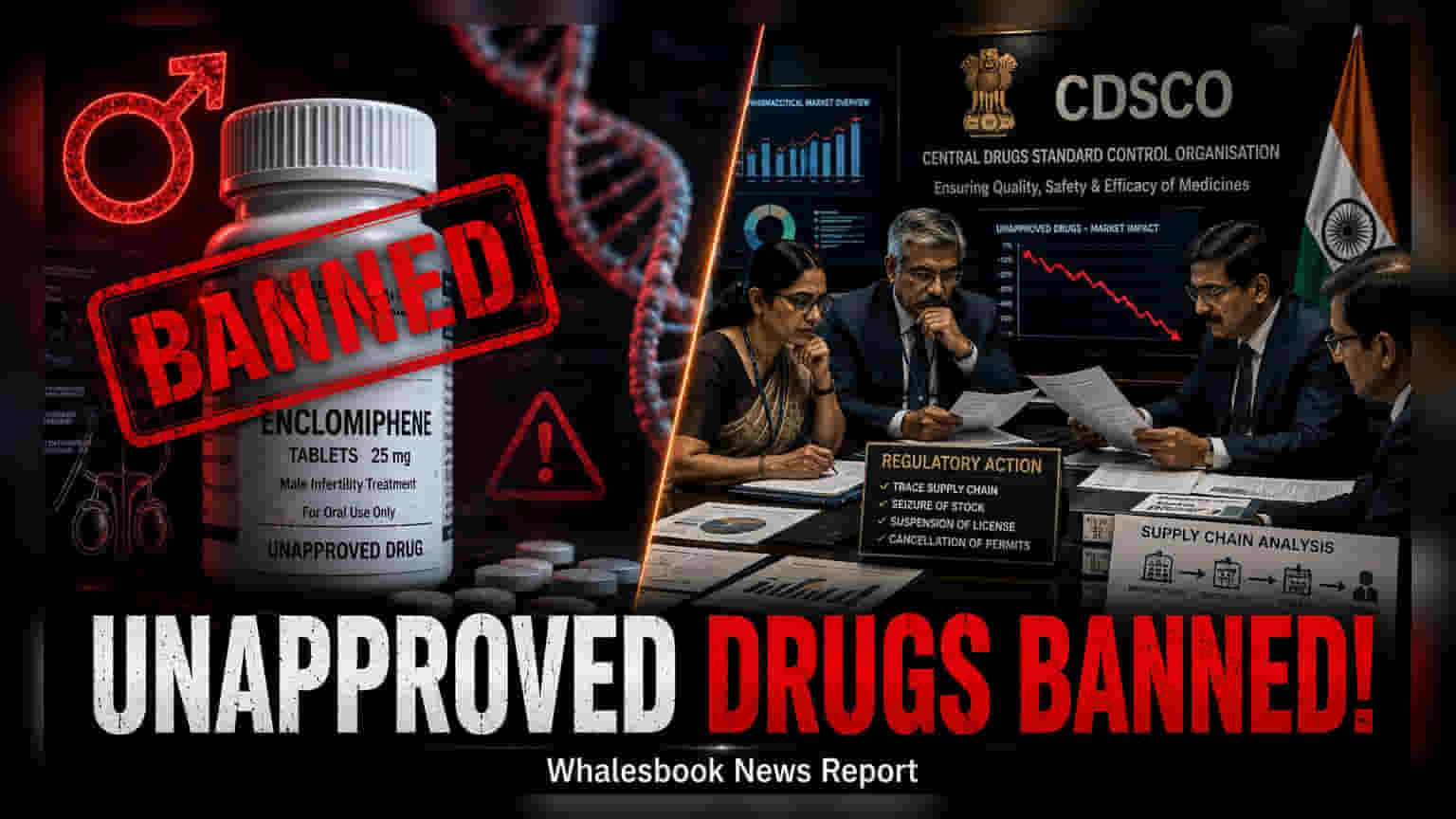
India’s drug regulator, the CDSCO, has ordered a nationwide halt on the sale and manufacturing of unapproved enclomiphene medications. This move targets products used for male infertility that bypassed mandatory safety evaluations, posing significant regulatory and financial risks to manufacturers and distributors involved in the unauthorized trade.
The Central Drugs Standard Control Organisation (CDSCO) has issued a strict directive to drug regulators across all states and Union territories, mandating an immediate stop to the manufacture, distribution, and sale of enclomiphene-based products. This action follows the regulator’s finding that these drugs, which are commonly marketed for male infertility, have not received the required approval from the Central Licensing Authority.
Under the New Drugs and Clinical Trials Rules of 2019, any substance classified as a "New Drug" must undergo rigorous clinical trials and secure central approval before it can enter the market. The CDSCO has confirmed that no enclomiphene-based product has been granted such authorization in India. By bypassing this mandatory evaluation, these medications have effectively entered the supply chain without verified data on their safety, quality, or efficacy.
State drug controllers are now tasked with tracing the entire supply chain, including manufacturers, distributors, and retailers. Authorities have been ordered to take enforcement actions, which may include the seizure of unauthorized stock, suspension of licenses, or cancellation of manufacturing permits for entities found violating the order. Companies involved in this segment face potential revenue loss and significant operational disruption as state regulators intensify inspections and compliance checks.
From a financial and operational standpoint, this crackdown highlights the importance of regulatory compliance in the pharmaceutical sector. For manufacturers, the inability to sell these products means an immediate halt to revenue streams tied to these specific lines. Furthermore, companies may face additional costs related to legal compliance, potential product recalls, and increased scrutiny of their broader product portfolios.
Public health experts have noted that consuming drugs that have not cleared the mandatory regulatory review process carries substantial health risks. Without official testing, there is no guarantee regarding the correct dosage, purity of ingredients, or the absence of harmful contaminants. This directive is part of the regulator's broader effort to tighten oversight across India’s pharmaceutical industry and ensure that all medicines meet strictly defined quality and safety standards.
The most important factor for stakeholders to monitor in the coming weeks will be the scope of the enforcement actions taken by state authorities. The extent of product seizures, the volume of inventory impacted, and whether manufacturers choose to pursue regulatory approval or exit the market segment will determine the long-term impact on the affected entities.