 Whalesbook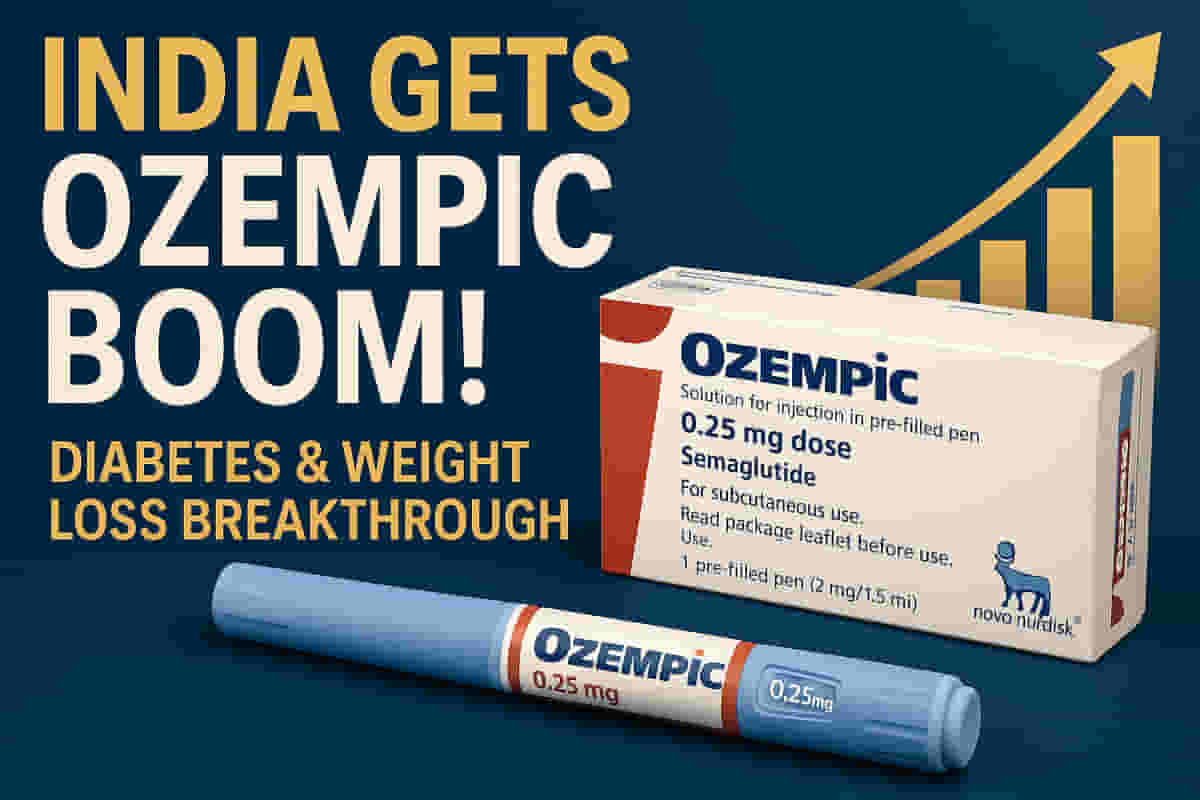
Novo Nordisk to Launch Ozempic in India This Month
Danish pharmaceutical giant Novo Nordisk is set to launch its highly successful diabetes and weight-loss drug, Ozempic, in India this month. This strategic move aims to capitalize on India's rapidly growing diabetes and obesity rates, positioning Novo Nordisk to capture a significant share of the lucrative weight-loss treatment market.
Market Potential in India
India presents a critical battleground for pharmaceutical companies. With the second-highest number of people suffering from type 2 diabetes globally and increasing rates of obesity, the market for effective treatments is substantial. Analysts project the global weight-loss drug market could reach $150 billion annually by 2030, making India a key territory for growth.
Ozempic: A Blockbuster Drug
Ozempic, a once-weekly injectable medication containing semaglutide, was first approved by the US Food and Drug Administration in 2017 for type 2 diabetes. It has since become a global bestseller, widely recognized for its effectiveness in managing blood sugar levels and, significantly, for its appetite-suppressing effects which promote weight loss. Novo Nordisk's other semaglutide-based drug, Wegovy, is specifically approved for weight loss.
Strategic Timing Amidst Competition
Novo Nordisk's decision to launch Ozempic now is a calculated move to establish a strong market presence before the patent on semaglutide expires in March 2026. This expiry will pave the way for cheaper generic versions from Indian drugmakers like Sun Pharma, Cipla, Dr Reddy's, and Lupin, who are actively developing their own semaglutide products. The company aims to leverage its brand reputation and existing foothold in India's diabetes market through products like Rybelsus semaglutide tablets.
Competitive Landscape
The Indian market is competitive. Eli Lilly's Mounjaro, another GLP-1 agonist approved for diabetes and weight loss, has already become India's top-selling drug by value, significantly outselling Novo Nordisk's Wegovy. In response, Novo Nordisk recently reduced the price of Wegovy in India by up to 37%, signalling its commitment to this market.
Analyst Insights
Industry analysts believe Novo Nordisk is well-positioned to push Ozempic due to its strong brand recognition in diabetes care. There is also potential for Ozempic to be prescribed for conditions such as infertility and sleep apnea, in addition to its primary uses.
Impact
- This launch is expected to intensify competition in India's diabetes and weight-loss drug market.
- It presents significant revenue opportunities for Novo Nordisk in a high-growth region.
- Indian generic manufacturers may see increased investment and R&D focus on semaglutide alternatives.
- Patients will gain access to another advanced treatment option for type 2 diabetes and obesity.
- Impact Rating: 7/10
Difficult Terms Explained
- GLP-1 agonists: A class of drugs that mimic the action of a natural gut hormone (GLP-1) to help regulate blood sugar, reduce appetite, and promote weight loss.
- Off-label use: When a drug is prescribed for a condition or patient group that it has not been officially approved to treat by regulatory authorities.
- Patent expiry: The date when the exclusive legal rights to a patented invention (like a drug formula) end, allowing others to produce generic versions.
- Generics: Medications that are bioequivalent to brand-name drugs in dosage form, safety, strength, route of administration, quality, performance characteristics, and intended use, but are typically sold at a lower price.
- Semaglutide: The active chemical compound in Ozempic and Wegovy, belonging to the GLP-1 agonist class.