

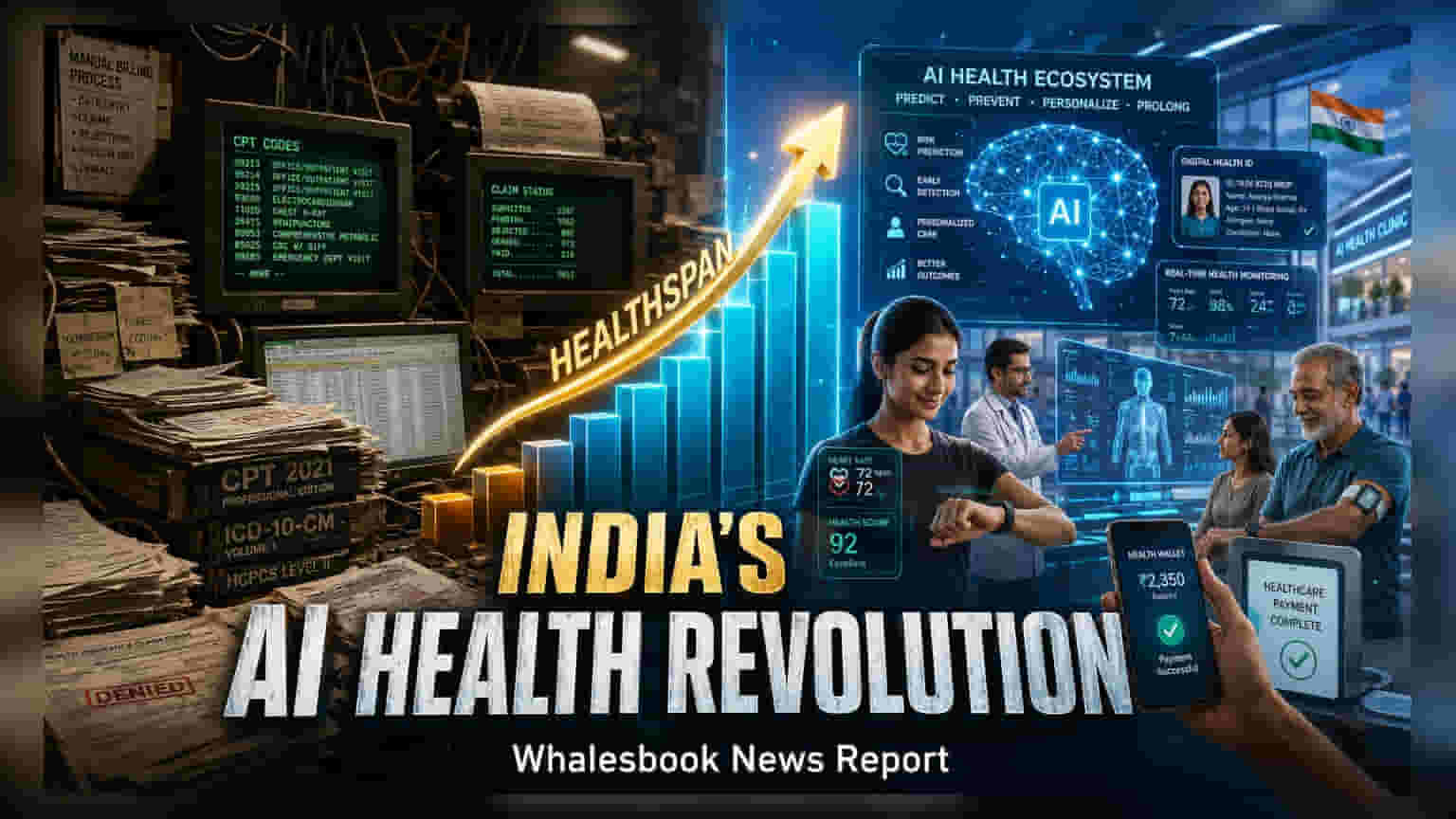
India is leveraging its digital infrastructure, including UPI and the Ayushman Bharat Digital Mission, to create an AI-driven healthcare model focused on prevention. This shift aims to move beyond traditional disease treatment and establish a global model for personalized health innovation.
India’s healthcare sector is undergoing a strategic transformation as it looks to build a preventive health framework powered by artificial intelligence. By utilizing existing digital public infrastructure, the country aims to bypass the legacy administrative and billing systems that often slow down innovation in developed markets. This approach mirrors the nation’s past telecommunications leap, where it moved directly to mobile-first solutions, avoiding the costly and time-consuming build-out of traditional landline networks.
The core of this strategy relies on integrating existing platforms like the Unified Payments Interface (UPI) and the Ayushman Bharat Digital Mission (ABDM). As of early 2026, UPI continues to facilitate a high volume of digital transactions, while the adoption of ABHA accounts has created a foundational health identity for millions. These digital rails, combined with the widespread use of messaging applications, provide a platform for coordinating health services through private labs, clinics, and home-care networks.
Moving Beyond Traditional Disease Treatment
Many Western healthcare systems are constrained by complex coding and billing structures, which prioritize reactive disease treatment over proactive health management. In contrast, the Indian market is characterized by consumer-funded and entrepreneurial private care that is less bound by legacy billing requirements. This agility allows for the faster integration of AI-driven tools focused on metabolic health, early risk identification, and long-term wellness monitoring. By treating health data as a trust asset, the model aims to offer a seamless, AI-orchestrated patient journey that starts with simple digital intake and ends with coordinated care delivery.
Building a Coordinated Care Network
For investors, the potential success of this shift depends on the effective integration of distributed private healthcare providers. The transition toward an AI-native system requires strict adherence to data consent frameworks and a focus on standardizing quality across a fragmented landscape of care providers. The ability to measure outcomes and provide credentialed services will be essential for building trust among consumers.
As this AI-native infrastructure matures, the primary monitorables for the sector will be the pace of adoption by private hospitals and diagnostic chains, the regulatory stability of digital health data usage, and the successful conversion of these preventive health protocols into sustainable revenue models. While the shift holds long-term potential for exporting health intelligence and care protocols globally, the short-term impact will be driven by how effectively private firms can monetize these integrated digital services without facing significant data privacy or execution challenges.