

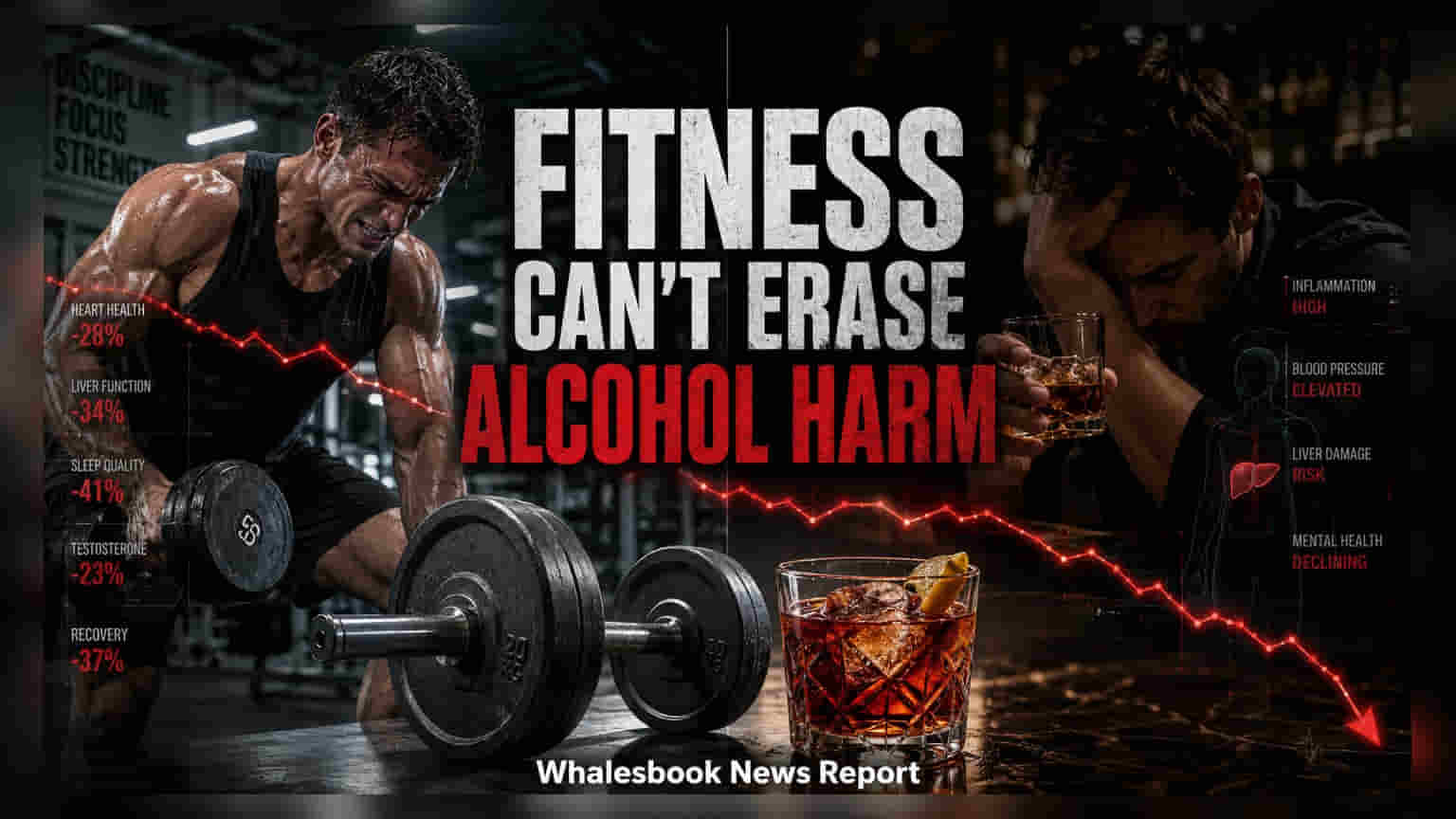
Medical experts have clarified that regular exercise cannot neutralize the negative health effects of alcohol consumption. This evolving consensus aligns with growing health-consciousness among Indian consumers, a trend that investors are increasingly monitoring as it influences long-term consumption patterns in the lifestyle and consumer goods sectors.
Medical experts are actively challenging the common belief that regular physical activity can offset the negative health impacts of alcohol consumption. Doctors, including specialists from major institutions like Fortis Hospital in Noida and Kokilaben Dhirubhai Ambani Hospital in Mumbai, emphasize that alcohol actively hinders the body's recovery processes. Even with consistent gym attendance, consumption can negatively affect fitness progress by increasing visceral fat, impairing muscle repair, disrupting sleep, and slowing metabolism.
The medical consensus on alcohol has shifted significantly in recent years. Older studies that suggested potential health benefits from moderate consumption, such as the antioxidants found in red wine, have been largely superseded by more comprehensive research. The World Health Organization (WHO) currently maintains that no level of alcohol consumption is entirely safe for human health, a stance that is increasingly influencing public discourse.
Impact on Indian Consumer Trends
This shift in health perspective is particularly relevant in the Indian market, where urban professionals and younger demographics are showing a marked increase in health consciousness. While historical trends showed rising alcohol consumption in India, medical professionals warn that this increase places additional strain on a healthcare system already managing high levels of lifestyle-related conditions, such as diabetes and obesity. The cumulative effect of these health concerns is creating a complex environment for the broader consumption sector.
For investors, the evolution of public health awareness is a critical factor in understanding consumer behavior. There is a discernible trend toward premiumization, where consumers are increasingly opting for higher-value products, alongside a rising demand for health-oriented alternatives. As public awareness regarding the long-term risks of alcohol consumption grows, companies in the broader consumer goods and lifestyle space are increasingly focused on adapting to this demand for healthier options.
Long-Term Monitorables
Investors who track the consumer sector often look beyond current sales figures to analyze shifting demographics and lifestyle preferences. While this specific medical guidance is not a direct financial event, the ongoing change in societal attitude toward alcohol acts as a long-term influence on market demand. Key monitorables for the sector include changes in regulatory environments, such as stricter advertising norms or mandatory health warnings, and the speed at which consumers shift their spending toward health-conscious lifestyle products. Understanding these broader shifts remains essential for assessing the long-term sustainability of consumption patterns across the Indian economy.