

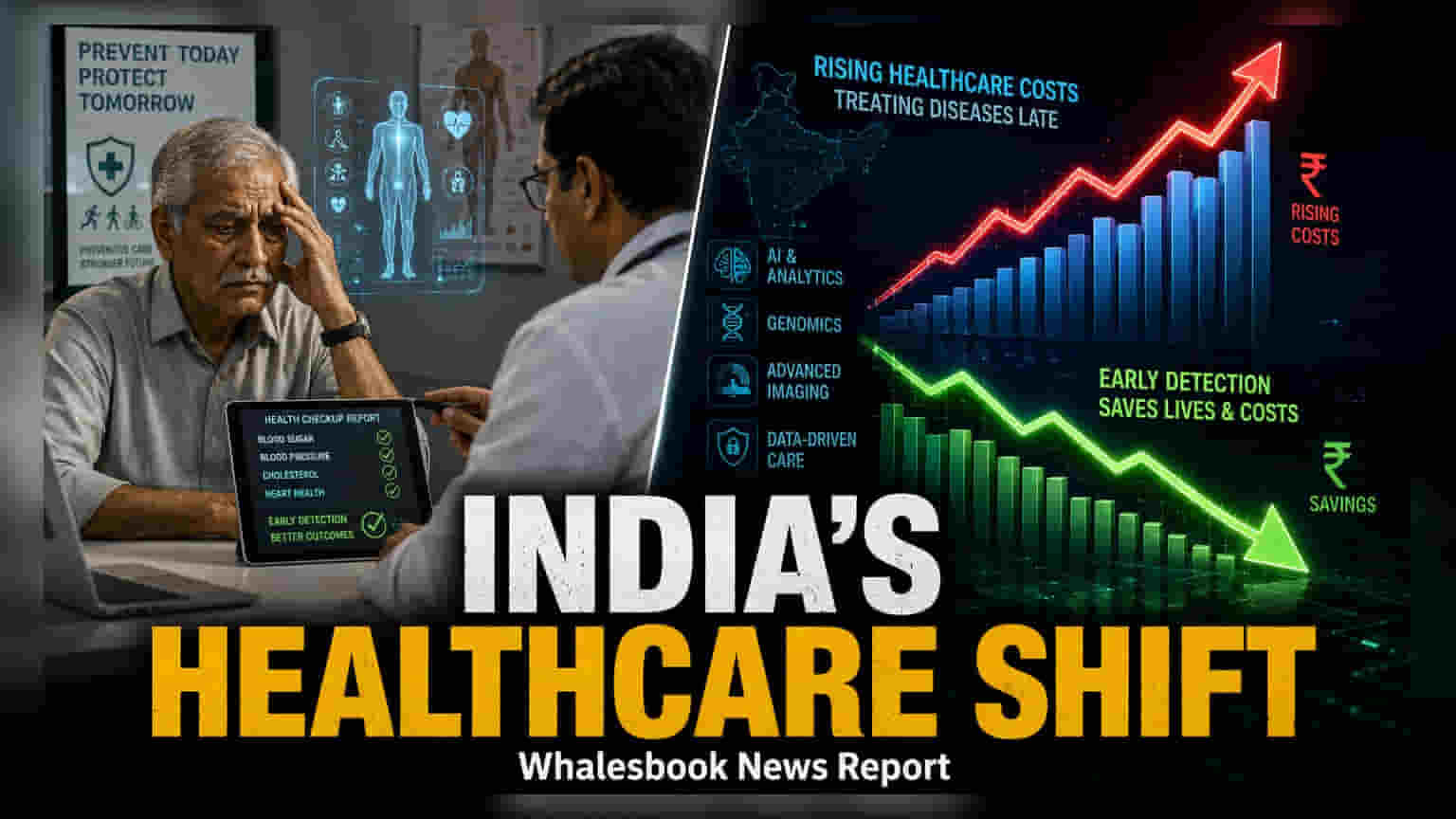
Defence Minister Rajnath Singh has identified preventive healthcare as a key pillar for India's future. For the healthcare sector, this policy shift signals a long-term push toward early detection, which could boost demand for diagnostic services and health-tech solutions. Investors should track how companies adapt to this focus, while keeping an eye on risks like data privacy regulations and implementation costs.
Defence Minister Rajnath Singh has stated that preventive healthcare is the future model for India's medical system, emphasizing a transition from treating established diseases to early detection and proactive prevention. This focus is driven by the need to manage rising treatment costs and an aging population, particularly concerning non-communicable diseases like diabetes, cancer, and hypertension. While this statement reflects government policy rather than a direct corporate announcement, it highlights a significant structural trend that may influence the healthcare industry’s long-term business strategy.
A Strategic Pivot to Early Detection
For investors, this policy direction aligns with the ongoing shift in the healthcare sector toward wellness and early diagnostics. Companies in the diagnostic space and hospital chains are already looking to increase the share of preventive health checkups in their revenue mix. As the focus shifts to catching illnesses before they progress, diagnostic centers may see higher footfalls for regular screenings. Similarly, hospital chains are increasingly integrating preventive care services into their business models to build recurring customer relationships, moving beyond acute care services.
Implications for Healthcare Businesses
The Minister's emphasis on integrating technologies like artificial intelligence, genomics, and advanced imaging suggests a growing market for health-tech solutions. Firms investing in digital health infrastructure and diagnostic innovation could be better positioned to benefit from this government push. However, the business success of these initiatives will depend on several factors, including the ability of companies to scale their services across India's diverse demographic and keep costs accessible.
Risks and Execution Challenges
While the shift to preventive care presents growth opportunities, it also introduces specific business risks. The government has clearly identified the protection of patient data and transparency in technology usage as a priority. This implies that healthcare companies will face stricter regulatory oversight regarding how they handle sensitive health data. Any failure to comply with evolving data privacy standards could lead to reputational damage and legal complications.
Furthermore, the economic viability of large-scale preventive healthcare programs is challenging. Companies must balance the high cost of advanced diagnostic technology with the need for competitive pricing to drive mass adoption. Investors should track how these businesses manage their profit margins while expanding their diagnostic and health-tech capabilities. The ultimate success of this preventive model will depend on execution, demand for checkups, and the ability of the private sector to align its expansion with government healthcare goals.