

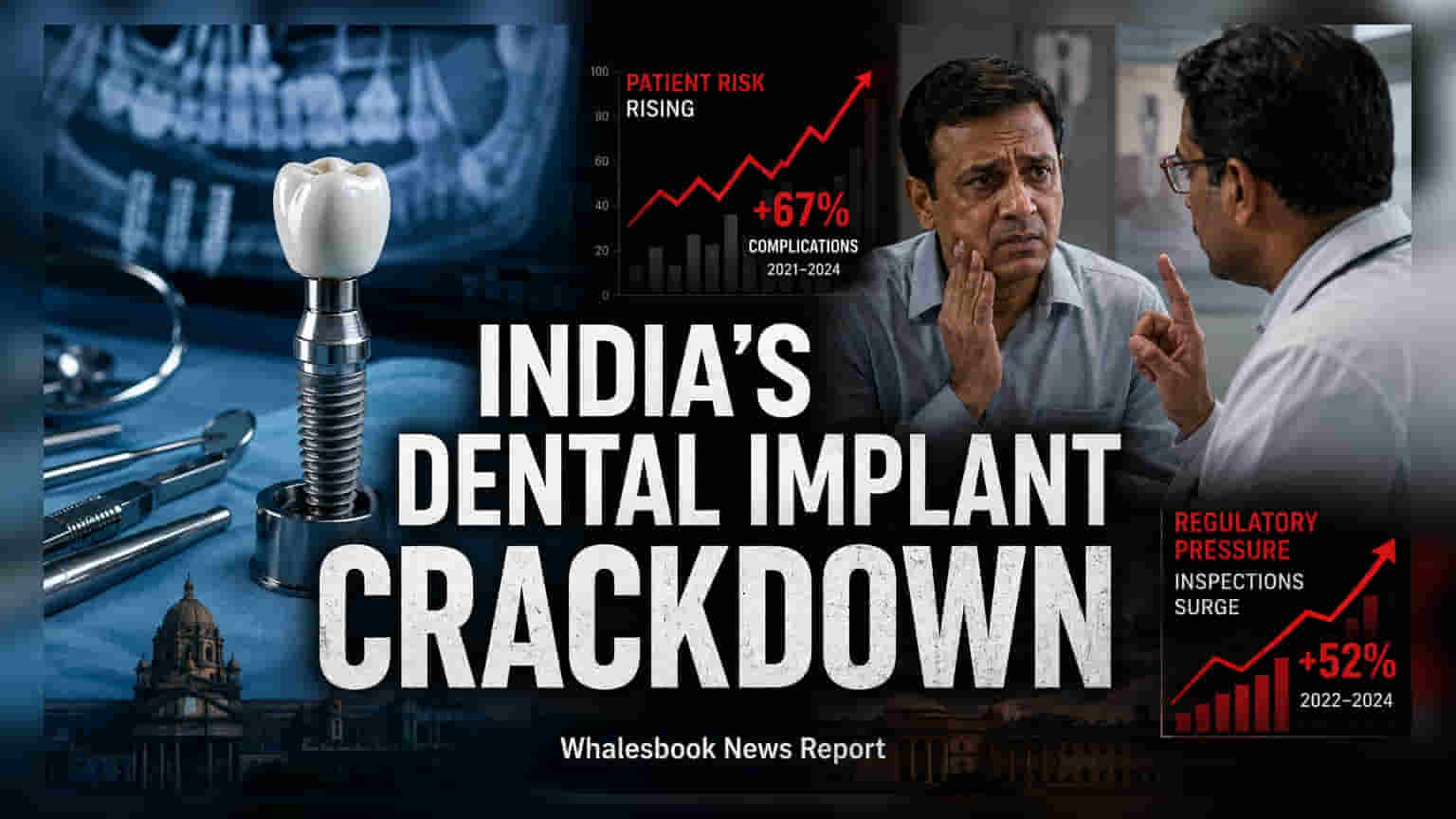
India is planning a national regulatory framework for dental implants to improve patient safety and product quality. The move aims to address concerns regarding the use of low-quality materials and inconsistent standards in the growing dental medical device market.
The Indian government is exploring the creation of a nationwide safety and regulatory framework for dental implants, biomaterials, and related artificial dental systems. This initiative is being considered following concerns raised by Member of Parliament Ajeet Madhavrao Gopchade regarding the current state of the dental implant industry in India. At present, dental implants are often classified under broad categories, leading to a lack of uniform quality and safety standards that govern the manufacture, import, and clinical application of these devices.
Addressing Risks in Dental Procedures
Dental implants are increasingly used for complex medical procedures, including oral cancer rehabilitation and facial reconstruction, beyond standard tooth replacement. Because these products are long-term implantable medical devices, any failure in material quality, sterility, or structural integrity can lead to significant health complications for patients. These may include bone loss, chronic infections, implant fractures, or damage to nerves, often resulting in the need for complex corrective surgeries. The current market environment is marked by a lack of clear traceability and the presence of non-standardized products, which complicates patient safety.
Regulatory Benchmarks and Potential Impact
To address these gaps, there is a push to align Indian standards with global benchmarks found in countries like the United States, the United Kingdom, and Australia. These nations already enforce strict testing protocols, product traceability, and specific training requirements for practitioners. The proposed expert committee, if formed, would evaluate how to implement similar rigorous oversight in India. For the dental and medical device sector, this move could lead to a shift toward higher manufacturing standards and more structured clinical practices.
For investors, the key monitorable will be how these regulations affect companies involved in the manufacturing, import, and distribution of dental biomaterials and implant systems. Increased compliance requirements may lead to higher operating costs for smaller players and those relying on unverified imports, while potentially favoring larger, established firms with existing quality control systems. Investors should track future official announcements regarding the composition of the expert committee and any subsequent policy changes, as these will define the timeline and strictness of the new regulatory environment.