

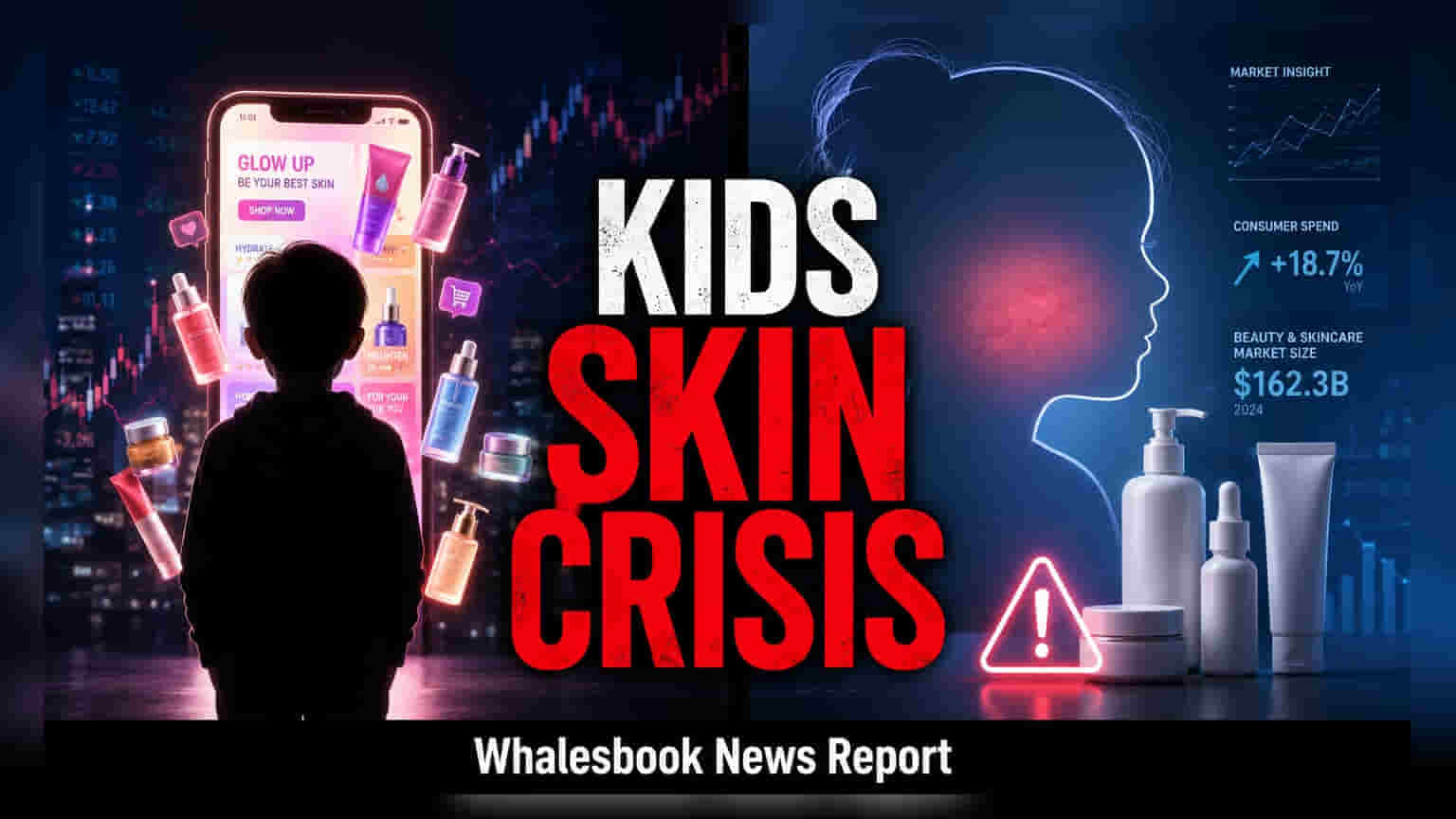
Generation Alpha's increasing interest in complex skincare, often called 'cosmeticorexia,' is reshaping beauty industry dynamics. While this trend boosts demand and household spending, companies now face significant regulatory, reputational, and health-related risks that investors should monitor closely.
The rise of 'cosmeticorexia' among Generation Alpha—children born between 2010 and 2024—is creating a new dynamic in the beauty and personal care industry. Driven by social media trends and 'Get Ready With Me' content, children as young as 10 are increasingly adopting complex skincare routines involving products often intended for adult skin, such as anti-aging serums and potent exfoliants.
From a market perspective, this shift has turned Generation Alpha into influential participants in the consumer economy. Research data from 2026 shows that this age group is not only demanding specific beauty products but is also significantly influencing total household spending in the category. For FMCG companies and beauty retailers, this represents a growing consumer base that is entering the beauty category earlier than previous generations.
However, this rapid growth brings verified business and operational risks. Dermatologists have raised alarms regarding the use of ingredients like retinol, salicylic acid, and vitamin C on young, developing skin. Experts note that these ingredients can damage a child's skin barrier, leading to irritation, acne flare-ups, and long-term health concerns. For consumer brands, this creates a potential reputational risk. Companies that are perceived as aggressively marketing adult-targeted or potent products to children may face consumer backlash and loss of brand trust.
Furthermore, there is a looming regulatory risk. As concerns regarding the marketing of beauty products to minors gain traction, FMCG companies may face closer scrutiny or future government regulations regarding product labeling, advertising practices, and age-appropriate guidelines. Businesses that heavily rely on social media influencers to drive demand among this demographic could find their growth strategies vulnerable if regulations tighten or if public sentiment shifts against the promotion of 'anti-aging' products to children.
Investors should monitor how listed FMCG companies and beauty retailers navigate these challenges. The key monitorable will be whether brands focus on safer, age-appropriate product lines or continue to push high-intensity treatments to the younger demographic. Additionally, tracking any shifts in marketing spend and regulatory updates related to children's skincare will be important for assessing the long-term sustainability of this revenue stream. While the trend offers a new growth avenue, the success of companies in this space will depend on balancing short-term sales demand with responsible product positioning and management of potential social or regulatory blowback.