

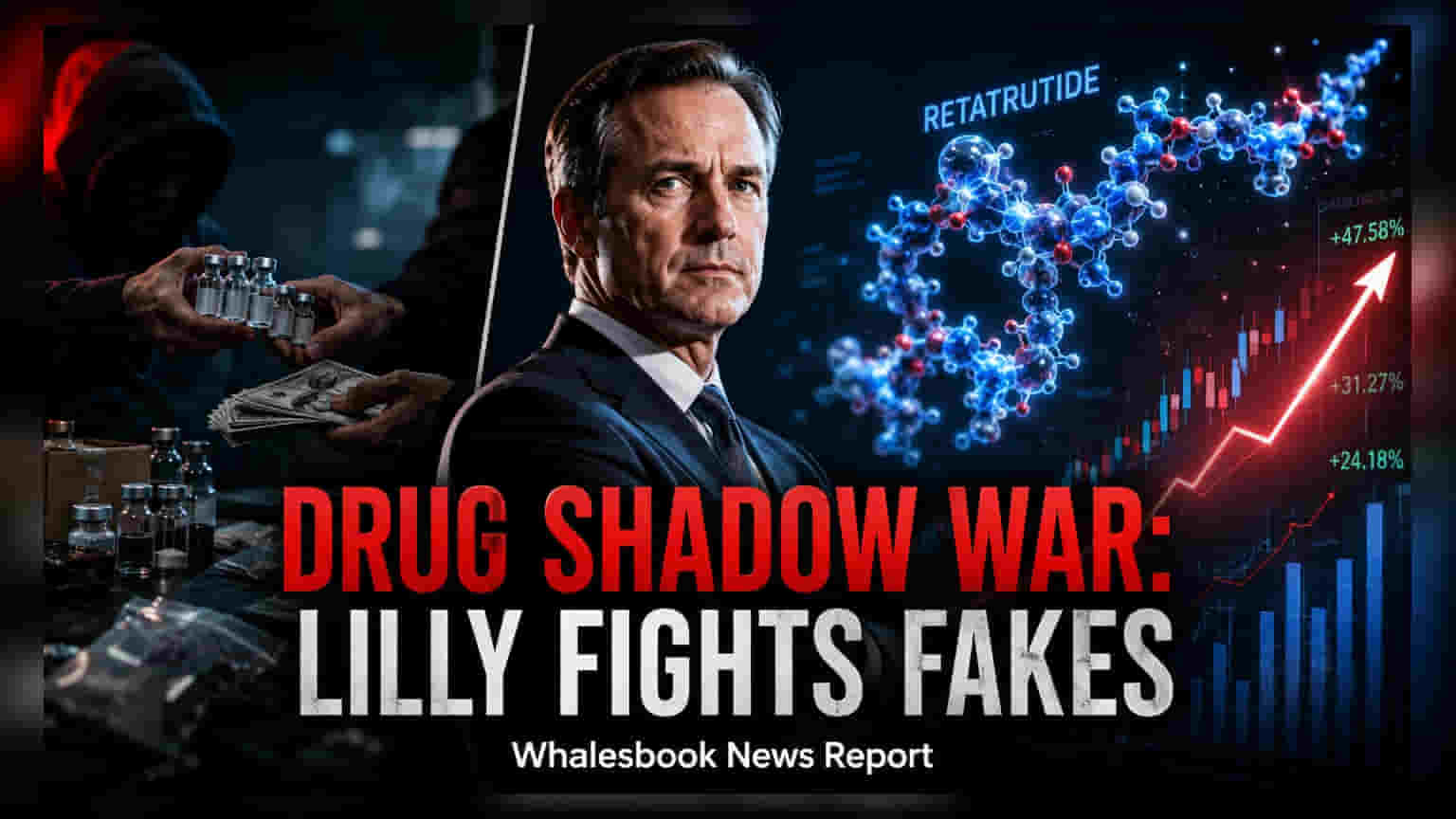
Eli Lilly has filed lawsuits against U.S. companies selling illegal, unapproved versions of its experimental weight-loss drug, retatrutide. The move aims to protect the drug's reputation and consumer safety ahead of its potential launch. Despite strong Q2 2026 earnings, the company's stock dipped roughly 0.8% on August 12, 2026, amid concerns over the rising black market.
Eli Lilly & Co. is escalating its legal campaign against the illicit sale of retatrutide, an experimental weight-loss medication. The company filed six new lawsuits against U.S.-based entities, including compounding pharmacies and online sellers, on August 12, 2026, citing significant public health risks and the unauthorized nature of these products. Retatrutide is currently in Phase 3 clinical trials and has not received regulatory approval for human use.
The pharmaceutical company is urging regulators, payment processors, and digital platforms to intervene in the distribution of these unapproved substances. This aggressive stance is part of a broader effort to protect the drug's reputation, as Eli Lilly views retatrutide as a critical component of its future growth, with sales projections exceeding $5.4 billion annually by 2030.
For investors, the primary concern is the potential damage to the brand's integrity before the product reaches the commercial market. The U.S. Food and Drug Administration (FDA) has explicitly stated that compounding retatrutide is illegal, yet the company continues to identify thousands of unauthorized listings globally. While the legal costs and resources dedicated to this "whack-a-mole" effort are substantial, they are necessary to mitigate the risk of adverse safety events linked to counterfeit versions.
Financially, Eli Lilly remains in a strong position. In its recent second-quarter earnings report for 2026, the company posted revenue of $23.0 billion, a 48% year-over-year increase, and raised its full-year revenue guidance to between $85.0 billion and $87.0 billion. This financial strength allows the company to fund these extensive legal and regulatory battles.
On the market front, Eli Lilly's stock price experienced a modest decline of approximately 0.8% on August 12, 2026. This reaction suggests that while the market acknowledges the company's strong performance, it is also sensitive to risks such as potential regulatory hurdles and the challenges of managing brand reputation in a crowded weight-loss market. The company's situation is comparable to that of peer Novo Nordisk, which has also faced difficulties with counterfeit versions of its own popular weight-loss treatments, Wegovy and Zepbound.
Looking ahead, investors should monitor the company's success in curbing illegal sales and watch for official updates regarding Phase 3 trial results and subsequent FDA application timelines. The company expects to seek approval early next year, and the ability to maintain a controlled supply chain will be a key factor for long-term growth.