

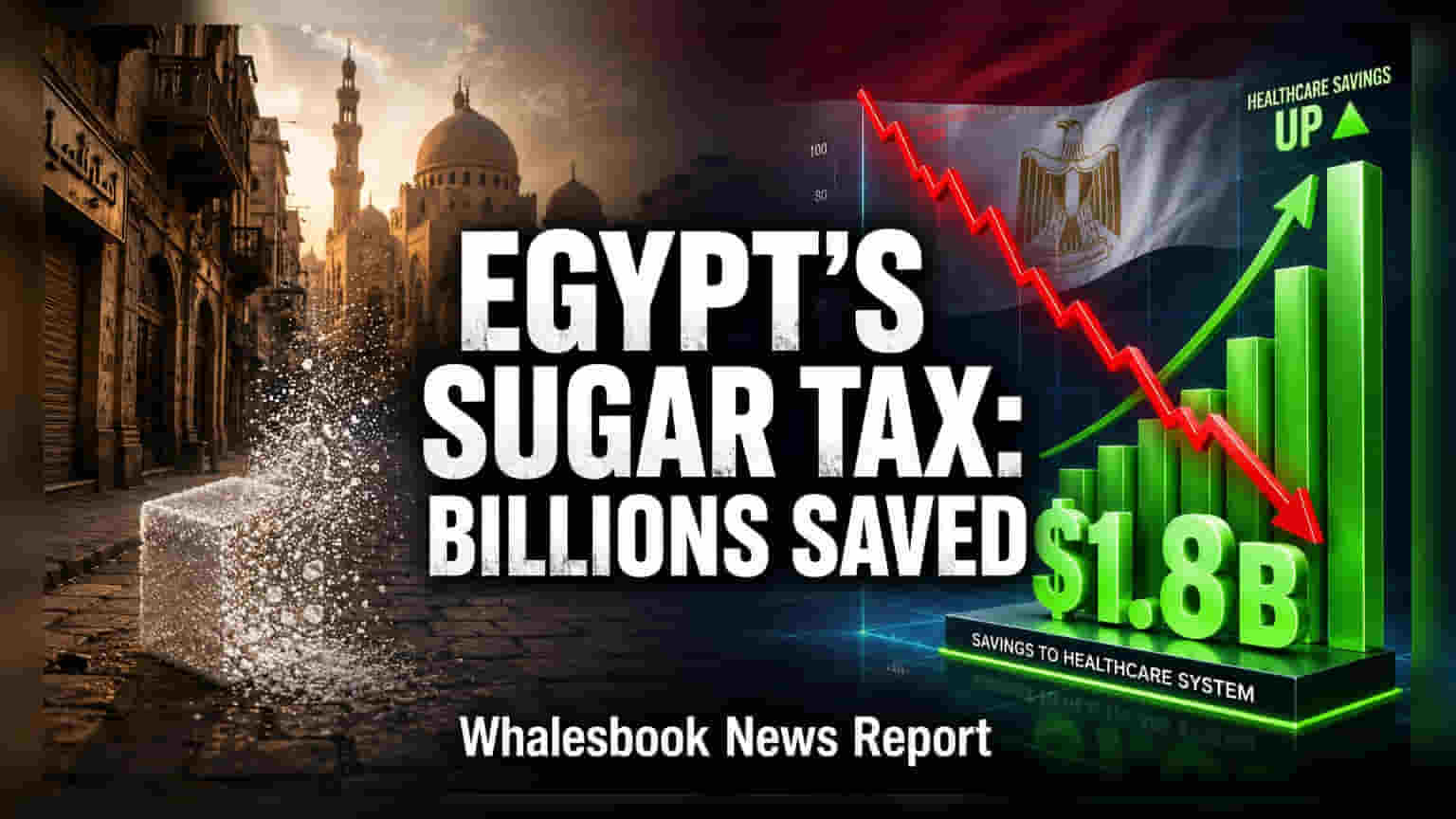
A new health study suggests that a 20% tax on sugary beverages in Egypt could prevent hundreds of thousands of disease cases over 25 years. This policy could save approximately $1.8 billion in healthcare costs, offering a potential model for governments managing rising health budgets and obesity-related expenses.
Detailed Coverage
A new economic study has highlighted the potential for a 20% excise tax on sugar-sweetened beverages to significantly improve public health outcomes in Egypt. By increasing the price of these drinks, the model projects a shift in consumer behavior that could lead to a substantial reduction in the incidence of non-communicable diseases. The research indicates that such a measure could prevent approximately 350,000 cases of obesity, 250,000 cases of type 2 diabetes, and 56,000 cases of heart disease over the next 25 years.
Economic and Public Health Impact
The proposed policy targets a reduction in population-level calorie intake. The economic model estimates total healthcare cost savings of around $1.8 billion, a figure that represents about 8% of Egypt’s current annual health budget. These savings are derived from direct medical expenditures, excluding broader economic benefits such as reduced lost wages or improved workforce productivity. Health economists suggest that the tax could generate over 1.6 million healthy life years, a metric that accounts for both the duration and quality of life.
Challenges and Market Context
While the study emphasizes the benefits, it also notes that the actual effectiveness of such a tax depends on consumer behavior. A potential risk is that consumers may switch to alternative high-sugar products that are not covered by the tax, which could limit the intended health benefits. Furthermore, the study relies on price sensitivity data that reflects broad trends, and actual outcomes may vary across different income demographics.
Regional Comparisons
Egypt’s situation is part of a growing trend across Africa where non-communicable diseases are placing increased pressure on public health systems. Other nations have already taken steps to address this. For example, South Africa introduced a Health Promotion Levy in 2018. Reports on the South African experience indicate that the tax contributed to a measurable reduction in the purchase of taxed beverages, particularly among lower-income households. This suggests that price-based interventions can be an effective tool for health policy, provided that regulatory frameworks are well-designed and monitored.
What Investors Should Monitor
For stakeholders and investors interested in the healthcare and beverage sectors, the key monitorable will be potential government policy shifts in North Africa and the broader continent. Future developments to track include whether Egyptian authorities initiate legislative discussions regarding specific excise taxes on sugary drinks, and how such changes might impact the product portfolios or pricing strategies of major beverage manufacturers operating in the region. Investors may also observe whether these health initiatives lead to increased government spending on wellness and preventative care infrastructure.