

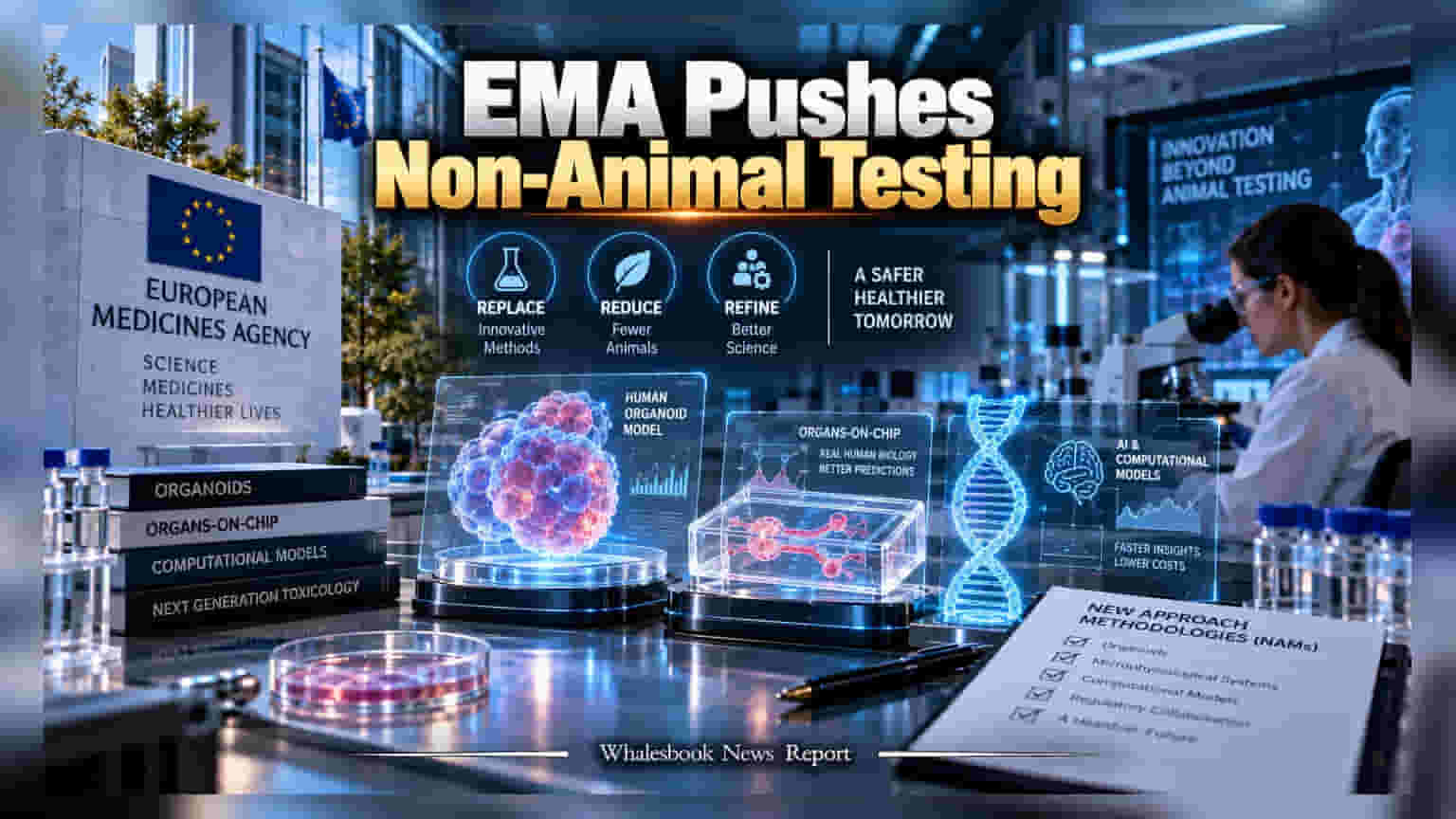
The European Medicines Agency has launched a voluntary pilot program, running through the third quarter of 2027, to integrate advanced non-animal testing methods into drug development. This initiative allows developers to share data from computational models and organoids with regulators. For investors, this marks a shift in global R&D standards that may impact long-term costs and compliance strategies for pharmaceutical companies and research firms.
The European Medicines Agency (EMA) has officially launched a voluntary data submission pilot program, aiming to accelerate the integration of New Approach Methodologies (NAMs) into the pharmaceutical research and development cycle. The program, which started in September 2026, allows companies to submit testing data from advanced technologies—such as organoids, microphysiological systems, and computational models—directly to regulators outside the standard marketing authorization process.
For many pharmaceutical and biotechnology firms, this is a significant step toward aligning global research practices with the 3Rs principles: replacing, reducing, and refining animal testing. By centralizing this information, the EMA intends to build institutional confidence in these newer, often more efficient, testing technologies. If successful, this framework could eventually help firms shorten the time and reduce the costs involved in bringing new drugs to market.
It is important to note that this pilot is voluntary and non-binding. The feedback provided by the expert panel is non-decisional, meaning it does not guarantee regulatory approval or provide a shortcut for product dossiers in the future. Because scientific validation for these methods remains highly dependent on the specific drug, indication, and development stage, this initiative is an exploratory effort rather than an immediate change in mandatory testing requirements.
The pharmaceutical sector, including major drug makers and Contract Research Organizations (CROs) that serve global clients, faces a complex regulatory landscape. Compliance with evolving European standards is a critical part of the business model. While this pilot does not create immediate financial or regulatory mandates, it signals that global regulators are actively seeking to shift away from traditional animal-based testing. Companies that are already investing in high-tech testing infrastructure and artificial intelligence models may be better positioned to adapt as these standards evolve.
The pilot program is open for submissions through the third quarter of 2027. Following this, the EMA plans to release a comprehensive report summarizing the findings. The primary update for stakeholders in the coming months will be the participation levels among large pharmaceutical firms and how this data-sharing initiative eventually influences future regulatory guidelines on drug safety assessments.