

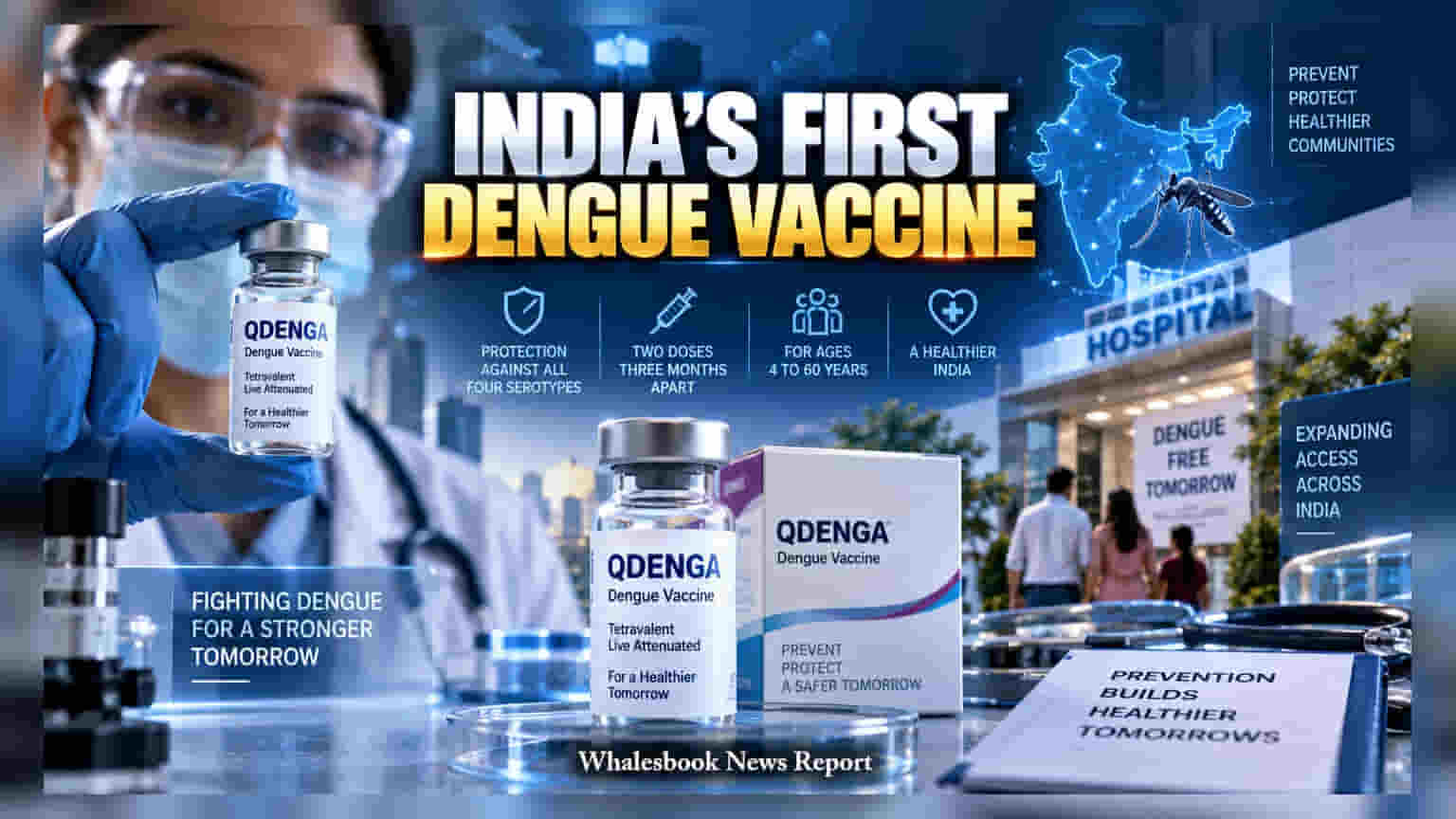
Dr. Reddy's Laboratories has secured an exclusive agreement with Takeda to distribute the QDENGA dengue vaccine in India's private market starting in the first half of 2027. This partnership allows Dr. Reddy's to grow its vaccine portfolio with no initial financial outlay. Investors may monitor the vaccine's adoption in the private sector and its role in addressing India's high dengue burden.
Dr. Reddy's Laboratories is set to introduce QDENGA, India’s first approved dengue vaccine, to the private healthcare market in the first half of 2027. Under a new partnership with Takeda, Dr. Reddy's will handle the exclusive promotion and distribution of the vaccine across India. Takeda will retain the rights to manufacture and import the product, as well as manage all commercialization in the public market.
Financial and Strategic Impact
A notable aspect of this agreement for investors is the capital structure. The partnership does not require Dr. Reddy's to pay any upfront consideration or milestone payments to Takeda. This limits the initial financial risk for the company while allowing it to add a high-potential product to its preventive healthcare segment. The company's future revenue from this deal will be tied directly to the commercial success and market adoption of the vaccine once it becomes available to patients.
Addressing the Dengue Burden
India has consistently faced a high number of dengue cases, making the launch of a preventive option a significant development for the public health sector. QDENGA is designed as a live-attenuated tetravalent vaccine, which means it offers protection against all four known dengue virus serotypes. The vaccination schedule involves two doses administered three months apart. The vaccine is currently approved by the Central Drugs Standard Control Organization for individuals between 4 and 60 years old.
Market Outlook and Monitorables
While the vaccine is the first of its kind to be approved in India, its commercial impact will depend on several factors that investors should track closely. Private market adoption will be influenced by public awareness, doctor recommendations, and the final price point for the two-dose course. Given that private immunization in India is often driven by physician engagement and patient awareness, Dr. Reddy's initiative to focus on awareness programs ahead of the 2027 launch will be a key factor to watch.
Competition in the vaccine space remains a dynamic landscape. While Takeda has distributed millions of doses globally across 43 countries, the Indian market often reacts differently to premium healthcare products. Investors will need to observe how efficiently the company builds its distribution network and manages the logistical requirements of a two-dose immunization schedule. Any future government interest in including the vaccine in public immunization programs could also change the long-term outlook for the product in India.