 Whalesbook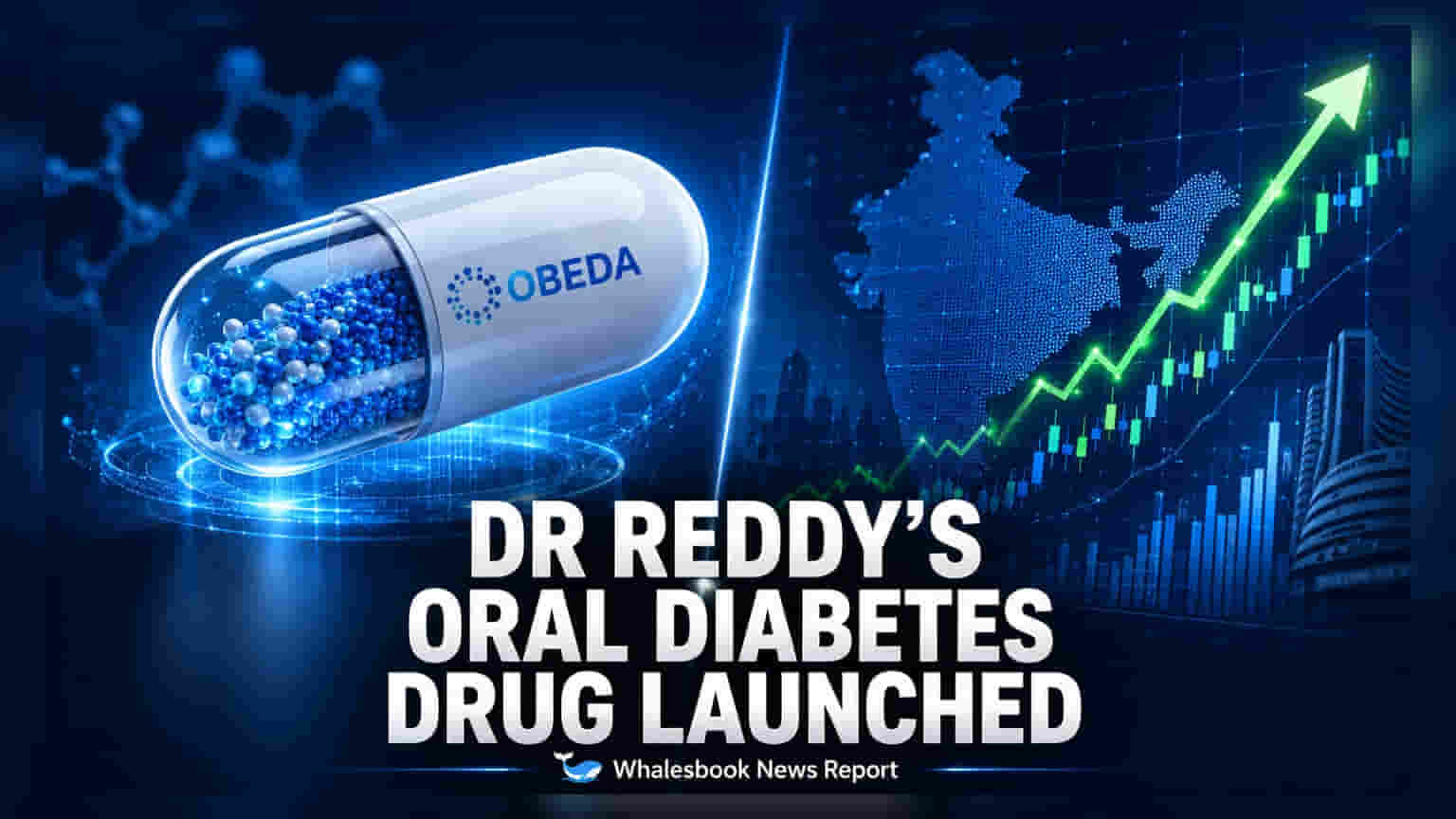


Oral Diabetes Treatment Launched in India
Dr. Reddy's Laboratories has introduced Obeda, an oral semaglutide biosimilar, for Type 2 diabetes management in the Indian market. This daily tablet comes in 3 mg, 7 mg, and 14 mg doses, priced at Rs 99, Rs 135, and Rs 225 respectively. The company aims to improve patient access and affordability with this launch.
The introduction of Obeda marks a strategic expansion for Dr. Reddy's in the glucagon-like peptide-1 receptor agonist (GLP-1 RA) market. The company highlighted its in-house development process, emphasizing consistent quality and supply to support diverse patient needs. This launch directly addresses the market for existing oral semaglutide treatments and upcoming generic alternatives.
The Indian GLP-1 receptor agonist market was valued at approximately USD 110.55 million in 2024. It is projected to grow significantly, with a compound annual growth rate of 34.3% anticipated between 2025 and 2030, driven by increasing rates of diabetes and obesity.
Market Dynamics and Competition
Following the expiry of semaglutide patents, the Indian pharmaceutical sector is experiencing increased activity in the GLP-1 RA market. Torrent Pharma has become a key player in the generic semaglutide space, holding around 38% of the market share by value as of April 2026. Dr. Reddy's currently holds an estimated 8-10% share.
Oral semaglutide has seen strong patient adoption, with Rybelsus capturing a significant portion of the market. Dr. Reddy's Obeda aims to challenge Novo Nordisk's Rybelsus and secure a share of the expanding generic oral semaglutide segment.
The total semaglutide market in India experienced rapid growth, increasing from Rs 48 crore in February 2026 to Rs 88 crore in April 2026. Generic versions are rapidly gaining traction.
Dr. Reddy's reported a P/E ratio of approximately 19.5x based on its fiscal year 2025 earnings, reflecting investor confidence. However, recent Q1 FY26 earnings showed revenue growth of 11.38% alongside rising expenses, which impacted profit margins.
Challenges and Margin Pressure
Despite the strategic launch, Dr. Reddy's faces market pressures. The company's Q1 FY26 earnings report noted a 350 basis point year-over-year decrease in gross profit margin. This was attributed to price erosion within the generic segment and lower operating leverage.
The Indian pharmaceutical industry is expected to grow at 10% annually for the next three years, but Dr. Reddy's revenue growth is projected at a slower 4.2% per annum.
The generic semaglutide market is highly competitive, with over 50 companies active since patent expiry. Dr. Reddy's also recently launched its generic semaglutide injection in Canada, which, while expanding its global reach, may also spread its focus and resources.
The company's P/E ratio has varied, with recent figures around 26.87 and 25.99. This suggests potential overvaluation if earnings growth does not match market expectations, especially with intense competition and ongoing price erosion.
Dr. Reddy's Q1 FY26 results showed revenue growth, but net profit increased by only 1.29% year-on-year, indicating the impact of higher costs.
Future Growth Strategy
Dr. Reddy's plans to drive future growth by expanding its global presence and developing specialized products, while focusing on operational efficiencies. The launch of Obeda in India and the recent introduction of generic semaglutide injections in Canada align with this strategy.
With a significant presence in North America, which contributes about half of its generics sales, Dr. Reddy's is positioned to leverage these new product launches.
Analysts generally maintain a Buy rating on Dr. Reddy's stock, with a price target of $16.90. Some sentiment analysis, however, indicates a Neutral stance due to weakening fundamentals, such as margin compression.
The company remains committed to providing advanced, high-quality, and affordable GLP-1 therapies to patients worldwide as a key part of its expansion strategy.