 Whalesbook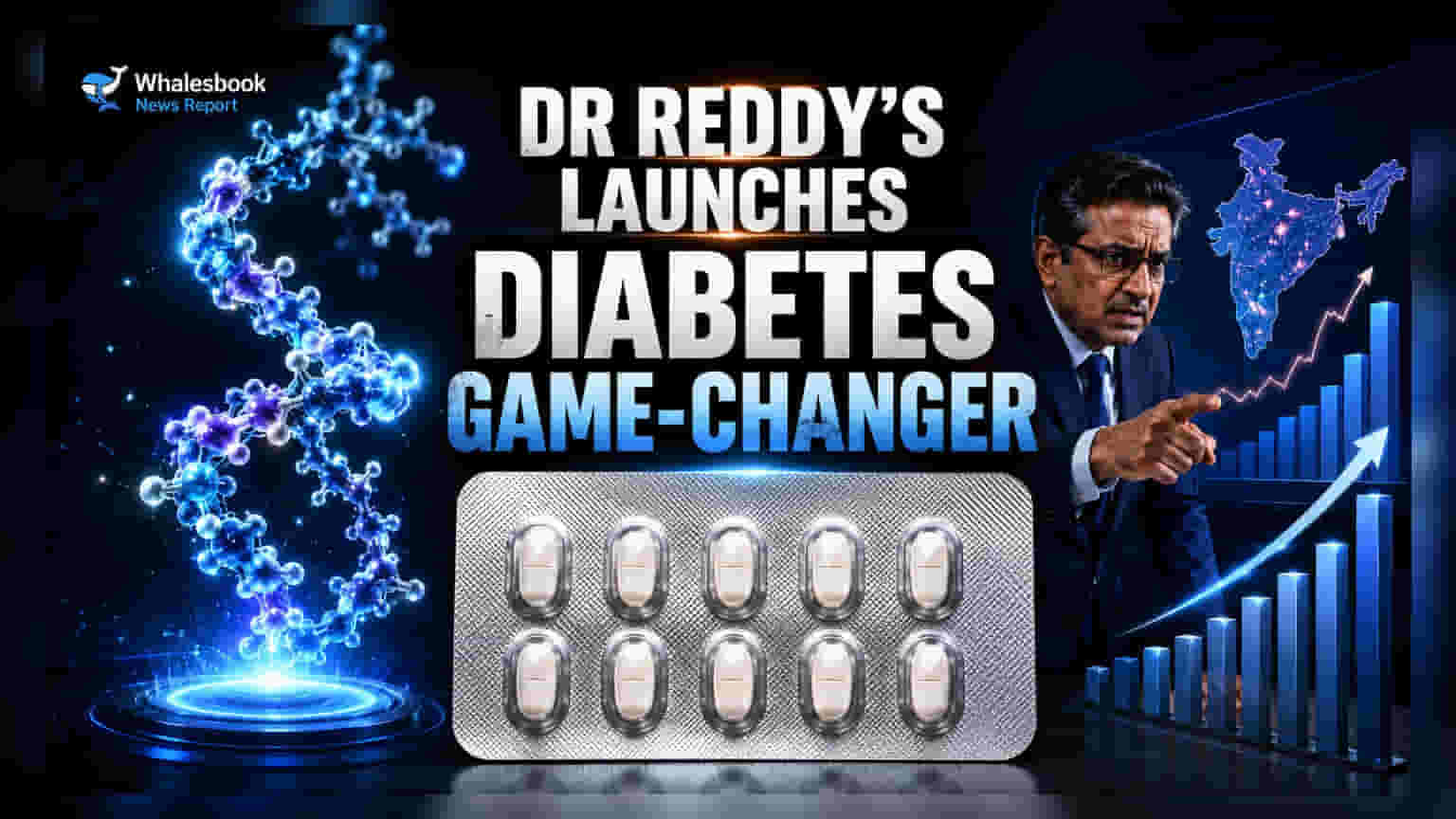


Oral Semaglutide for Diabetes Now Available in India
Dr. Reddy's Laboratories has released Obeda, its oral semaglutide biosimilar, in India. This daily tablet is designed for type 2 diabetes mellitus and significantly broadens Dr. Reddy's portfolio of GLP-1 receptor agonists. The drug's approval followed a Phase III clinical study conducted in India. This study confirmed that Obeda is at least as effective and has a safety profile comparable to the original oral semaglutide drug. Key findings showed similar improvements in fasting plasma glucose, post-prandial plasma glucose, weight loss, and HbA1c levels. No anti-drug antibodies were detected.
Obeda will be offered in 3 mg, 7 mg, and 14 mg doses. The prices are set at ₹99, ₹135, and ₹225 respectively for these strengths. This launch allows Dr. Reddy's to enter India's large diabetes market.
India's Growing Diabetes Market and Competition
India has a significant diabetes problem, with over 101 million adults diagnosed and a prevalence rate of 11.4%. An additional 136 million people are in the prediabetic stage. The market for GLP-1 therapies in India is changing quickly.
While Novo Nordisk's Rybelsus has been a leading oral semaglutide, patent expirations in India around March 2026 have led to strong competition from generic manufacturers. Torrent Pharma has become a major player in the generic semaglutide market, holding 38% share as of April 2026. Dr. Reddy's has secured about 8-10% of this market in the same period.
Despite the competition, sales for oral semaglutide have grown, rising from ₹24 crore in February 2026 to ₹27 crore in April 2026. Dr. Reddy's plans to use its in-house development and manufacturing expertise to ensure a steady supply of quality medication.
The company's stock has traded between $12.19 and $16.17 over the past 52 weeks. Its P/E ratio is around 23-26, which reflects market expectations for growth within the pharmaceutical sector. This valuation is higher than the broader market average of 44.47 but is similar to its sector average of 20.63.
Challenges from Price Wars and Margin Pressure
Despite addressing a key medical need, Dr. Reddy's faces significant challenges in India's semaglutide market. The recent entry of many generic competitors, with over 50 brands expected, is likely to cause sharp price decreases. Reports suggest that generic semaglutide prices might be 60% to 70% lower than the original drug. Some Sun Pharma generics are reportedly priced as low as ₹750 per weekly injection. Dr. Reddy's has priced its version at approximately ₹4,200 per month.
Furthermore, the company's financial results show shrinking profit margins. Gross margins fell to 44.8% in Q4 FY26 and dropped to 52.8% for the full year, down from 58.5% the previous year. Net income for FY26 also decreased by 24.22%. This difficult pricing environment and falling profitability could affect Obeda's long-term financial contribution to Dr. Reddy's, particularly as the market becomes crowded with more affordable options.
Future Plans: Wider Access and Global Reach
M.V. Ramana, CEO of Dr. Reddy's, stated that the launch of Obeda is a step towards making advanced diabetes treatment more accessible in India. The company is committed to providing a reliable supply and consistent quality through its own development processes.
Looking beyond India, Dr. Reddy's has recently launched its generic semaglutide injection in Canada, making it the first of the G7 nations to approve such a GLP-1 therapy. This aligns with Dr. Reddy's strategy to expand access to affordable diabetes treatments globally. The company plans to enter markets including Canada, Turkey, and Brazil.
Analysts currently rate Dr. Reddy's Laboratories as 'Hold,' with an average price target indicating about 24.1% potential upside from its current stock price.