

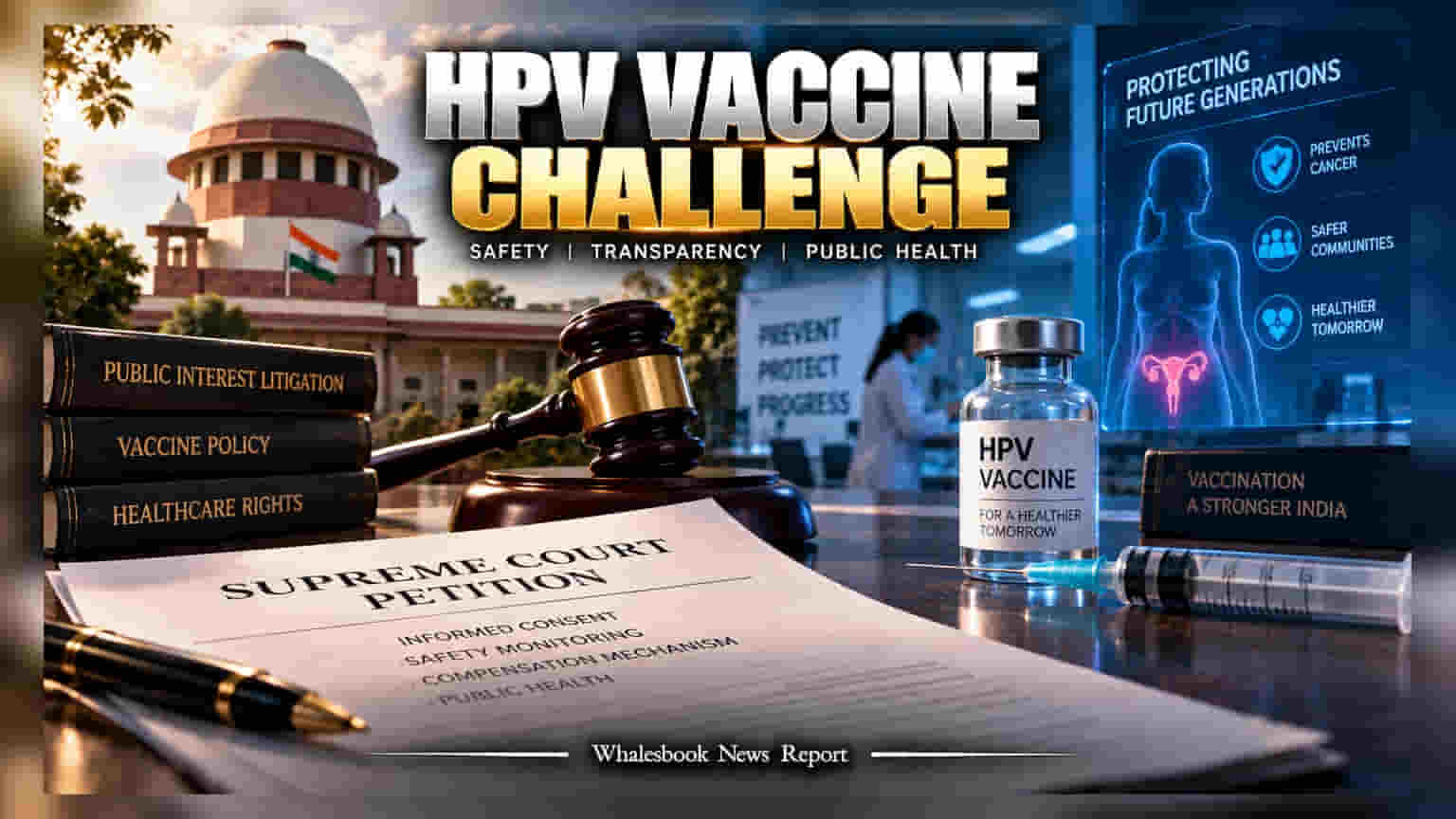
The Delhi High Court has dismissed a petition seeking to pause the national HPV vaccination program. Government data submitted in the case reported 120 adverse events out of 5.6 million doses, with no deaths, leading the court to conclude there was no immediate harm.
The Delhi High Court, in a ruling issued in late July 2026, dismissed a public interest litigation (PIL) that sought to stop the nationwide rollout of the Human Papillomavirus (HPV) vaccination program. The petitioners had requested an immediate suspension of the initiative, raising concerns over procedural transparency and safety monitoring.
During the proceedings, the government presented data regarding the program's safety profile. Official reports indicated that approximately 5.6 million doses had been administered across the country, with 120 adverse events following immunization recorded. No fatalities have been linked to the vaccine in the reported data. Based on these figures, the court observed that there was no evidence of immediate harm to public health that would justify a stay on the government's drive.
The challenge, which was brought forward by groups including the Universal Health Organisation and Dr. Sujata Mittal, centered on specific procedural issues. The first was the necessity for a more rigorous informed-consent protocol, ensuring that parents and participants are fully aware of potential risks. The second issue involved the absence of a dedicated vaccine injury compensation mechanism, which the petitioners argued is essential for maintaining public trust in mass immunization efforts.
For the broader healthcare sector, such legal challenges highlight the importance of transparency in public health initiatives. While the court's decision allows the program to continue, the ongoing dialogue regarding surveillance and compensation frameworks remains a point of focus for health observers. Investors and market analysts often monitor these developments, as public health policy decisions can influence the long-term outlook for vaccine manufacturers, such as those producing Gardasil, and the general uptake of immunization programs. The sector may continue to face scrutiny regarding the operational details of how vaccine safety is monitored and communicated to the public.