

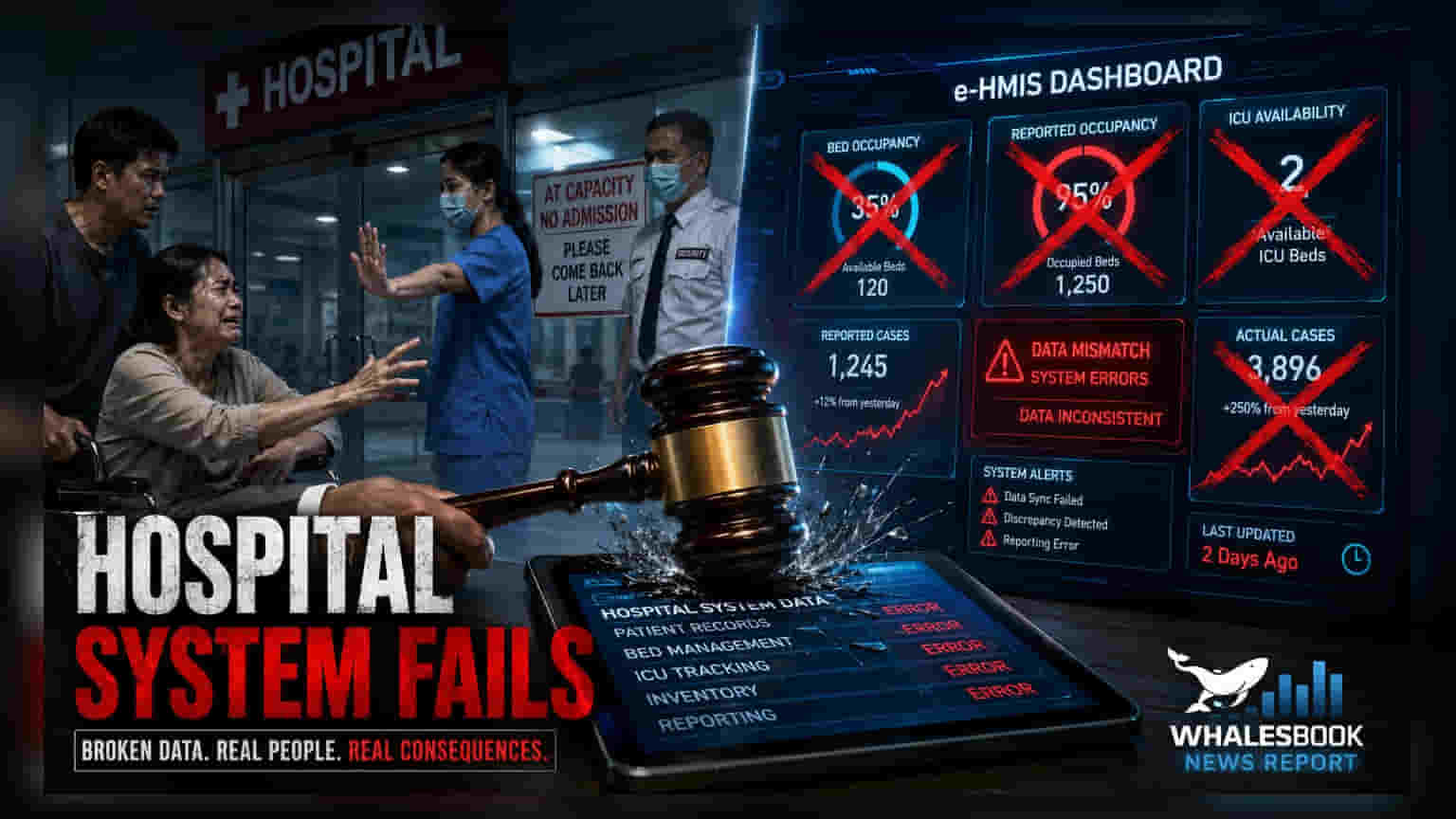
The Delhi High Court has directed the National Informatics Centre to conduct surprise audits of 38 government hospitals. This follows reports that the e-HMIS portal showed ICU beds as available when patients were being turned away. The court also ordered a separate inquiry into over ₹15 crore worth of medical equipment lying unused due to staff shortages.
What Happened
The Delhi High Court has taken a firm stance on digital inefficiencies in the city's public healthcare sector. Following a case where a patient was denied an ICU bed despite the official e-Hospital Management Information System (HMIS) website showing two beds as available, the court has ordered surprise audits of 38 government hospitals. The National Informatics Centre (NIC) has been tasked with verifying the accuracy of the portal's data, including real-time ICU bed status and the responsiveness of hospital help desks. These audits are scheduled to continue through July 31, 2026.
The Digital Gap and Patient Impact
The core issue identified by the court is the disconnect between digital dashboards and ground-level hospital operations. When systems like the NextGen e-HMIS provide inaccurate data, it creates life-threatening delays for patients in urgent need of critical care. The court noted that in the instance involving Lok Nayak Hospital, attempts to contact the facility via the numbers provided on the portal were unsuccessful, pointing to a breakdown in both digital updates and communication channels.
Unused Medical Equipment and Resource Waste
Beyond the portal discrepancies, the court identified a significant misuse of public funds. Investigations revealed that medical machinery valued at over ₹15 crore remains idle across various government facilities. The primary reason cited for this equipment gathering dust is a lack of staff training to operate it. The court has now mandated a separate audit to ensure these expensive assets are put to use for public benefit rather than remaining dormant.
Accountability and Systemic Reforms
To improve coordination, the court has directed the Delhi government to consider implementing a centralized toll-free helpline for emergency inquiries. Furthermore, each hospital will be required to appoint a specific nodal officer responsible for handling inter-hospital referrals, ensuring that patients are not left without options when a specific facility reaches capacity. The government is also required to provide the necessary logistical support and funding for the NIC’s audit team.
What Investors Should Track
While this news primarily concerns the public healthcare administration and governance, it highlights broader systemic challenges in the digitization of Indian healthcare. Investors in the healthcare technology and hospital management sectors may monitor whether these regulatory pressures lead to increased spending on training, software maintenance, and operational accountability. The next important milestones include the findings of the NIC audit report due after July 31 and any subsequent government policy updates regarding hospital staffing and infrastructure maintenance.