

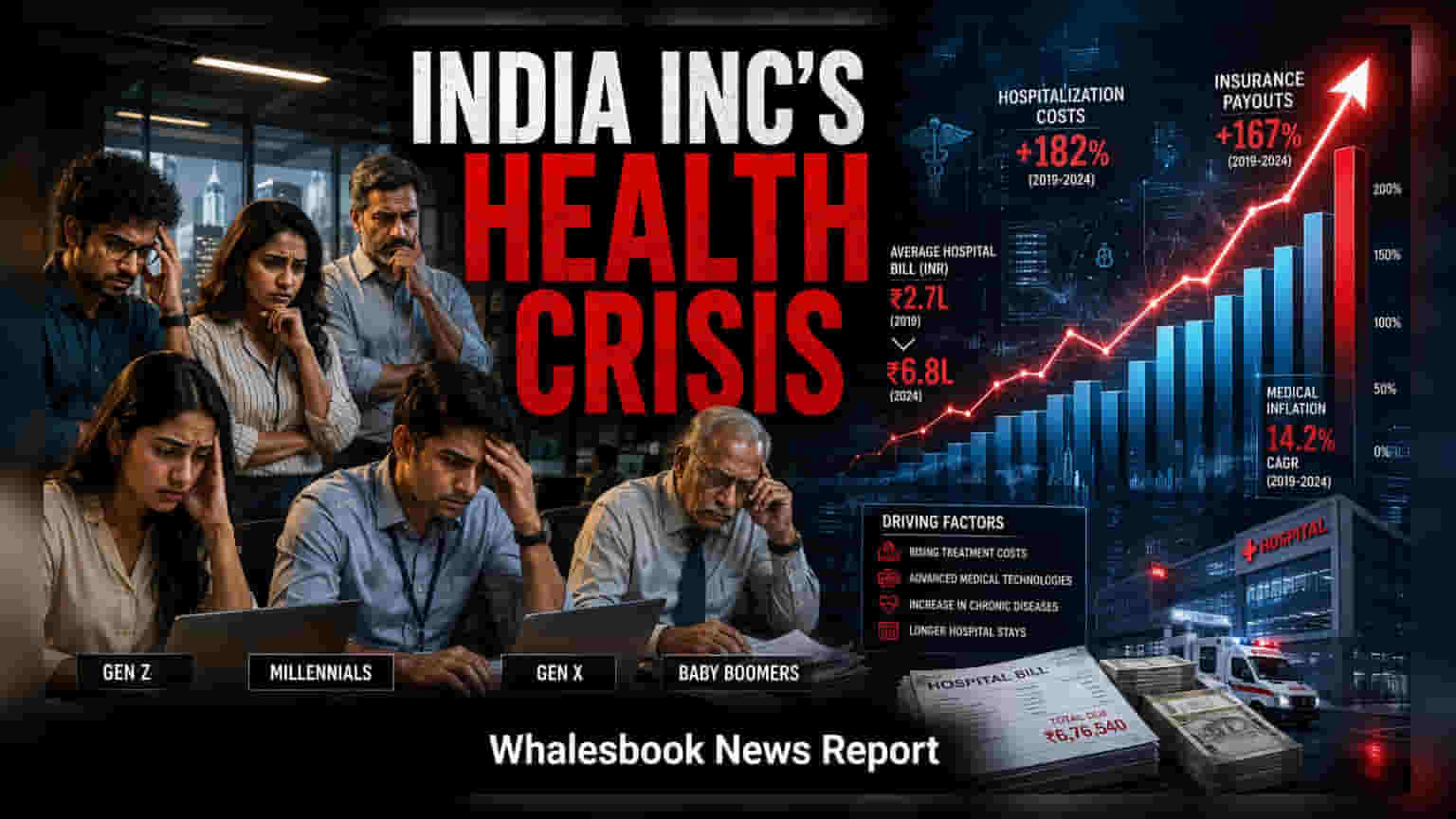
A report by MediBuddy and CII reveals that employees skipping annual check-ups account for 43% of total insurance payouts in India. The study highlights that preventive care can significantly lower hospitalization rates, which currently reach 7.27% for those neglecting health screenings compared to 2.41% for those who participate.
A recent study conducted by digital healthcare provider MediBuddy and the Confederation of Indian Industry (CII) has highlighted a growing financial challenge for Indian companies related to employee health. The report, titled 'Workplace Health Reimagined,' analyzed health data from over 10,500 employees to understand how preventive care habits influence medical costs and workforce productivity.
Impact of Preventive Care on Medical Claims
The data indicates a direct link between regular health monitoring and reduced hospitalization. Employees who completed three annual health check-ups reported a hospitalization rate of 2.41%. In contrast, employees who avoided these screenings altogether faced a hospitalization rate of 7.27%. This difference is critical for businesses, as the 25% of the workforce that skipped check-ups was responsible for 46% of inpatient hospitalization claims and 43% of total insurance payouts. For companies, this suggests that the lack of preventive screening may be a major factor in rising insurance premiums and overall employee wellness expenses.
Barriers to Effective Healthcare Management
Despite the availability of corporate wellness programs, the study found that 52% of employees do not take further action after receiving their health check-up results. This gap is largely attributed to a lack of personalized guidance and timely medical follow-ups. Furthermore, the report identified a significant health burden related to cardiovascular conditions, which accounted for over 20% of pharmacy spending. Notably, the study flagged an increase in sudden cardiac health issues among professionals in the 30 to 40 age group, a trend that could necessitate more focused corporate health interventions.
Health Risks Across Age Groups
The report breaks down health concerns by generation to help companies better tailor their wellness strategies. Gen Z employees, who represent approximately 30% of the workforce, are reporting high levels of anxiety. Millennials, the largest segment of the workforce, are increasingly dealing with burnout and metabolic conditions. Meanwhile, Gen X professionals are navigating unique health transitions while balancing intensive caregiving responsibilities, and Baby Boomers in the workforce require ongoing management for chronic conditions, leading to the highest average medical claims per person.
Future Implications for Corporate Wellness
For investors and corporate leaders, these findings suggest that simple participation in annual health camps may no longer be an adequate metric for success. The focus is shifting toward continuous, AI-driven, and personalized healthcare models to manage long-term productivity and control rising medical costs. The primary monitorable for companies in the coming years will be their ability to transition from reactive treatment to proactive, data-backed wellness programs that directly address the specific needs of a multigenerational workforce.