

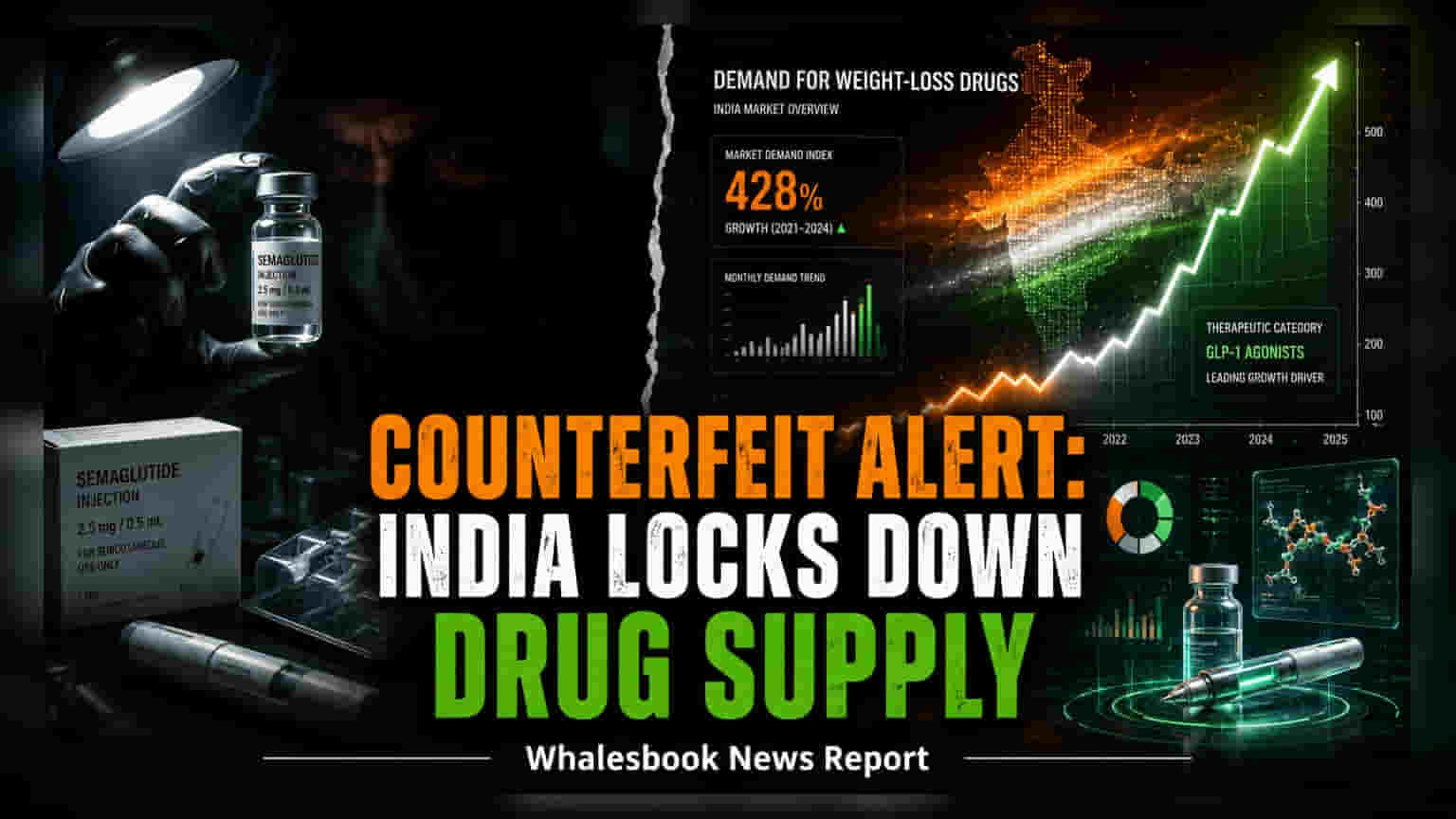
The Central Drugs Standard Control Organization has ordered state regulators to increase surveillance on drug supply chains following an Interpol alert about fake semaglutide batches. This directive aims to protect the market for GLP-1 weight-loss medications as demand continues to rise in India. Investors should note that while this highlights regulatory rigor, the growing sector is also attracting illicit activity.
Detailed Coverage
The Central Drugs Standard Control Organization (CDSCO) has issued a nationwide directive to state drug regulators to strengthen monitoring across pharmaceutical supply chains. This move follows an intelligence report from Interpol, shared through the Central Bureau of Investigation, identifying the circulation of counterfeit semaglutide products. The alert stemmed from investigations in Austria, which traced the falsified medication back to a European manufacturer named Hilma Biocare.
Regulatory Focus and Supply Chain Risks
State inspectors are now required to conduct intensified checks within distribution networks to detect any potential presence of these counterfeit batches. The CDSCO has mandated that all state bodies exercise vigilance under the Drugs & Cosmetics Act, 1940. Any identified falsified products must be reported immediately, with details of subsequent enforcement actions relayed to the central regulator. This step is significant as it directly addresses the security of the distribution pipeline for GLP-1 receptor agonists, a class of drugs gaining immense popularity for managing obesity and diabetes.
Market Context and Past Incidents
The heightened surveillance arrives as India’s pharmaceutical sector sees increased interest in weight-loss drugs. The domestic market for semaglutide is expected to expand considerably, with projections suggesting it could reach $347.5 million by 2035. This growth is supported by the patent expiry of major weight-loss drugs, which has allowed Indian manufacturers to bring more affordable, generic versions to the market.
However, the sector has faced past challenges regarding product authenticity. In a notable incident in Haryana, authorities discovered and seized counterfeit Mounjaro pens with an estimated market value of ₹70 lakh. Investigations revealed that individuals were sourcing raw materials online to assemble and distribute these fraudulent products via e-commerce platforms. Such cases underscore the risks associated with the rapid growth of demand for specialized medications.
Investor Monitorables
The primary monitorable for stakeholders remains the regulatory response and its impact on the distribution efficiency of major Indian pharmaceutical companies producing generic GLP-1 medications. While the government’s proactive stance aims to safeguard public health and formal market channels, investors should track whether stricter compliance requirements increase operational costs or necessitate additional investments in supply chain traceability for these companies. Additionally, the continued ability of domestic firms to capture market share from original patentees—while maintaining strict product safety standards—will be a key factor in the long-term growth of this drug segment.