 Whalesbook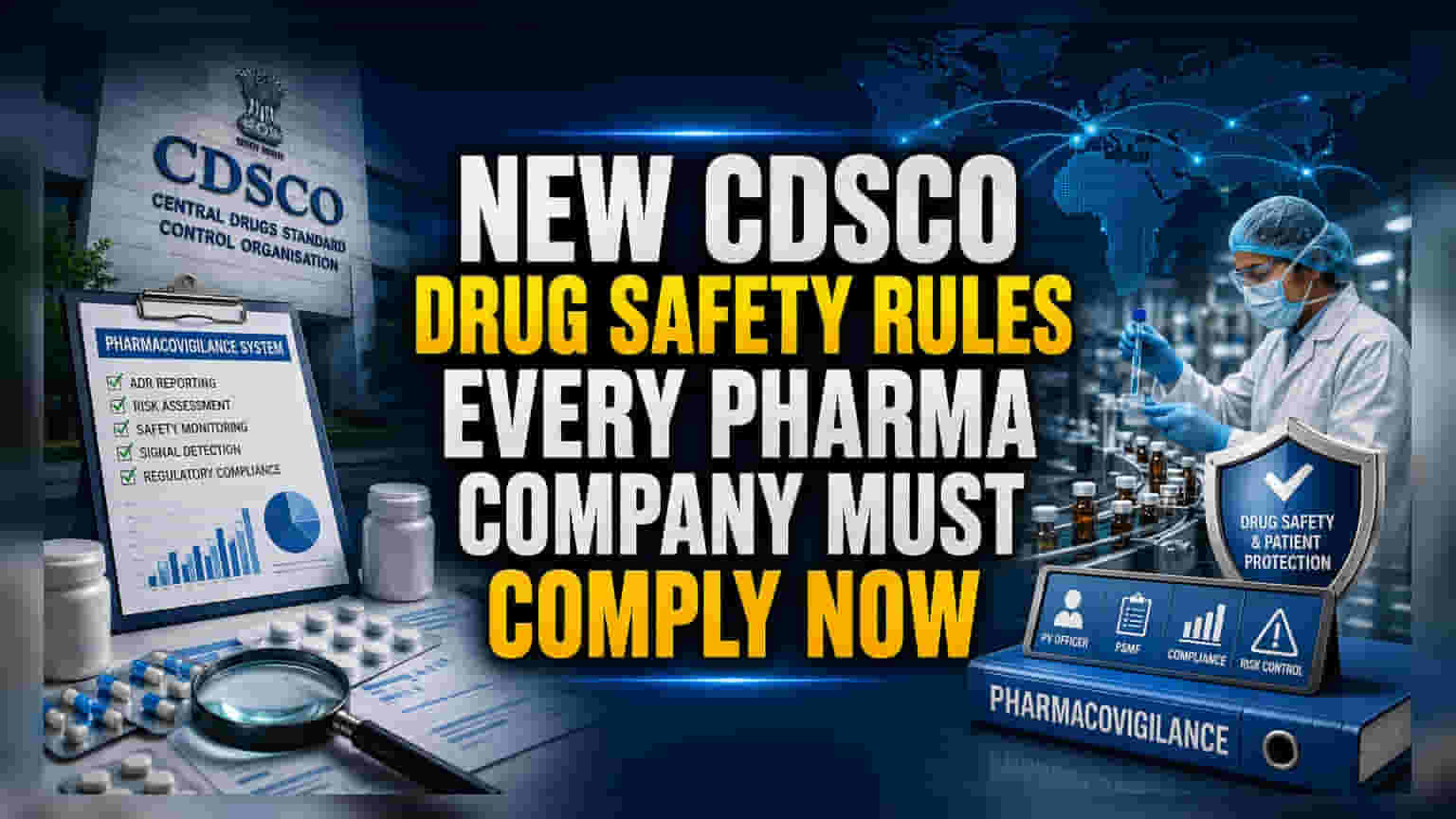


The Regulatory Shift Toward Active Surveillance
The Central Drugs Standard Control Organisation (CDSCO) has finalized a critical directive requiring all pharmaceutical manufacturers, marketers, and importers to establish fully functional pharmacovigilance (PV) systems. This mandate marks a transition from historical passive monitoring to a modern, active safety framework. By grounding this requirement in Para 6.11 of the revised Schedule M of the Drugs and Cosmetics Act, the regulator has effectively made post-marketing drug safety surveillance a mandatory operational baseline rather than an optional corporate activity.
Impact on Market Infrastructure
Companies are now required to appoint qualified PV officers responsible for the systematic collection, evaluation, and timely submission of adverse drug reaction (ADR) reports. This directive is not merely an administrative update but a fundamental realignment with the New Drugs and Clinical Trials (NCT) Rules, 2019. For the industry, this means integrating these reporting protocols into day-to-day operations. The move is a calculated response to persistent international scrutiny regarding the quality and safety standards of Indian generic drug-makers, who currently supply nearly a fifth of the world’s medicines by volume. By enforcing these standards, the CDSCO aims to synchronize India’s domestic safety reporting with the rigorous expectations of global regulators like the US FDA and the EMA.
The Operational Divide
While major pharmaceutical entities have long maintained sophisticated quality management systems (QMS) and can integrate PV mandates with relative ease, the operational burden falls disproportionately on smaller and mid-sized manufacturing units. These firms often lack the dedicated personnel and digital infrastructure required to maintain a Pharmacovigilance System Master File (PSMF) or to handle the intricate documentation of ADRs. Regulatory inspections are expected to intensify, with central and state authorities now tasked with verifying that these PV frameworks are not just present, but actively identifying and mitigating safety signals.
The Forensic Bear Case: Compliance Risks
The most immediate threat to the industry is the risk of license suspension for non-compliance. In the current regulatory environment, CDSCO inspections have become increasingly unannounced and depth-oriented, focusing on how companies investigate deviations and execute corrective and preventive actions (CAPA). Firms that fail to demonstrate real-time tracking of adverse events face significant capital lock-in, as product recalls and remediation efforts can cost several crore in lost output per production line. Furthermore, the reliance on manual processes remains a structural weakness for smaller manufacturers. As the industry faces export headwinds and logistics disruptions in key markets, any additional regulatory friction threatens to weigh on margins and could trigger a wave of consolidation as smaller players struggle to absorb the high recurring costs of stringent quality and safety compliance.