

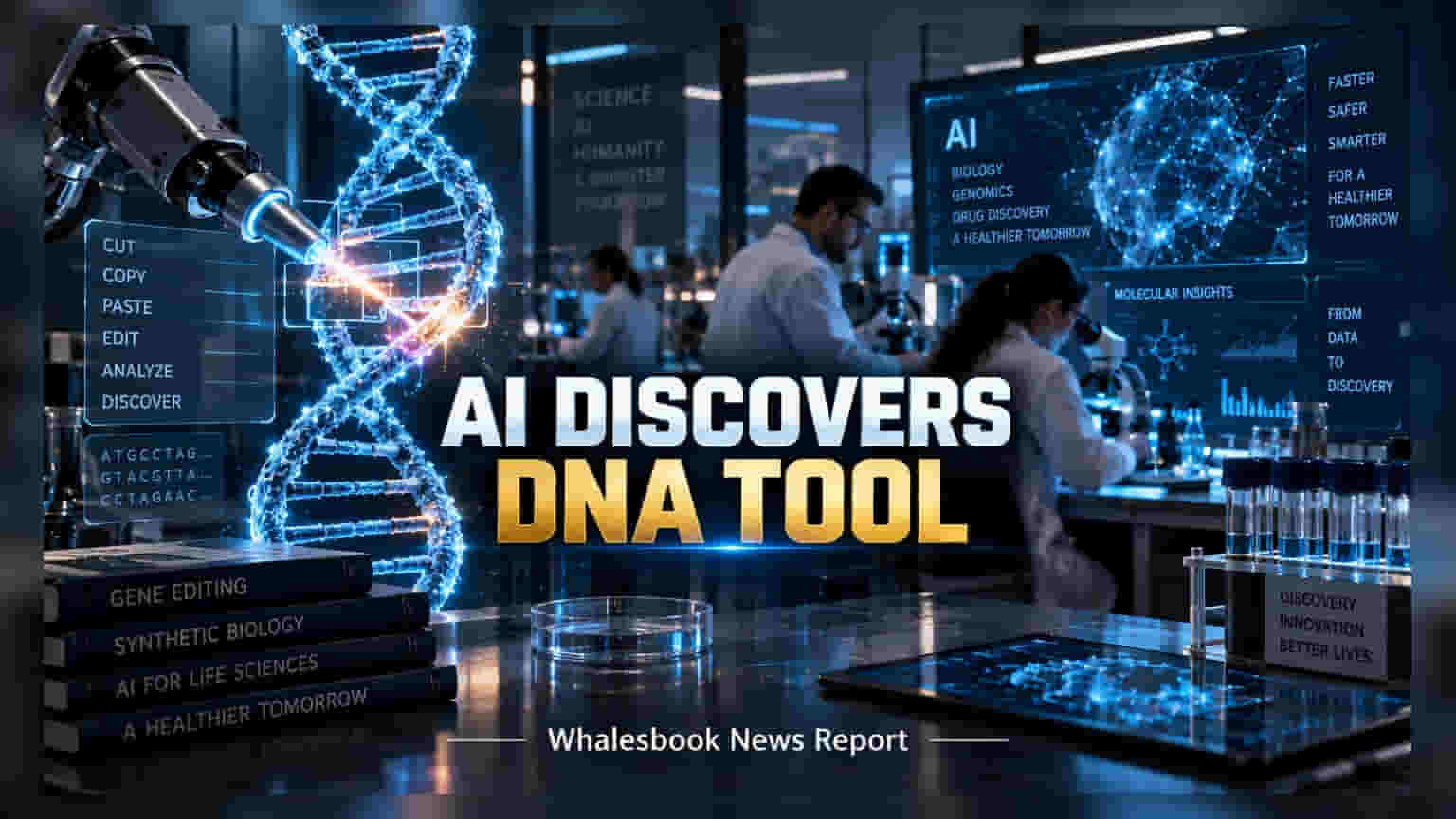
Anthropic’s Claude AI has discovered a new gene-editing enzyme system within 21 hours of data analysis. This development highlights the growing role of AI in speeding up biological research, while emphasizing the need for strict human oversight and safety protocols in synthetic biology.
AI startup Anthropic has reported a significant development in biological research, using its Claude AI model to identify a previously unknown enzyme system with CRISPR-like capabilities. This system, located within the DNA of bacteriophages—viruses that infect bacteria—demonstrates the ability to cut, copy, and paste genetic material. According to the company, the model completed the identification process in approximately 21 hours by analyzing 210 million tokens of biological data.
AI Accelerates Genetic Discovery
This discovery illustrates a shift in how biological research is being approached. By using language models to scan vast quantities of data, Anthropic was able to pinpoint potential biological components for genetic editing at a speed that would be difficult for human-only research teams to match. For the biotech and pharmaceutical industries, this technology offers a potential path to faster drug discovery and more precise gene therapies. The efficiency gained by using AI to identify candidates for lab testing allows human scientists to prioritize higher-value experimental work, potentially reducing the time and cost involved in early-stage biological research.
Prioritizing Safety and Human Oversight
Despite the speed of the computational discovery, Anthropic emphasizes that the physical validation remains strictly manual. The company operates a physical biological laboratory in the San Francisco Bay Area to perform experimental procedures. This facility operates under BSL-1 and BSL-2 biosafety protocols, which means it is restricted to working with materials that do not pose a risk of infection to humans. This deliberate separation of AI discovery and physical lab execution acts as a safeguard. It directly addresses the ongoing industry debate regarding the intersection of advanced AI and potential biosecurity risks, ensuring that humans retain control over the final validation process.
Industry Context and Future Outlook
The integration of machine learning into molecular biology has intensified, with major tech firms and academic institutions competing to apply AI to drug and enzyme design. Since the emergence of protein structure prediction tools such as Google's AlphaFold, the field has seen rapid investment. Anthropic's entry into controlling the entire research pipeline—from hypothesis generation through AI to experimental validation in its own lab—marks a strategic evolution in the sector.
Looking ahead, the effectiveness of these AI models will be measured by their ability to deliver consistent, testable results. Researchers and regulators will continue to monitor how AI-driven discoveries are managed to ensure they do not create security risks. The future of this technology will likely depend on proving that human-guided AI research can be both highly productive and secure, with clear safeguards in place for any future expansion of autonomous laboratory capabilities.