

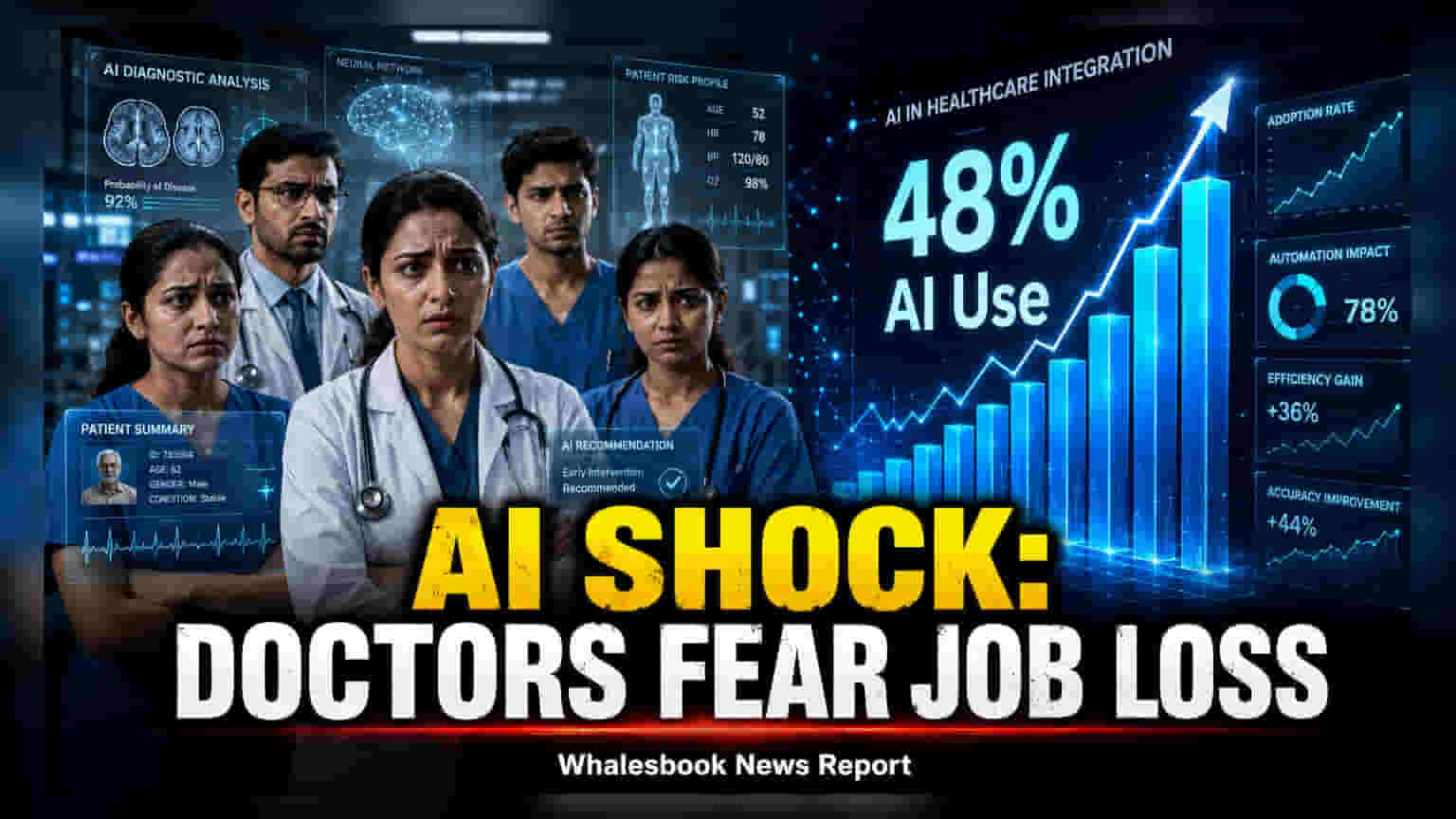
Nearly half of Indian clinicians now use AI tools daily, yet 69% worry about long-term job security. While AI adoption is rising, a significant gap remains in institutional training and governance, impacting how healthcare providers integrate these technologies.
Detailed Coverage
The adoption of artificial intelligence in India’s healthcare sector has seen a rapid shift, with 48% of doctors and clinicians now incorporating AI tools into their professional practice. This represents a significant increase from 26% just one year ago, according to recent data. Despite this rising usage, the integration of new technology is marked by a complex outlook among medical professionals, balancing the desire for better patient outcomes with concerns about the future of their roles.
AI Usage Patterns and Professional Trust
Clinical usage of AI is currently divided between specialized and general applications. While 34% of these users frequently employ healthcare-specific AI tools, a larger 56% still rely on general AI platforms for their day-to-day work. Trust in these systems is generally moderate to high, with 35% of clinicians reporting high levels of confidence in AI-driven insights and 57% expressing moderate trust. This indicates that while doctors are increasingly comfortable using AI as an assistant, there is still caution regarding its reliability in critical decision-making processes.
The Training and Governance Gap
A major hurdle for the broader integration of AI in hospitals and clinics is the disparity in infrastructure and training. Overall, only 45% of surveyed clinicians report receiving adequate AI training. This issue is particularly acute for doctors, with only 18% reporting they have received sufficient education on using these systems, compared to 46% of nurses. Furthermore, there is a clear concern regarding institutional oversight; only 27% of doctors feel their workplaces have established robust AI governance and policies, suggesting that many healthcare organizations are still in the early stages of creating safe frameworks for AI usage.
Future Outlook and Sector Challenges
Looking ahead to 2030, the sentiment toward AI is split between potential benefits and professional risks. Approximately 80% of clinicians believe AI will become an essential partner in healthcare delivery, with high expectations for improved patient management and consultation quality. However, this optimism is tempered by the fact that 69% of practitioners fear that AI-driven automation could lead to job displacement within the next five years.
For investors and sector observers, the focus remains on whether healthcare institutions can bridge the training gap and establish clear ethical policies. If these deficiencies are not addressed, it may lead to slower adoption rates or potential operational errors in clinics. The next phase for the industry will depend on how quickly hospitals invest in specialized AI training programs and whether they can successfully implement standardized governance to manage the transition from human-led to AI-assisted care.