

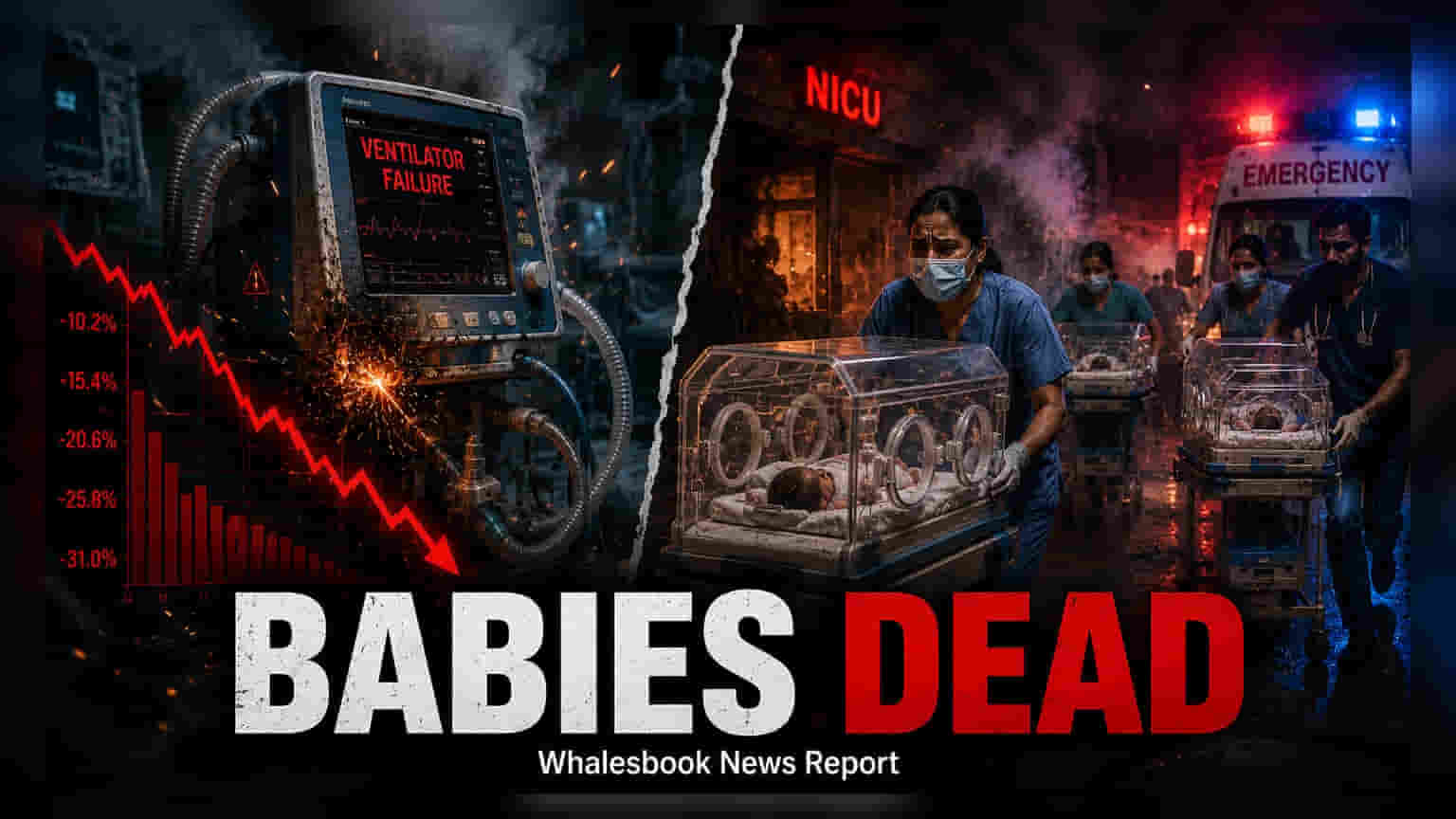
Three newborns lost their lives early Monday after a fire broke out in the Neonatal Intensive Care Unit of the District Women's Hospital in Amravati, Maharashtra. The incident, suspected to be triggered by a ventilator malfunction, forced an emergency evacuation of 39 infants. Local authorities have launched an investigation into the hospital’s safety protocols and equipment maintenance.
A tragic fire incident occurred at the government-run District Women's Hospital in Amravati, Maharashtra, early Monday morning, resulting in the deaths of three newborn infants. The fire began at approximately 3:30 AM within the Neonatal Intensive Care Unit (NICU), a critical area housing infants requiring specialized medical support.
At the time of the incident, there were 39 newborns in the unit. Hospital staff initiated an immediate evacuation as the situation developed, managing to rescue most of the infants. While 33 babies were safely moved to other areas of the facility or to nearby hospitals for further care, three infants could not be saved and succumbed to burn injuries. Six other critically ill infants were transferred to a super-specialty hospital to ensure they continued to receive the necessary medical treatment.
Preliminary reports suggest the fire may have been caused by a short circuit or an explosion originating from a ventilator, a life-support machine used for the newborns. The exact cause is currently under investigation, with the hospital administration and local authorities reviewing equipment logs, electrical systems, and maintenance records to determine how the failure occurred.
As this is a public healthcare facility operated by the government, it is not a publicly traded entity, and the event does not have a direct impact on the stock market. However, such incidents frequently lead to increased scrutiny of public infrastructure, specifically regarding fire safety measures and the maintenance standards of medical equipment in government-run healthcare settings. It is likely that authorities will initiate safety audits across similar state-run facilities to prevent future occurrences.
The key focus for public monitoring will be the findings of the inquiry committee. Updates on the maintenance schedule of the ventilators, the overall fire safety compliance of the hospital building, and any potential policy changes regarding the procurement or replacement of aging medical equipment will be the primary aspects to watch in the coming weeks.