

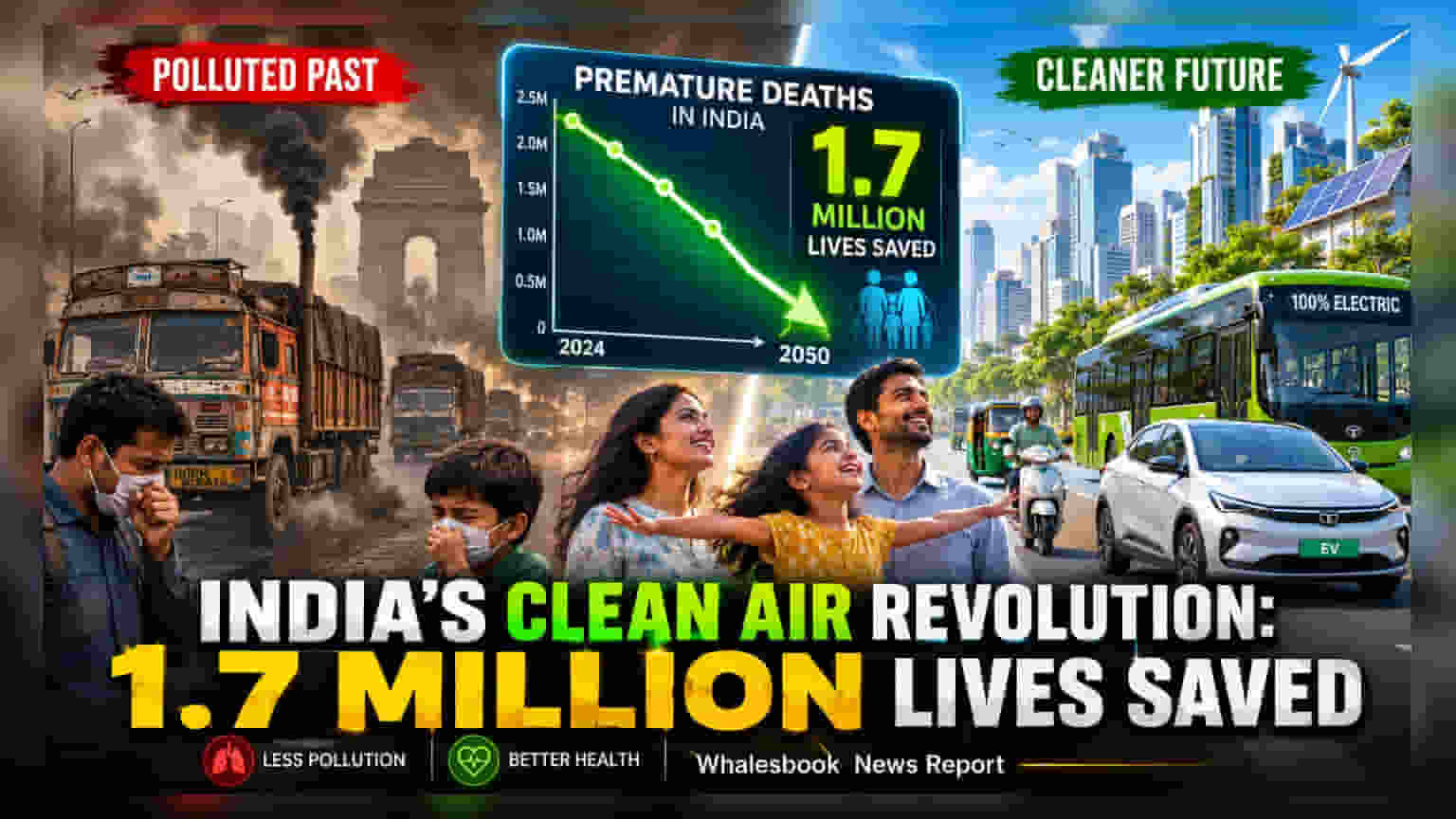
A new research study suggests that transitioning to zero-emission vehicles by 2045 could save 1.7 million lives in India by 2050. Currently, road transport pollution is responsible for 90,000 deaths and 15,300 childhood asthma cases every year. These findings highlight the significant public health potential of India's ongoing shift toward electric mobility.
A shift toward zero-emission transport could lead to massive public health improvements across India over the next two and a half decades. Research indicates that if India reaches a point where all new vehicle sales are zero-emission by 2045, the country could prevent approximately 1.7 million premature deaths by 2050. This transition addresses a major source of urban air pollution that currently contributes to 90,000 deaths and over 15,000 cases of childhood asthma annually.
Impact on Highly Congested Regions
The National Capital Region, specifically Delhi, faces some of the most severe health challenges linked to traffic-related pollution. Despite containing roughly 5% of the country's population, this region accounted for 9% of national premature deaths and 23% of new pediatric asthma cases attributed to road transport in 2024. In many parts of the NCR, nitrogen dioxide levels resulting from road vehicles alone have surpassed the World Health Organization's annual safety guidelines for all pollution sources combined. Furthermore, Delhi's population-weighted exposure to PM2.5 from transport reached 13 micrograms per cubic meter in 2024, which is more than double the WHO's recommended safety limit.
The Role of Heavy-Duty Vehicles
The composition of India's vehicle fleet plays a major role in these pollution levels. Although heavy-duty trucks and buses represent a smaller share of the total vehicle population, their impact on air quality is disproportionately high. In 2024, these heavy vehicles were responsible for 79% of nitrogen oxide emissions and 64% of PM2.5 emissions from the entire road transport sector. Because of these figures, experts from the International Council on Clean Transportation point to electrification as the most effective path to removing tailpipe emissions. The transition strategy involves more than just increasing electric vehicle adoption; it also requires phasing out older, highly polluting vehicles and implementing stricter transport policies nationwide to realize these long-term health goals.